

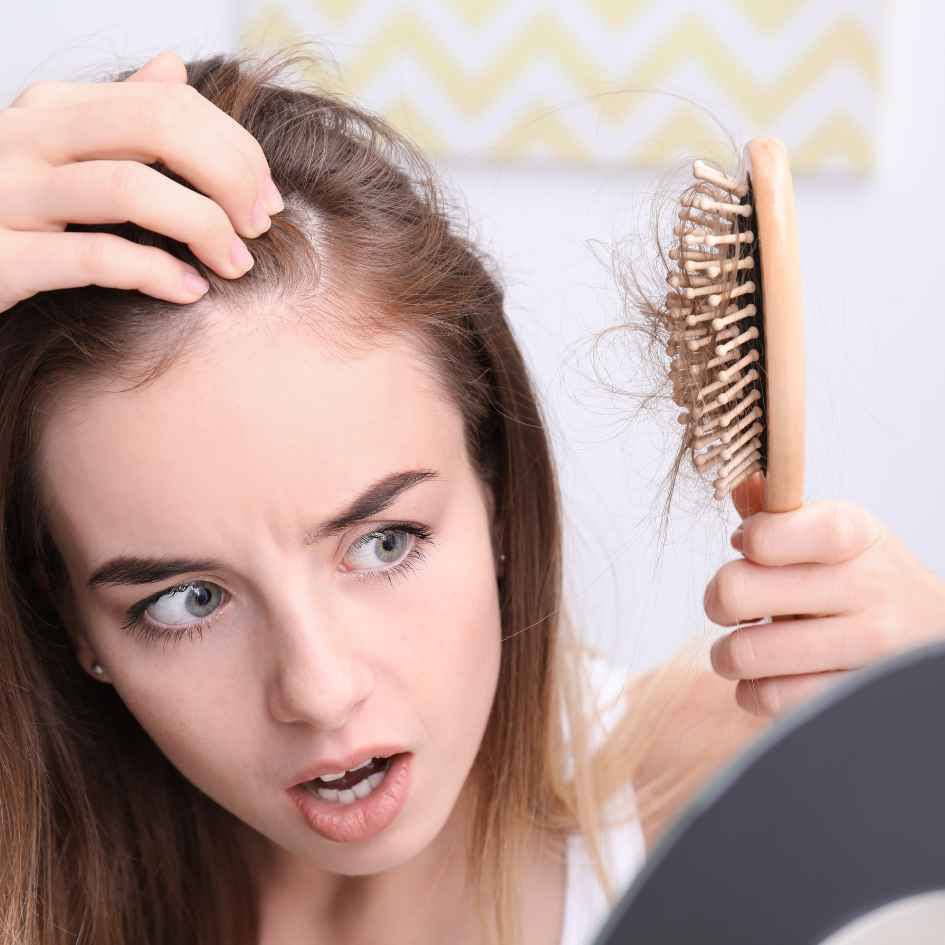
Hair loss is a concern that affects millions of people worldwide, leaving many asking, “why is my hair falling out?” According to a study published in the Journal of Clinical and Diagnostic Research, almost 50% of men and approximately 25% of women experience some form of hair loss by the age of 50. Lots of things cause balding, like genes, hormones, stress, and not eating right.
The American Academy of Dermatology says finding out why is key to fixing it. But with so much info (and not all true), it’s tough to know what’s what. That’s where we come in! This guide will help you understand balding, its causes, myths, and ways to keep your hair healthy and full.
Key Takeaways
- Uncover the causes of balding: genetics, internal imbalances and triggers, hormones & nutrition
- Stress-related hair shedding can be managed with lifestyle changes
- Treatments for age related & hairstyle induced hair loss are available
Understanding Hair Loss: The Hair Growth Cycle

The hair growth cycle is really interesting! It has three stages that all work together to give you more hair.
- Anagen (active growth): During this stage, hair follicles are in full force, producing scalp hair.
- Catagen (transitional): This is a transition phase where hair follicles shrink and disconnect from the dermal papilla. It is not directly related to any specific type of hair loss.
- Telogen (resting/shedding): In this stage, the hair follicle rests and the hair is shed. Excessive hair shedding can occur if a large number of hair follicles enter the Telogen stage simultaneously. This stage usually lasts for 3-4 months.
At first, hair might get thinner because of cycle imbalances. Understanding the growth cycle is essential for determining hair loss reasons. Consequently, effective treatments can be identified. Additionally, taking prompt action can prevent further hair loss. Ultimately, the aim is to restore your hair cycle’s health.
Whether your hair loss is temporary, from your family, or happens suddenly, understanding the hair growth cycle is important.
Female Pattern Hair Loss: Genetics at Play

Female pattern hair loss (FPHL) is common among women. It’s mostly due to genetics, making hair follicles sensitive to male hormones. Unlike men, women’s hair thins all over the scalp, not just in specific areas. Over time, the hair follicles shrink and produce finer, shorter hairs. This causes more hair shedding.
Treatment options for FPHL include hair loss treatment methods such as:
- Minoxidil, a medication specifically designed to promote hair growth
- Incorporating Ayurvedic herbs like Amla, Ashwagandha, Brahmi, and Dashmool into hair oil may help combat hair shedding
- Regular head massages, as they boost blood circulation to the scalp, making hair follicles and strands stronger and healthier.
Reactive Hair Loss: Internal Imbalances and Triggers

Reactive hair loss occurs when balding is caused by internal imbalances or upsets, such as:
- Nutritional deficiencies
- Intense stress
- Crash dieting
- Illness
Sometimes hair falls out a lot every day (telogen effluvium) or suddenly due to alopecia areata, an autoimmune condition. To stop hair loss, fix the reasons. Eat well, handle stress, and get medical help if sick. See a doctor for advice.
Hormonal Influences on Hair Loss

Hormonal imbalances can also wreak havoc on hair growth and follicle health, resulting in hair loss. Some examples include:
- Excessive hair loss in women after giving birth due to a decrease in estrogen levels
- Hair shedding caused by high levels of testosterone and dihydrotestosterone (DHT)
- Imbalances in estrogen and progesterone levels contributing to hair shedding.
Regulating hormonal imbalances is paramount in controlling hair loss triggered by hormonal shifts. Seeking medical advice and treatment for conditions such as polycystic ovary syndrome (PCOS) or thyroid imbalances can help regulate hormone levels and promote healthier hair growth.
Lifestyle changes, including stress management and dietary adjustments, can also support hormone balance and hair health.
Stress-Related Hair Loss
Stress can cause hair loss in many ways. For example, it can raise androgen levels, mess up your eating habits, and upset your stomach. When you’re stressed, your body releases hormones like cortisol, which makes more androgens. This can mess up your hair and make it unhealthy.
In addition, stress can cause changes in eating habits, leading to nutritional deficiencies and hair shedding. Furthermore, stress-induced inflammation can lead to digestive issues like irritable bowel syndrome (IBS) that can contribute to balding.
Keeping stress under check forms an integral part of upholding overall health and warding off hair shedding. Incorporating stress-reduction techniques, such as mindfulness meditation, yoga, and regular exercise, can help alleviate stress and its negative effects on hair growth. Ensuring a balanced diet and addressing any underlying digestive issues can also support overall hair health.
Nutritional Deficiencies and Hair Loss

Nutritional deficiencies, particularly in iron and protein, can lead to hair loss by impacting hair cell protein production and overall hair health. Vitamin B12 deficiency is another common issue, especially among vegans who mainly get B12 from animal proteins. If a nutritional deficiency is suspected to be the cause of your hair shedding, consulting a physician for a blood test and suitable treatment is of utmost importance.
To support hair health and prevent deficiency-related hair loss, ensure a balanced diet rich in essential vitamins and minerals, including:
- Iron
- Vitamin C
- Zinc
- Vitamin D3
- Copper
- Vitamin B12
- Selenium
- The essential amino acids L-Lysine and L-Methionine
Maintaining proper nutrition can promote healthier hair growth and prevent hair shedding caused by nutritional deficiencies.
Thyroid Imbalances and Hair Loss

If you have thyroid issues like hypothyroidism or hyperthyroidism, it can mess up how your hair grows and even cause bald spots. But fixing the thyroid problem can help your hair grow back.
Treatment of thyroid imbalances typically involves:
- Taking medication, such as levothyroxine, to keep thyroid hormone levels in check
- Reducing stress
- Eating a balanced diet to support overall health and thyroid function.
If you think your hair loss is because of a thyroid problem, it’s important to see a doctor for the right diagnosis and treatment.
Age-Related Hair Loss

As we get older, our hair can become thinner. This often happens because of menopause and hormonal changes. Hair follicles make thinner, shorter hairs with each new cycle, which can make hair fall out more.
To help prevent and treat age-related hair loss, it’s important to live a healthy life. Avoid damaging hairstyles and be careful with medications that can make hair fall out. You can also try special creams, laser therapy, or hair transplants. Talk to a doctor to find the best treatment for you.
Traction Alopecia: Hairstyle-Induced Hair Loss

When you wear tight hairstyles like braids or ponytails, it pulls on your hair and can cause problems. This condition is called traction alopecia. It can make your hair thinner and cause bald spots. Plus, if you keep pulling your hair, it could worsen. So, to prevent it, opt for looser hairstyles and handle your hair gently.
Medications and Hair Loss

Certain medications, including those for:
- cancer
- arthritis
- depression
- heart problems
- birth control pills
Sometimes, certain medicines can make your hair fall out, which is called telogen effluvium. So, if you think your medicine is causing this, talk to your doctor. They might suggest trying a different medicine to help fix the problem. Remember, improvement may take time, so be patient. Focus on healthy eating and hair care. Regular check-ups are essential for monitoring progress.
Prevention and Treatment Strategies
Preventing and treating hair loss involves:
- Addressing underlying causes
- Maintaining a healthy diet
- Using supplements
- Practicing gentle hair care
Alright, so let’s break it down. Fixing what’s going on under the hood is key to making hair healthy. If you’re worried, talking to a doctor early is a smart move. So, what’s the deal? Well, changing up your habits can seriously stop hair from falling out. Also, eating well, managing stress, and avoiding harmful hairstyles are important. Plus, it’s good to know there isn’t just one answer for hair loss. So, finding what works for you is key. Finally, seeing a dermatologist or hair specialist regularly gives personalized help.
Debunking Myths
Lots of myths about going bald can make you feel worried or confused. But, hair loss isn’t caused by dirty hair, stress, or hats. Understanding the real reasons for hair loss helps you make better choices for your hair health.
Conclusion
Basically, hair loss is a complex issue with various causes and treatments. Although understanding the factors that contribute to hair shedding, such as genetics, hormonal imbalances, stress, and medications, is essential, it’s only part of the solution. Accordingly, by addressing the root causes and incorporating a healthy lifestyle, you can pave the way for a healthier, fuller head of hair.
Frequently Asked Questions
Why is so much of my hair falling out?
Hair loss has many causes. First, genetics play a big role. Hormonal changes also affect hair. Medical issues can make it worse. Poor nutrition can hurt hair too. If you’re losing hair, see a doctor. They’ll find the cause and help treat it.
How do I stop my hair from falling out?
Firstly, avoid tight hairstyles and harsh chemicals. Secondly, keep your scalp and hair clean. Also, limit sun exposure for UV protection. Moreover, eat a healthy diet for hair health. Additionally, use a mild shampoo and soft brush. Lastly, add protein and vitamins for hair health.
How do you stop your hair thinning?
To keep your hair healthy and thick, wash it often and eat protein-rich foods. After shampooing, use conditioner. Also, avoid smoking. You might also try minoxidil and scalp massages, or consult your doctor for help.
Can stress alone cause hair loss?
No, stress alone cannot cause hair loss, but it can exacerbate existing conditions.
What role do hormones play in hair loss?
Hormonal imbalances can cause Hair shedding, which is seen in cases of pregnancy, menopause and thyroid disorders.
When fighting hair loss, knowing why it happens is important. But that’s just the start. You need good products too. We’ve found the best ones to help you stop hair from falling out.
Don’t miss our next article: Combatting Hair Loss: The 10 Best Products for Fuller Hair Growth where we delve into these top picks, ensuring you’re equipped with the best tools to promote a fuller, healthier head of hair. Stay tuned and empower your hair care journey!




Leave a Reply