

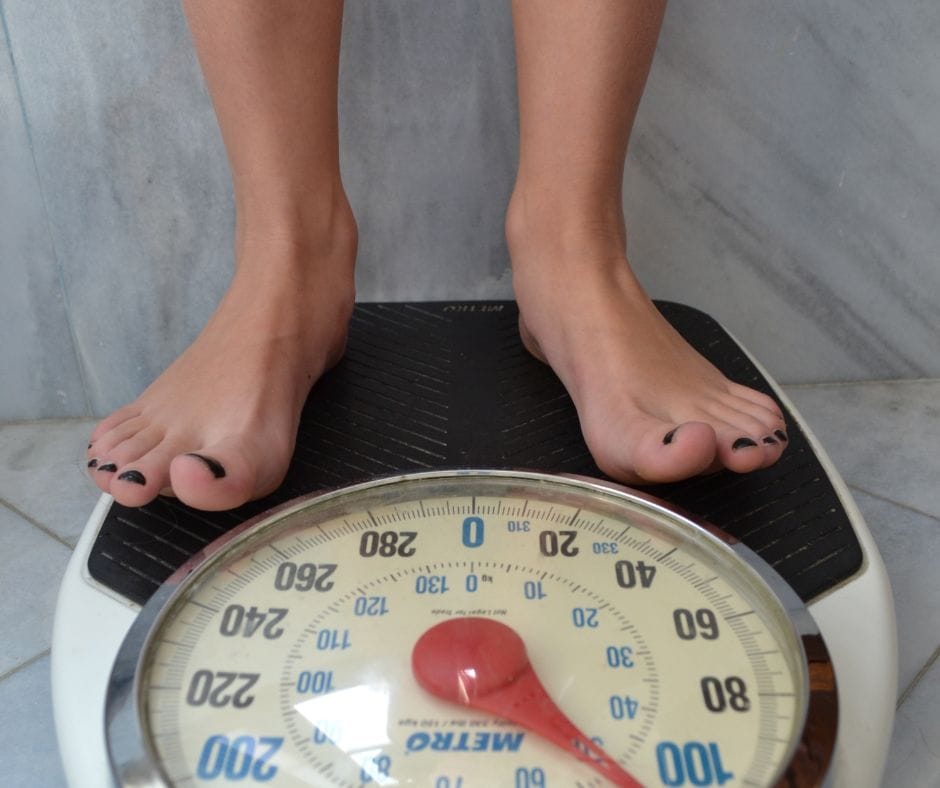
Do you want to know how to lose weight fast without exercise? Here the answer:
Are you tired of spending hours at the gym, sweating it out and not seeing the weight loss results you desire? What if I told you that you could shed those extra pounds quickly and lose weight fast without ever setting foot on a treadmill or lifting a dumbbell? It may sound too good to be true, but in this article, I will reveal effective strategies and techniques that will help you achieve your weight loss goals without exercise.
Research from the National Institutes of Health suggests that modifying dietary habits, including reducing calorie intake and choosing nutrient-dense foods, can lead to significant weight loss without the need for exercise.
By making simple lifestyle changes and following these tips, you can finally get the body you’ve always wanted, and all without breaking a sweat. Say goodbye to tedious workout routines and hello to a slimmer, healthier you.

So, are you ready to uncover the secrets to shedding pounds quickly and losing weight fast, all without exercise? Let’s get started!
Key Takeaways:
- Discover effective strategies to shed pounds quickly without exercise
- Understand the science of weight loss and the role of caloric balance
- Learn practical tips and techniques for losing weight fast without exercise
- Explore the importance of smart eating habits and nutrient-dense foods
- Understand the benefits of mindful eating and hydration in weight loss
Understanding Caloric Balance: The Science of Weight Loss
In the journey of weight loss, it is crucial to understand the science behind it. One of the key concepts you need to grasp is caloric balance. Caloric balance refers to the relationship between the calories consumed through food and beverages and the calories burned through metabolism and physical activity.
To achieve weight loss, it is necessary to create a caloric deficit, which means consuming fewer calories than you burn. This deficit prompts your body to tap into stored fat for energy, resulting in weight loss over time.
The Basics of Caloric Balance
When you consume more calories than you burn, your body stores the excess energy as fat, leading to weight gain. Conversely, when you consume fewer calories than you burn, your body must rely on stored fat to make up for the energy deficit, resulting in weight loss.
Caloric balance is influenced by two main factors: caloric intake and caloric expenditure. Caloric intake refers to the number of calories you consume from food and beverages, while caloric expenditure includes the calories burned through basic metabolic functions (e.g., breathing, circulating blood) and physical activity.
Calculating your caloric balance can be achieved by keeping track of your daily caloric intake and monitoring your physical activity levels. This awareness allows you to make informed decisions about your diet and lifestyle to create the necessary caloric deficit for weight loss.
How to Lose Weight Fast Without Exercise
In this section, I will provide practical tips and strategies to help you lose weight fast without exercise. These methods will focus on healthy eating, lifestyle changes, and other habits that can promote weight loss. By implementing these techniques, you can achieve significant weight loss results without the need for physical activity.
Tip 1: Adopt a balanced and nutritious diet.
To lose weight fast, it’s important to focus on consuming nutrient-rich foods that are low in calories. Incorporate plenty of fruits, vegetables, whole grains, lean proteins, and healthy fats into your meals. Avoid processed foods, sugary snacks, and high-calorie beverages, as they can sabotage your weight loss efforts.
Tip 2: Practice portion control.
Be mindful of your portion sizes to prevent overeating. Use smaller plates and bowls to visually control the amount of food you consume. Pay attention to your body’s hunger and fullness cues, and try to eat slowly and savor each bite. This will help you feel satisfied with smaller portions and prevent unnecessary calorie intake.
Tip 3: Stay hydrated.
Drinking an adequate amount of water throughout the day can support weight loss. Water helps to boost your metabolism, suppress appetite, and promote fat burning. Aim to drink at least 8 glasses of water a day and prioritize water over sugary drinks.
Tip 4: Get enough sleep.
A good night’s sleep is essential for weight management. Lack of sleep can disrupt your hormones, increase appetite, and hinder weight loss efforts. Aim for 7-8 hours of quality sleep per night to support your weight loss goals.
Tip 5: Be mindful of your eating habits.
Practice mindful eating by paying attention to your food and eating experience. Eat slowly, savor each bite, and listen to your body’s hunger and fullness cues. This can help prevent overeating and promote healthier food choices.
By following these tips and strategies, you can lose weight fast without exercise. Remember, sustainable weight loss is achieved through a combination of healthy eating, lifestyle changes, and consistent habits. Implement these techniques and stay committed to your goals for long-term success.
Smart Eating Habits to Kick Start Your Weight Loss Journey
In order to kick start your weight loss journey, it is important to adopt smart eating habits that support your goals. By making conscious choices about the foods you consume, you can fuel your body with the nutrients it needs while keeping your calorie intake in check. Incorporating nutrient-dense foods, protein, and fiber into your diet are key factors in successful weight management.
Nutrient-Dense Foods to Fuel Your Body
One of the fundamental aspects of smart eating habits is choosing nutrient-dense foods. These are foods that provide a high concentration of essential nutrients while being relatively low in calories. Filling your plate with nutrient-dense options such as fruits, vegetables, whole grains, lean proteins, and healthy fats can help ensure that your body is getting the necessary vitamins, minerals, and antioxidants it needs for optimal functioning.

Protein: The Satiety Macronutrient
Incorporating lean protein into your diet is essential for both tissue repair and effective weight loss, especially when exploring how to lose weight without exercise. By adding lean meats, poultry, fish, eggs, legumes, and dairy products to your meals and snacks, you can enhance satiety and minimize cravings, aiding in preventing overeating. This strategy supports your weight loss efforts by leveraging protein’s role as a key macronutrient for maintaining fullness.
Fiber’s Role in Weight Management
Fiber is a dietary component that plays a vital role in weight management. It adds bulk to your meals, promoting satiety and reducing hunger pangs. High-fiber foods also tend to be lower in calories, making them an excellent choice for weight loss. Incorporate fiber-rich foods such as fruits, vegetables, whole grains, legumes, and nuts into your diet to support your weight management goals.
Benefits of Mindful Eating and How it Aids Weight Loss
Mindful eating is a powerful practice that can have significant benefits for weight loss. By incorporating mindfulness into your eating habits, you can develop a healthier relationship with food and make more mindful choices.
When we practice mindful eating, we pay close attention to our meals, savoring each bite and fully engaging with the sensory experience of eating. By slowing down and being present in the moment, we can better tune into our body’s hunger and fullness cues. This allows us to make more conscious decisions about when and how much to eat, avoiding mindless overeating.
Mindful eating also encourages us to be more attuned to our body’s nutritional needs. By truly savoring each bite, we become aware of the flavors, textures, and satisfaction it brings. This can help us recognize when we are truly hungry versus eating out of habit or emotional reasons.
“Mindful eating teaches us to listen to our bodies and honor its signals. By doing so, we can choose foods that nourish us and support our weight loss goals.”
Another benefit of mindful eating is that it allows us to experience food without judgment or guilt. Instead of labeling foods as “good” or “bad,” we can approach them with curiosity and non-judgment. This helps us cultivate a healthier mindset around food and promotes a balanced approach to eating.
Moreover, practicing mindful eating can amplify our pleasure and contentment with meals, serving as a strategy on how to lose weight without exercise. Engaging completely in the dining experience allows us to appreciate the tastes and textures, enhancing the fulfillment from every morsel. This approach may diminish our craving for additional food, thereby lessening the tendency towards unhealthy snacking or emotional eating.
By practicing mindful eating, we can develop a deeper connection with our bodies and become more attuned to their needs. This can lead to healthier food choices, improved portion control, and a greater overall sense of well-being. Incorporating mindful eating into your weight loss journey can be a powerful tool for long-term success.
Next, let’s explore the importance of hydration in weight loss and how staying properly hydrated can support your weight loss efforts.
Why Hydration is Your Weight Loss Ally
Staying hydrated is essential for overall health and can also support weight loss efforts. Adequate hydration plays a crucial role in maintaining optimal bodily functions and promoting various physiological processes that contribute to weight management.
When it comes to weight loss, hydration can help in several ways:
- Appetite control: Drinking enough water helps control appetite and prevents overeating. Often, our bodies mistake thirst for hunger, leading us to consume unnecessary calories. By staying hydrated, you can differentiate between hunger and thirst signals, reducing the likelihood of unnecessary snacking or overeating.
- Boosting metabolism: Proper hydration supports a healthy metabolism, which is essential for weight loss. Water is involved in various metabolic processes, including the breakdown of fats. When your body is adequately hydrated, it can efficiently process and utilize nutrients, including fats, leading to better weight management.
- Enhancing fat burning: Drinking water can enhance your body’s ability to burn fat. Research suggests that staying hydrated may increase the breakdown of lipids (fat molecules) and promote their conversion into energy. By consuming enough water, you can support your body’s natural fat-burning processes.
Furthermore, water is a calorie-free beverage, making it an excellent choice for hydration during weight loss. Unlike other beverages that may contain added sugars, artificial sweeteners, or unnecessary calories, water provides hydration without adding to your daily caloric intake.
Strategies to Reduce Calorie Intake Without Feeling Deprived
In order to achieve weight loss, reducing calorie intake is a key component. However, many individuals struggle with feeling deprived or hungry while trying to cut back on calories. Fortunately, there are effective strategies that can help you reduce calorie intake without sacrificing satisfaction or feeling deprived.
Choosing Satisfying, Low-Calorie Foods
To lose weight without exercise, focus on consuming satisfying yet low-calorie foods. Opt for nutrient-dense choices to enjoy tasty meals without exceeding your calorie limits. Incorporate fruits, vegetables, lean proteins, whole grains, and healthy fats into your meals. These options offer vital nutrients and keep you feeling full longer, minimizing the chance of overeating.

Decoding Hunger vs. Cravings
Understanding the difference between hunger and cravings is crucial when it comes to managing calorie intake. Hunger is a physiological response that signals the body’s need for fuel, while cravings are often triggered by emotions or external cues. By tuning in to your body’s hunger cues and learning to differentiate between true hunger and cravings, you can make more mindful food choices. Practice eating when you are truly hungry and finding alternative ways to cope with cravings, such as engaging in a hobby or seeking emotional support.
Effective Use of Meal Timing and Planning
Meal timing and planning play a significant role in managing calorie intake and preventing overeating. Aim to eat regular, balanced meals throughout the day to keep your metabolism stable and prevent extreme hunger. Additionally, planning your meals and snacks ahead of time can help you make healthier choices and avoid impulsive, calorie-dense options. Consider meal prepping on weekends or setting aside time each day to plan your meals and snacks. This way, you can ensure that you have satisfying, low-calorie options readily available.
By implementing these strategies, you can successfully reduce calorie intake and support your weight loss goals without feeling deprived or hungry.
Importance of Sleep in Weight Loss
Quality sleep plays a crucial role in overall health and well-being. But did you know that it can also impact your weight loss journey? Adequate sleep is essential for maintaining a healthy metabolism, hormone balance, and appetite regulation, all of which contribute to successful weight loss.
When you don’t get enough sleep, it can hinder your weight loss efforts in several ways. Sleep deprivation disrupts the hormones that control hunger and satiety, leading to increased cravings and a higher likelihood of overeating. It also affects your body’s ability to properly process carbohydrates, leading to imbalances in blood sugar levels.
So, how can you improve your sleep quality to support your weight loss goals? Here are some tips:
- Stick to a consistent sleep schedule by going to bed and waking up at the same time every day, even on weekends.
- Create a relaxing bedtime routine that helps signal to your body that it’s time to wind down. This could include activities such as reading a book, taking a warm bath, or practicing deep breathing exercises.
- Avoid electronic devices, caffeine, and stimulating activities close to bedtime, as they can interfere with sleep quality.
- Create a comfortable sleep environment by keeping your bedroom cool, dark, and quiet. Consider using earplugs, an eye mask, or white noise machines if necessary.
- Engage in regular physical activity during the day, as exercise can promote better sleep. However, avoid exercising too close to bedtime, as it can make it harder to fall asleep.
By prioritizing your sleep and making these changes, you can optimize your weight loss efforts and improve your overall well-being. Remember, a good night’s sleep is not only essential for energy and productivity but also for achieving your weight loss goals.
Managing Stress to Prevent Weight Gain
Stress can have a profound impact on our overall well-being, including our weight. When we are stressed, our bodies release cortisol, a hormone that can lead to weight gain and hinder weight loss efforts. Fortunately, there are effective strategies for managing stress and preventing weight gain.
Firstly, it’s important to prioritize self-care and dedicate time each day to activities that help alleviate stress. This could include practicing meditation, deep breathing exercises, or engaging in activities that bring joy and relaxation.
Additionally, adopting healthy lifestyle habits, such as regular exercise and sufficient sleep, can play a significant role in stress management and weight control. Exercise releases endorphins, our body’s natural stress-fighting chemicals, and can help reduce anxiety and alleviate stress.
Incorporating stress-reducing techniques into our daily routine can also aid in weight management. These techniques may include journaling, listening to soothing music, or seeking support from loved ones.
Lastly, it’s essential to engage in mindful eating practices when managing stress. Emotional eating, often triggered by stress, can lead to weight gain. By being aware of our emotions and practicing mindful eating, we can make healthier food choices and avoid negative patterns related to stress-induced weight gain.
By effectively managing stress, we can prevent weight gain and create a supportive environment for our weight loss goals. Remember to prioritize self-care, engage in stress-reducing activities, and practice mindful eating to maintain a healthy weight and overall well-being.
Implementing Intermittent Fasting for Quick Results
Intermittent fasting is a powerful eating pattern that can help you achieve quick and effective weight loss results. By incorporating periods of fasting into your daily routine, you can optimize your body’s metabolism and promote fat burning. In this section, I will explain the concept of intermittent fasting and provide guidance on how to implement this eating pattern for weight loss.
Intermittent fasting involves alternating periods of eating and fasting, allowing your body to enter a state of ketosis where it burns stored fat for energy. There are several different fasting methods to choose from, depending on your lifestyle and personal preferences. Some popular methods include:
- 16/8 Method: This involves fasting for 16 hours and restricting your eating window to 8 hours each day. You can choose the time frame that works best for you, such as skipping breakfast and starting your eating window later in the day.
- 5:2 Diet: With this method, you eat normally for 5 days of the week and restrict your calorie intake to 500-600 calories on the remaining 2 days. These fasting days should not be consecutive and can be spaced out throughout the week.
- Alternate Day Fasting: This method involves fasting every other day, where you consume little to no calories on fasting days and eat normally on non-fasting days.
Implementing intermittent fasting for weight loss requires discipline and careful planning. It’s important to ensure that you are still consuming enough nutrients and staying hydrated during your eating periods. Additionally, it’s recommended to consult with a healthcare professional or registered dietitian before starting any new eating pattern, especially if you have any underlying health conditions.
Remember, intermittent fasting may not be suitable for everyone, and individual results may vary. It’s crucial to listen to your body and make adjustments as needed. With the right approach, intermittent fasting can be an effective tool for achieving quick weight loss and improving overall health.
How to Lose Weight Fast Without Exercise
In this section, I will provide a comprehensive overview of all the strategies and techniques discussed throughout the article. By following these recommendations, you can achieve your weight loss goals effectively, without the need for exercise.
Throughout the article, we have emphasized the importance of understanding caloric balance and making smart eating habits a priority. By choosing nutrient-dense foods that fuel your body and incorporating protein and fiber into your meals, you can promote satiety and support weight management.
Mindful eating and hydration are also key factors in weight loss. By being present with your meals and drinking enough water, you can make healthier food choices and control your appetite. Additionally, effective strategies to reduce calorie intake without feeling deprived, such as selecting satisfying, low-calorie foods and decoding hunger versus cravings, are important for successful weight loss.
Managing stress, getting quality sleep, and implementing intermittent fasting can further enhance your weight loss journey. By adopting stress management techniques, prioritizing sleep, and utilizing intermittent fasting, you can prevent weight gain and experience quick results.
Finally, I would like to remind you that all of these strategies and techniques can be combined to achieve maximum results. However, it is important to remember that weight loss is a gradual process and requires consistency and dedication. With the right mindset and implementation of these methods, you can lose weight fast without exercise and reach your desired goals.
“Losing weight doesn’t always require exercise. By making smart eating choices, being mindful of your habits, and implementing other effective strategies, you can achieve significant weight loss without hitting the gym.”
Conclusion
In conclusion, achieving weight loss fast without exercise is possible by implementing effective strategies and lifestyle changes. By adopting smart eating habits and consuming nutrient-dense foods, you can fuel your body while keeping calorie intake in check. Protein and fiber play vital roles in satiety and weight management, making them essential components of a weight loss journey.
Mindful eating and staying hydrated are additional tools that can aid in weight loss. By practicing mindful eating, you can make healthier food choices and avoid overeating. Maintaining proper hydration not only supports overall health but also helps control appetite and enhance fat burning.
Reducing calorie intake without feeling deprived is achievable through choosing satisfying, low-calorie foods and effectively managing hunger and cravings. Meal timing and planning can also contribute to weight loss success. Additionally, prioritizing quality sleep and managing stress are crucial in preventing weight gain and supporting your weight loss goals.
Intermittent fasting is a popular method that can lead to quick weight loss results. By implementing different fasting methods, you can effectively utilize this eating pattern for successful weight loss.
By following these recommendations and implementing the discussed methods, you can achieve your weight loss goals without exercise. Remember, it’s essential to seek personalized advice from a healthcare professional before making any significant changes to your diet or lifestyle. Start your journey today and take the first step towards a healthier, slimmer you.
FAQ
Can I lose weight without exercising?
Yes, it is possible to lose weight without exercising. By making certain lifestyle changes and adopting effective weight loss techniques, you can achieve your weight loss goals without stepping foot in a gym.
How does weight loss occur without exercise?
Weight loss occurs when there is a calorie deficit, meaning you consume fewer calories than you burn. By focusing on your diet, making healthier food choices, and implementing strategies to reduce calorie intake, you can achieve weight loss without exercise.
What are some effective weight loss techniques without exercising?
Some effective weight loss techniques without exercising include practicing mindful eating, staying hydrated, reducing calorie intake, getting quality sleep, managing stress, and implementing intermittent fasting.
How does mindful eating aid weight loss?
Mindful eating involves paying attention to every bite and savoring each moment. By being present with your meals and listening to your body’s hunger and fullness cues, you can make healthier food choices and avoid overeating, thus supporting your weight loss efforts.
Why is hydration important for weight loss?
Staying hydrated is crucial for weight loss as it helps control appetite, boosts metabolism, and enhances fat burning. Drinking enough water throughout the day can support your weight loss goals.
How can I reduce calorie intake without feeling deprived?
You can reduce calorie intake without feeling deprived by choosing satisfying, low-calorie foods, understanding the difference between hunger and cravings, and effectively using meal timing and planning to support your weight loss goals.
How does sleep impact weight loss?
Quality sleep is essential for weight loss as it plays a significant role in overall health. Sleep deprivation can hinder weight loss efforts. By improving sleep quality and establishing healthy sleep habits, you can support your weight loss journey.
How does stress affect weight loss?
Stress can contribute to weight gain and hinder weight loss efforts. By effectively managing stress through techniques such as relaxation exercises, meditation, and self-care, you can prevent weight gain and support your weight loss goals.
What is intermittent fasting, and how does it lead to weight loss?
Intermittent fasting is an eating pattern that involves cycling between periods of fasting and eating. It can lead to quick and effective weight loss by promoting calorie restriction and optimizing hormonal balance to boost fat burning.
What are some additional tips for losing weight fast without exercise?
In addition to the strategies mentioned, other tips for losing weight fast without exercise include staying consistent with your healthy eating habits, keeping track of your progress, seeking support from friends or a weight loss community, and staying motivated and committed to your goals.





Leave a Reply