

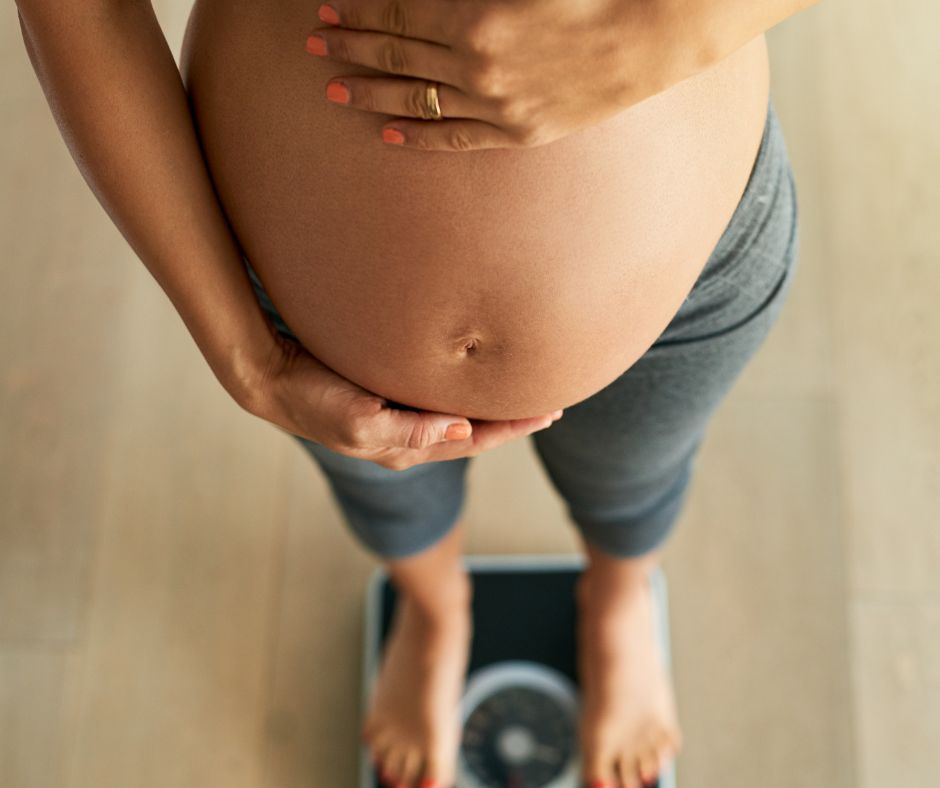
Curious about how to lose weight while pregnant safely? Welcome to our comprehensive guide on safe pregnancy weight loss. If you’re looking for expert advice on how to lose weight while pregnant without compromising your health or the well-being of your baby, you’ve come to the right place. We understand that maintaining a healthy weight during pregnancy is essential, and we’re here to provide you with the guidance and support you need.
Losing weight while pregnant can be a delicate process, and it’s crucial to approach it with caution. Our expert advice will focus on ensuring that your weight loss journey is safe and effective, taking into consideration the unique needs and concerns of pregnant women.
The American College of Obstetricians and Gynecologists recommends a gradual weight loss of 1 to 2 pounds per week post-pregnancy for healthy, long-term outcomes.
From understanding weight gain during pregnancy to consulting with your healthcare provider, nourishing your body with a balanced diet to incorporating safe and effective exercise, we will explore various strategies and tips to help you achieve your weight loss goals without compromising your well-being.
So, let’s embark on this journey together and discover safe pregnancy weight loss tips that will empower you to maintain a healthy weight while nurturing the growth and development of your little one.
Key Takeaways:
- Consult with your healthcare provider before starting any weight loss plan during pregnancy.
- Maintain a balanced diet that includes essential nutrients for both you and your baby.
- Engage in safe and low-impact exercises suitable for pregnant women.
- Practice portion control to manage calorie intake and support gradual weight loss.
- Adopt mindful eating practices to make conscious food choices and avoid overeating.

Understanding Weight Gain During Pregnancy
During pregnancy, weight gain is a natural and necessary part of the journey. It is essential for the healthy development of the baby and to support the mother’s body throughout this transformative time. Understanding the factors contributing to weight gain during pregnancy is crucial for planning a safe and effective weight loss strategy.
Healthy weight gain during pregnancy varies depending on various factors such as pre-pregnancy weight, overall health, and individual circumstances. The American College of Obstetricians and Gynecologists (ACOG) provides guidelines that can help expectant mothers determine their target weight gain range. These guidelines take into account the woman’s body mass index (BMI) before pregnancy.
“Weight gain during pregnancy is not a one-size-fits-all approach. It is important to consult with your healthcare provider to determine the appropriate weight gain range for your specific situation.”
While it is normal to gain weight during pregnancy, excessive weight gain can have negative implications for both the mother and the baby. It can increase the risk of complications during pregnancy, such as gestational diabetes and high blood pressure. It can also make it more challenging for the mother to lose the extra weight after childbirth.
On the other hand, inadequate weight gain during pregnancy can also be problematic, as it may result in poor fetal growth and development. It is crucial to strike a balance by aiming for a healthy weight gain within the recommended range.
Factors Contributing to Weight Gain During Pregnancy
Several factors contribute to weight gain during pregnancy, including:
- Nutrient needs of the growing fetus
- Increased blood volume
- Amniotic fluid
- Enlarged uterus
- Placenta
- Maternal fat stores
These factors all play a role in supporting the growth and development of the baby. While it is essential to gain weight during pregnancy, it is equally important to focus on healthy weight gain to ensure the well-being of both mother and baby.
Next, we will discuss the importance of consulting with your healthcare provider and how they can assist you in creating a safe weight loss plan during pregnancy.
Consulting with Your Healthcare Provider
When considering a weight loss plan during pregnancy, it is crucial to consult with your healthcare provider. They play an essential role in overseeing your pregnancy and ensuring the well-being of both you and your baby. By involving your healthcare provider in your weight loss journey, you can receive personalized guidance and support tailored to your specific needs and circumstances.
An open and honest conversation with your doctor about your desire to lose weight during pregnancy is essential. Together, you can explore safe and effective strategies that prioritize the health of both you and your baby. Your healthcare provider can evaluate your current health and provide individualized recommendations to help you achieve your weight loss goals while maintaining a healthy pregnancy.
During your consultation, your healthcare provider will consider factors such as your pre-pregnancy weight, overall health, medical history, and any potential risks associated with weight loss during pregnancy. They will also take into account any existing conditions or complications that may require modifications to your weight loss plan. This collaborative approach ensures that your weight loss efforts are compatible with the unique needs of your pregnancy.
Your healthcare provider can provide valuable insight into safe and effective strategies for weight loss during pregnancy. They may offer recommendations on nutrition, exercise, and lifestyle modifications that align with your specific health needs. Furthermore, they can help monitor your progress and evaluate any potential impact on your pregnancy or the development of your baby.

Benefits of Consulting with Your Healthcare Provider
- Receive personalized guidance tailored to your specific needs and circumstances.
- Ensure the health and safety of both you and your baby throughout the weight loss journey.
- Obtain expert advice on safe and effective strategies for weight loss during pregnancy.
- Monitor your progress and evaluate any potential impact on your pregnancy or the development of your baby.
“Consulting with your healthcare provider is crucial when embarking on a weight loss journey during pregnancy. Their expertise and guidance will ensure that you approach weight loss in a safe and healthy way, prioritizing the well-being of both you and your baby.”
Nourishing Your Body with a Balanced Diet
During pregnancy, maintaining a balanced diet is essential for both the health of the mother and the development of the baby. A balanced diet for pregnant women should provide the necessary nutrients to support weight loss while ensuring optimal nourishment.
Eating healthy during pregnancy involves consuming a variety of nutrient-rich foods, including fruits, vegetables, whole grains, lean proteins, and low-fat dairy products. These food groups provide essential vitamins, minerals, and fiber necessary for overall well-being.
When it comes to weight loss during pregnancy, it’s important to focus on nutrient-dense foods that offer satiety and support energy levels. Here are some key nutrients to prioritize:
- Protein: Protein is crucial for the growth and development of the baby. Include lean sources such as poultry, fish, legumes, and tofu in your meals.
- Healthy Fats: Incorporate sources of healthy fats, such as avocados, nuts, seeds, and olive oil, which provide essential fatty acids and promote a feeling of fullness.
- Fiber: High-fiber foods like fruits, vegetables, whole grains, and legumes aid digestion, regulate blood sugar levels, and promote satiety.
- Calcium: Dairy products, fortified plant-based milk, and leafy green vegetables are excellent sources of calcium essential for bone health and muscle function.
- Iron: Include iron-rich foods like lean meats, poultry, fish, legumes, and fortified cereals to support red blood cell production.
- Folate: Leafy green vegetables, citrus fruits, beans, and fortified grains provide folate, vital for the baby’s neural tube development.
- Vitamin D: Sources of vitamin D include fortified dairy products, fatty fish, eggs, and sunlight exposure. This vitamin aids in calcium absorption and supports bone health.
Creating a meal plan that incorporates these nutrients is key to a balanced diet during pregnancy. Consulting with a nutritionist or registered dietitian can provide personalized guidance based on individual needs and preferences.
| Nutrient | Recommended Daily Intake | Food Sources |
|---|---|---|
| Protein | 70 grams | Poultry, fish, legumes, tofu, nuts, seeds |
| Healthy Fats | 20-35% of daily calories | Avocados, nuts, seeds, olive oil |
| Fiber | 25-30 grams | Fruits, vegetables, whole grains, legumes |
| Calcium | 1000-1300 milligrams | Dairy products, fortified plant-based milk, leafy green vegetables |
| Iron | 27 milligrams | Lean meats, poultry, fish, legumes, fortified cereals |
| Folate | 600-800 micrograms | Leafy green vegetables, citrus fruits, beans, fortified grains |
| Vitamin D | 600-800 IU | Fortified dairy products, fatty fish, eggs, sunlight exposure |
Remember, achieving a balanced diet during pregnancy is not about restricting calories or food groups, but rather making mindful choices that nourish both the body and the baby. Prioritizing nutrient-dense foods and consulting with a healthcare provider or registered dietitian can help ensure a healthy and safe approach to weight loss during pregnancy.

Safe and Effective Exercise for Pregnant Women
During pregnancy, it’s important to stay active and engage in safe exercises that support your overall health and promote weight loss in a gentle manner. Here, we will provide you with a variety of low-impact workouts that are suitable for pregnant women.
Exercise during pregnancy not only helps in managing weight gain but also offers several benefits, including improved mood, increased energy levels, and better sleep. However, it’s crucial to prioritize safety and choose exercises that are suitable for your stage of pregnancy.
Low-Impact Workouts for Weight Loss
Low-impact exercises are gentle on your joints and reduce the risk of injury, making them ideal for pregnant women. Here are some safe and effective low-impact workouts that can aid in weight loss:
- Walking: A brisk walk is a simple yet effective exercise that can be easily incorporated into your daily routine. It helps burn calories while improving cardiovascular health.
- Swimming: Water workouts are excellent for pregnant women as they provide resistance without putting stress on your joints. Swimming helps tone muscles and burn calories.
- Prenatal Yoga: Yoga is a gentle exercise that promotes flexibility, strength, and relaxation. Prenatal yoga classes are tailored to pregnant women and focus on poses that support the changing needs of your body.
- Prenatal Pilates: Pilates strengthens your core muscles and improves posture. Prenatal Pilates classes are designed to accommodate the changing needs of pregnant women and can be helpful for weight loss.
- Stationary Cycling: Cycling on a stationary bike provides a low-impact cardiovascular workout that helps burn calories. It can be a safe option as it doesn’t put pressure on your joints.
Remember, it’s important to listen to your body and modify exercises as needed. Avoid activities that involve excessive bouncing, twisting, or lying flat on your back, as these can put strain on your abdomen and affect blood flow to the baby.
Always consult with your healthcare provider before starting or continuing any exercise routine during pregnancy, especially if you haven’t been active before. Your healthcare provider can guide you based on your individual circumstances and ensure that the chosen exercises are safe for you and your baby.
By incorporating safe and effective exercises into your daily routine, you can support your weight loss goals during pregnancy while prioritizing your overall well-being.

Managing Weight Through Portion Control
During pregnancy, maintaining a healthy weight is crucial for the well-being of both the mother and the baby. Portion control plays a key role in managing calorie intake and promoting gradual weight loss.
Understanding healthy portion sizes during pregnancy is essential for maintaining a balanced diet and ensuring adequate nutrient intake. By following portion control guidelines, pregnant women can meet their calorie needs while avoiding excessive weight gain.
Importance of Portion Control during Pregnancy
Portion control enables pregnant women to manage their calorie intake effectively. The goal is to consume enough nutrients for the baby’s development without exceeding the recommended calorie limits.
Overeating can lead to excessive weight gain, which may increase the risk of complications during pregnancy and postpartum. On the other hand, inadequate calorie intake can deprive the baby of essential nutrients needed for growth.
By practicing portion control, expectant mothers can strike a balance between providing their bodies with necessary energy and avoiding excessive weight gain.
Strategies for Healthy Portion Control
Implementing strategies for portion control during pregnancy can help maintain a healthy weight. Here are some practical tips:
- Use smaller plates and bowls to visually control portion sizes.
- Fill half your plate with vegetables, one-quarter with protein, and one-quarter with whole grains.
- Avoid eating straight from the package to prevent mindless snacking.
- Listen to your body’s hunger and fullness cues to avoid overeating.
- Stay mindful of portion sizes when eating out or ordering takeout.
Engaging in mindful eating practices can also support portion control during pregnancy. By paying attention to hunger and satiety cues, pregnant women can ensure they consume the right amount of food, without overindulging.
Understanding Calorie Intake for Pregnant Women
While portion control is important, it’s equally crucial to understand the appropriate calorie intake for pregnant women. The calorie needs vary depending on individual factors such as pre-pregnancy weight, activity level, and overall health.
Consulting with a healthcare provider is recommended to determine the ideal calorie intake for a healthy pregnancy. The healthcare provider can offer personalized guidance and ensure that the calorie goals align with the mother’s specific needs.
| Trimester | Calorie Intake Range per Day |
|---|---|
| First Trimester | 1800-2200 calories |
| Second Trimester | 2200-2500 calories |
| Third Trimester | 2400-2800 calories |
Note: These calorie ranges are general recommendations and may vary based on individual circumstances. It’s important to consult with a healthcare provider for personalized calorie guidelines during pregnancy.
By practicing portion control and understanding calorie intake, pregnant women can effectively manage their weight while ensuring the optimal development and health of the baby.
Incorporating Mindful Eating Practices
During pregnancy, cultivating a mindful eating routine can contribute to effective weight loss and overall well-being. Mindful eating involves conscious awareness of your food choices, portion sizes, and eating habits. By developing a mindful approach to nourishing yourself, you can make informed decisions that support your weight loss goals while ensuring optimal nutrition for both you and your baby.
Here are some practical tips to incorporate mindful eating practices into your daily routine:
- Listen to your body: Pay attention to your body’s hunger and fullness cues. Learn to distinguish between physical and emotional hunger, and try to eat when you are genuinely hungry.
- Make mindful food choices: When selecting foods, opt for nutrient-dense options that provide essential vitamins and minerals. Choose whole grains, lean proteins, fresh fruits and vegetables, and healthy fats.
- Savor each bite: Slow down and fully experience the flavors, textures, and aromas of your meals. Chew your food thoroughly and take the time to appreciate the nourishment it provides.
- Engage your senses: Use your senses to enhance your eating experience. Notice the colors, smells, and sounds of your food. Enjoy the vibrant and diverse array of flavors that each bite brings.
- Avoid distractions: Minimize distractions while eating, such as watching TV or using electronic devices. Instead, focus on the meal in front of you and the experience of eating.
“Mindful eating is a powerful practice that allows you to develop a healthier relationship with food and your body,” says Dr. Jane Williams, a registered dietitian and nutritionist specializing in pregnancy nutrition.
“By being present and intentional with your food choices and eating habits, you can nourish your body and support your weight loss goals during pregnancy.”
Additionally, incorporating mindful snacking habits can help prevent overeating. Instead of reaching for unhealthy snacks out of boredom or stress, choose nutrient-rich options like fresh fruit, yogurt, or nuts. Plan your snacks ahead of time and portion them out to avoid mindlessly eating from a large bag or container.
“Mindful snacking is a great way to satisfy cravings and maintain energy levels throughout the day,” advises Dr. Williams. “By choosing healthy snacks mindfully, you can nourish your body and support your weight loss journey.”
By incorporating these mindful eating practices, you can develop a deeper connection with your body, increase your awareness of your nutritional needs, and support your weight loss goals during pregnancy.
Staying Hydrated for Optimal Weight Loss
Proper hydration is crucial during pregnancy, not only for overall health but also for supporting weight loss efforts. Ensuring an adequate water intake can contribute to a more effective weight management plan.
During pregnancy, the body goes through various changes, and staying hydrated becomes even more important. Water helps maintain optimal bodily functions, aids digestion, and supports the transportation of nutrients to both the mother and the baby.

When it comes to hydration during pregnancy, it’s essential to focus on water intake specifically tailored for pregnant women. While individual needs may vary, a general guideline is to aim for around 8-12 cups (64-96 ounces) of water per day. However, it’s always best to consult with your healthcare provider to determine the appropriate water intake based on your specific circumstances.
Staying hydrated not only supports weight loss goals but also helps alleviate common pregnancy discomforts such as constipation and swelling. By drinking enough water, you can maintain proper fluid balance in the body and support your overall health and well-being.
“Staying hydrated during pregnancy is essential for both the mother and the baby. It promotes healthy weight loss and ensures the proper functioning of the body.” – Dr. Sarah Johnson, OB/GYN
In addition to drinking water, you can also incorporate hydrating foods into your diet to boost your overall hydration levels. Foods such as watermelon, cucumber, and citrus fruits are excellent sources of water and can help keep you hydrated throughout the day.
Remember, staying hydrated is a simple yet powerful way to support your weight loss journey during pregnancy. By prioritizing adequate water intake, you can ensure your body functions optimally while working towards your weight loss goals.
Coping with Emotional Eating
Emotional eating during pregnancy can be a common experience for many women. Hormonal changes, stress, and heightened emotions can often lead to cravings and the desire to seek comfort in food. However, managing stress and emotions in a healthy way is crucial for the well-being of both the mother and the baby.
Here are some practical tips and techniques to help you cope with emotional eating during pregnancy:
- Awareness: Recognize and acknowledge your emotions. Understanding the triggers behind emotional eating can help you develop healthier coping mechanisms.
- Alternative Activities: Find activities that provide comfort and relaxation without resorting to food. This can include engaging in hobbies, practicing meditation or deep breathing exercises, reading a book, or taking a soothing bath.
- Seek Support: Reach out to your partner, family, or friends for emotional support. Talking about your feelings can help alleviate stress and provide perspective.
- Journaling: Write down your thoughts and feelings to help process emotions. This can provide you with a sense of release and clarity, without turning to food for comfort.
- Healthy Coping Mechanisms: Explore alternative coping strategies such as listening to calming music, practicing yoga or gentle exercises, or seeking professional help through therapy or counseling.
Remember, it’s important to prioritize self-care and manage stress during pregnancy. By finding healthier ways to cope with emotions, you can maintain a balanced approach to eating and ensure the well-being of both yourself and your baby.
“Emotional eating can be challenging, but with awareness and the right coping strategies, it’s possible to manage stress and emotions in a healthy way.” – Dr. Sarah Anderson, Obstetrician
| Emotional Eating Triggers | Healthy Coping Mechanisms |
|---|---|
| Hormonal changes | Practicing relaxation techniques, such as deep breathing or guided imagery |
| Stress | Engaging in physical activities, such as walking or dancing, to release endorphins |
| Cravings | Finding healthier alternatives for satisfying cravings, such as fruit instead of sweets |
| Loneliness or boredom | Connecting with loved ones through phone calls or virtual meet-ups, or exploring new hobbies or interests |
Prioritizing Self-Care and Rest
When it comes to safe and effective weight loss during pregnancy, self-care and adequate rest play a crucial role. Managing fatigue while pregnant is essential for the overall well-being of both the mother and the baby. By prioritizing self-care and rest, expectant mothers can support their weight management efforts while nurturing their bodies and minds.
Self-Care Strategies for Pregnancy Weight Loss
During pregnancy, taking care of oneself is of utmost importance. Here are some self-care strategies that can aid in weight management:
- Engage in activities that promote relaxation and reduce stress levels, such as prenatal yoga or meditation.
- Indulge in hobbies and activities that bring joy and fulfillment.
- Get regular professional pregnancy massages to relieve muscle tension and improve overall well-being.
- Connect with a support network of fellow expectant mothers to share experiences and seek advice.
The Role of Rest in Managing Fatigue
Fatigue is a common symptom experienced during pregnancy. Managing fatigue is crucial to support weight loss efforts. Here are some tips for managing fatigue while pregnant:
- Ensure you are getting enough sleep by establishing a consistent bedtime routine.
- Take short power naps during the day to recharge and combat fatigue.
- Prioritize rest and relaxation by incorporating regular breaks throughout the day.
- Delegate tasks and seek help from your support system to alleviate physical and mental exhaustion.
Remember, your body is working hard to support the growth and development of your baby. Taking care of yourself and getting enough rest ensures a healthy and balanced approach to weight loss during pregnancy.
| Benefit | How it supports weight management |
|---|---|
| Reduces stress | Lower stress levels can prevent emotional eating and promote healthy choices. |
| Improves overall well-being | Feeling good physically and mentally increases motivation and commitment to weight loss goals. |
| Boosts energy levels | Having sufficient energy supports engagement in physical activities and exercise, aiding in weight loss. |
| Enhances mood | A positive mood can help prevent emotional eating and contribute to a healthy mindset during the weight loss journey. |
Conclusion
Throughout this article, we have explored how to lose weight while pregnant safely via effective strategies for weight loss during pregnancy. It is important to remember that the well-being of both the mother and the baby should always be the top priority when embarking on a weight loss journey while pregnant.
Consulting with a healthcare provider is crucial to ensure that the weight loss efforts are compatible with a healthy pregnancy. Their guidance and expertise will help you create a personalized plan that considers your unique needs and circumstances.
By nourishing your body with a balanced diet, incorporating safe and appropriate exercises, practicing portion control, adopting mindful eating habits, staying hydrated, managing emotional eating, and prioritizing self-care and rest, you can work towards achieving a healthy weight during pregnancy.
Remember, gradual and steady weight loss is the goal, rather than rapid results. Patience and consistency are key, and always listen to your body. By following these recommendations and seeking support from healthcare professionals, you can have a safe and healthy weight loss journey during this precious time.
FAQ
Can I lose weight while pregnant?
Yes, it is possible to safely lose weight while pregnant. However, it is important to consult with your healthcare provider before starting any weight loss plan during pregnancy.
How much weight should I gain during pregnancy?
The recommended weight gain during pregnancy varies based on individual factors such as pre-pregnancy weight and overall health. It is best to consult with your healthcare provider to determine a healthy weight gain range for you.
What should I include in a balanced diet for weight loss during pregnancy?
A balanced diet for weight loss during pregnancy should include nutrient-rich foods such as fruits, vegetables, whole grains, lean proteins, and healthy fats. It is important to focus on nourishing your body with the necessary nutrients while promoting gradual weight loss.
Are there specific exercises that are safe for pregnant women?
Yes, there are safe and effective exercises for pregnant women. Low-impact workouts such as walking, swimming, prenatal yoga, and modified strength training exercises are generally recommended. However, it is crucial to consult with your healthcare provider before starting any exercise routine during pregnancy.
How can I manage portion control during pregnancy?
Managing portion control during pregnancy can be achieved by listening to your body’s hunger and fullness cues, practicing mindful eating, and choosing nutrient-dense foods. It is essential to strike a balance between meeting your energy needs and promoting healthy weight loss.
Is mindful eating important for weight loss during pregnancy?
Yes, mindful eating can support weight loss during pregnancy by promoting awareness of hunger and fullness, making conscious food choices, and avoiding emotional eating. It can help you develop a healthier relationship with food and prevent overeating.
How much water should I drink while pregnant?
Staying hydrated is important during pregnancy for optimal weight loss. The general guideline is to drink at least 8-10 cups (64-80 ounces) of water per day. However, individual water needs may vary, so it is best to consult with your healthcare provider for personalized recommendations.
How can I cope with emotional eating during pregnancy?
Coping with emotional eating during pregnancy can be done through various techniques such as practicing stress management strategies, seeking support from loved ones, engaging in activities that bring you joy, and finding alternative ways to deal with emotions instead of turning to food.
Is self-care important for weight loss during pregnancy?
Yes, prioritizing self-care is crucial for effective weight loss during pregnancy. Taking care of your physical, emotional, and mental well-being can support healthy habits, reduce stress, and promote overall health. Make sure to incorporate self-care activities into your daily routine.




Leave a Reply