


Hello, I’m here to help you conquer frizzy hair and achieve the smooth, manageable locks you’ve always wanted. Whether you’re dealing with occasional frizz or have naturally frizzy hair, I’ve got you covered with some effective tips and tricks to tame and control your mane.
In this article, I’ll walk you through everything you need to know about frizzy hair, from understanding its causes to implementing a daily care routine and choosing the right products. And if you’re looking for professional treatments and solutions, I’ll provide some insights on that as well. By the end of this article, you’ll be equipped with all the necessary information to conquer frizzy hair and enjoy silky smooth locks.

Key Takeaways:
- Understanding the causes of frizzy hair is crucial for effective management.
- Adopting a daily hair care routine designed for frizz control is essential.
- Choosing the right hair products, such as shampoos, conditioners, and styling products, can make a significant difference.
- Professional treatments, like keratin treatments and Brazilian blowouts, offer long-lasting solutions for frizzy hair.
- Seeking professional advice can help you identify the best course of action for your specific frizzy hair concerns.
Understanding Frizzy Hair and Its Causes
In this section, we will delve into the world of frizzy hair and understand its causes. Frizzy hair can be a common and frustrating problem for many people, but with the right knowledge and tools, you can regain control of your mane. Let’s start by defining what exactly frizzy hair is and how it differs from other hair types.
Defining Frizzy Hair
Frizzy hair is characterized by its unruly and uncontrollable nature. It is often dry, coarse, and lacks shine. When frizz occurs, the hair strands become rough and uneven, causing them to stand out and create a frizzy appearance. Frizz can occur to varying degrees in different individuals, but it is generally caused by the same underlying factors.
Common Causes of Frizzy Hair
There are several factors that contribute to frizzy hair:
- Genetics: Some individuals are genetically predisposed to having frizzy hair. If frizz runs in your family, it’s likely that you inherited the tendency for your hair to be prone to frizz.
- Hair Damage: Overexposure to heat styling tools, chemical treatments, and harsh hair products can damage the hair cuticles, making them more prone to frizz. Additionally, excessive brushing or rough towel drying can also contribute to frizz.
- Humidity: Humid weather conditions can cause the hair to absorb moisture from the environment, causing the hair shaft to swell and resulting in frizz. This is particularly common in individuals with naturally porous hair.
- Improper Hair Care: Using the wrong hair care products or not following a proper hair care routine can exacerbate frizz. Lack of moisture, inadequate hydration, and lack of protection from environmental factors can all contribute to frizzy hair.
Weather Impact on Hair Texture
Weather conditions, particularly high humidity levels, can have a significant impact on hair texture and contribute to frizz. When the air is humid, the moisture in the air penetrates the hair shaft, causing it to swell and become frizzy. On the other hand, dry weather conditions can strip the hair of moisture, making it more prone to frizz and flyaways.
To better understand how weather impacts frizzy hair, let’s take a closer look at the role of humidity. High humidity causes the hair to absorb excess moisture from the air, leading to increased water content in the hair shaft. This disrupts the hydrogen bonds that hold the hair fibers together, causing them to swell and become frizzy. Low humidity, on the other hand, can cause the hair to lose moisture, resulting in dry and frizzy strands.

By understanding the causes of frizzy hair and how weather conditions can impact the texture of your hair, you can take proactive steps to manage and control frizz. In the next section, we will discuss a daily hair care routine that can help you conquer frizzy hair.
Daily Hair Care Routine for Frizz Control
Taming frizzy hair can be a daily challenge, but with the right care routine, you can keep your locks smooth and under control. Follow these expert tips and techniques to manage frizz and achieve the hair of your dreams.
1. Choose the right shampoo: Look for shampoos specifically designed for frizzy hair. These formulas are often infused with moisturizing ingredients that help to hydrate and tame unruly strands.

2. Condition, condition, condition: Conditioning is crucial for frizz control. Look for a conditioner that provides deep hydration and helps to smooth the hair cuticles. Apply it to your hair from mid-length to the ends, focusing on the areas that tend to be the driest.

3. Use a leave-in treatment: Leave-in treatments are great for providing ongoing hydration and protection against frizz. They can be used on damp or dry hair and should be applied evenly throughout the hair, avoiding the roots.

4. Incorporate heat protection: Before using heat styling tools, apply a heat protectant spray or serum to shield your hair from damage and minimize frizz. This step is especially important if you regularly use blow dryers, curling irons, or straighteners.
5. Avoid towel drying: Instead of vigorously towel drying your hair, gently squeeze out the excess water using a microfiber towel or an old t-shirt. Rubbing your hair with a towel can create friction and lead to increased frizz.
6. Try a diffuser: When blow drying your hair, attach a diffuser to your blow dryer to help distribute the heat more evenly and minimize frizz. Use a low to medium heat setting and keep the dryer moving constantly.
7. Avoid excessive brushing: Over-brushing can cause breakage and frizz. Instead, use a wide-toothed comb or your fingers to detangle your hair gently. Start from the ends and work your way up to prevent unnecessary tugging.
8. Embrace air-drying: Air-drying is a great way to minimize heat damage and promote natural texture. If you have time, let your hair dry naturally or use a microfiber towel to help absorb excess moisture.
Remember, consistency is key when it comes to frizzy hair care. Stick to this daily routine, use the right products, and give your hair the love it deserves. You’ll be rewarded with smoother, more manageable locks that are frizz-free!

Choosing the Right Frizzy Hair Products

When it comes to taming frizzy hair, using the right hair products can make all the difference. Whether you’re dealing with occasional frizz or have naturally frizzy hair, selecting the best products can help you achieve smoother, more manageable locks. In this section, I’ll guide you through the essential frizzy hair products you need in your hair care arsenal.
The Best Shampoos for Frizzy Hair
Starting your hair care routine off right begins with choosing the best shampoo for frizzy hair. Look for shampoos specifically formulated to target frizz and enhance hair hydration. These shampoos often contain ingredients like argan oil, keratin, or shea butter, which help to nourish and tame frizzy hair. By using the right shampoo, you can lay a solid foundation for frizz-free locks.
Conditioners and Leave-in Treatments
Maintaining moisture is key in controlling frizz, which is why conditioners and leave-in treatments are crucial in your hair care routine. Opt for conditioners designed for frizzy hair, as they provide extra hydration and protection against frizz-causing factors. Additionally, incorporating leave-in treatments can further nourish and moisturize your hair throughout the day, ensuring a smoother, more manageable appearance.
Styling Products to Keep Frizz at Bay
When it comes to styling, using the right products can make a world of difference. Look for serums, oils, or creams that are specifically formulated to combat frizz and provide heat protection. These products help to smooth the hair cuticle and prevent moisture from infiltrating, ultimately reducing frizz and enhancing shine. Additionally, lightweight mousses or gels can provide hold and control without weighing down your hair.
By incorporating the right frizzy hair products into your daily routine, you’ll be well-equipped to manage and control your hair, achieving the smooth, frizz-free locks you desire.
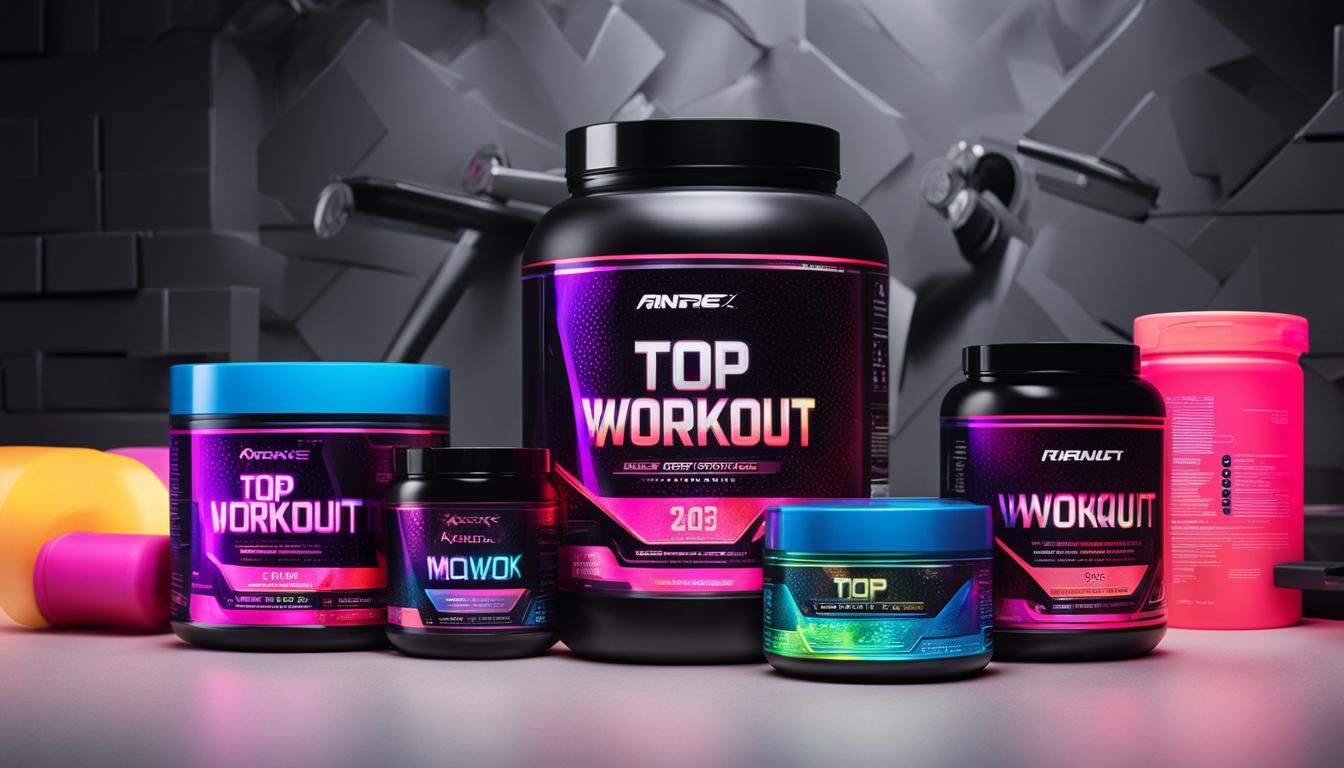
Note: The image above depicts a range of frizzy hair products, including shampoos, conditioners, leave-in treatments, and styling products. This visual representation perfectly complements the subject matter of this section, making it visually appealing and relevant to the topic.
Professional Frizzy Hair Treatments and Solutions
When it comes to battling frizzy hair, sometimes professional treatments and solutions are necessary to achieve the smooth, frizz-free locks you desire. In this section, I will explore some of the options available for managing frizz in a professional salon setting, as well as the pros and cons of chemical treatments. I’ll also provide guidance on when it’s appropriate to seek professional advice for your frizzy hair concerns.
Salon Treatments for Smoother Hair
Sometimes, at-home remedies and products aren’t enough to combat stubborn frizz. That’s when salon treatments come into play. Two popular options for smoother hair are keratin treatments and Brazilian blowouts.
Keratin treatments involve coating the hair with a protein called keratin, which helps to smooth the hair cuticle and reduce frizz. This treatment can transform frizzy, unmanageable hair into sleek, lustrous locks. However, it’s important to note that keratin treatments contain formaldehyde, which some people may be sensitive to.
On the other hand, Brazilian blowouts use a liquid keratin formula that is applied to the hair and sealed with a heat styling tool. This treatment helps to create a protective layer around each strand, combating frizz and adding shine. Brazilian blowouts can be a great option for those looking for long-lasting results.
The Pros and Cons of Chemical Treatments
Chemical treatments, such as keratin treatments and Brazilian blowouts, can be effective in taming frizzy hair. However, it’s important to weigh the pros and cons before deciding whether these treatments are right for you.
Pros:
- Significantly reduces frizz and improves manageability
- Results can last for several months
- Can enhance shine and smoothness
Cons:
- Some treatments contain formaldehyde, which may cause irritation or allergic reactions
- Can be expensive, depending on the salon and treatment
- May require additional maintenance, such as avoiding certain hair care products
When to Consider a Professional’s Advice
If you’ve tried various at-home remedies and products without success, or if you have severe frizzy hair that is difficult to manage, it may be time to seek professional advice. A hairstylist or trichologist can assess your hair’s condition and recommend tailored treatments and solutions.
Additionally, if you’re considering chemical treatments, professional advice is essential. A professional can evaluate your hair’s health and determine if you’re a suitable candidate for these treatments. They can also provide guidance on aftercare and maintenance to prolong the treatment’s effectiveness.
| Treatment | Pros | Cons |
|---|---|---|
| Keratin Treatments | Significantly reduces frizz and improves manageability | May contain formaldehyde; potential for allergic reactions |
| Brazilian Blowouts | Creates a protective layer; long-lasting results | Some formulas may contain formaldehyde |
Remember, professional hair advice is invaluable when it comes to managing frizzy hair effectively. They have the expertise to recommend the right treatments, products, and techniques specific to your hair type and concerns.
By exploring professional frizzy hair treatments and solutions, you’ll be one step closer to achieving the smooth, frizz-free hair of your dreams. Whether you opt for salon treatments or seek professional advice, remember to weigh the pros and cons and choose what works best for you. In the next section, I’ll wrap up the article with some final thoughts and key takeaways.
Conclusion
Throughout this article, we’ve explored various techniques and solutions to conquer frizzy hair and achieve smooth, manageable locks. By understanding the causes of frizzy hair and its impact on different hair types, you are now equipped with the knowledge to tackle this common hair concern.
One of the most important aspects of combating frizzy hair is adopting a daily hair care routine. By following a consistent routine that includes proper washing, conditioning, drying, and styling techniques, you can significantly reduce frizz and maintain healthier hair. Remember to choose the right products that are specifically formulated for frizzy hair, as they can provide the necessary hydration and anti-frizz properties.
In some cases, professional frizzy hair treatments and solutions may be required. Salon treatments like keratin treatments and Brazilian blowouts can provide long-lasting results for smoother, frizz-free hair. However, it’s essential to weigh the pros and cons of chemical treatments before making a decision. Consider seeking professional advice when necessary, as hair experts can provide personalized recommendations and guidance based on your specific hair type and concerns.
By implementing the tips and techniques discussed in this article, you have the power to conquer frizzy hair and embrace your natural beauty. Say goodbye to frizz and hello to confidence as you enjoy silky smooth locks every day. Remember, with the right knowledge and care, you can achieve the hair of your dreams!
FAQ
What is frizzy hair?
Frizzy hair is characterized by a lack of smoothness and flyaways. It can appear dry, unruly, and difficult to manage. Frizz occurs when the hair cuticles lift up, allowing moisture to penetrate the hair shaft and causing it to swell. This leads to an uneven and frizzy texture.
What causes frizzy hair?
Frizzy hair can be caused by various factors. Some common causes include humidity, heat damage from styling tools, excessive brushing or combing, chemical treatments, and using harsh hair products. Certain hair types, such as naturally curly or coarse hair, are also more prone to frizz.
How does weather impact hair texture?
Weather conditions, particularly high humidity, can greatly impact hair texture and contribute to frizz. When the humidity level is high, the moisture in the air is absorbed by the hair, causing it to swell and become frizzy. Conversely, in dry weather, the lack of moisture can make them appear dull and frizzy.
What is a daily hair care routine for frizz control?
To control frizz, it’s important to follow a daily hair care routine. This includes using a gentle shampoo and conditioner specifically formulated. After washing, apply a leave-in conditioner to add moisture and prevent frizz. Avoid using excessive heat when styling and always use a heat protectant. Finish with a serum or oil to tame frizz and add shine.
What are the best products for frizzy hair?
When choosing products for frizzy hair, look for ones that are moisturizing and anti-frizz. For shampoos, opt for those with hydrating ingredients like argan oil or shea butter. Conditioners and leave-in treatments should provide deep hydration and have smoothing properties. Styling products like serums and mousses can help control frizz and add definition to your hair.
Are there professional frizzy hair treatments available?
Yes, there are professional frizzy hair treatments that can help you achieve smoother, frizz-free locks. Some popular salon treatments include keratin treatments and Brazilian blowouts. However, it’s important to note that these treatments often involve the use of chemicals and heat, so it’s essential to consider the potential pros and cons before deciding to undergo them.
When should I seek professional advice for my frizzy hair?
If you’ve tried various at-home remedies and products for frizzy hair without success, or if your frizz is severely impacting your hair’s health and appearance, it may be a good idea to seek professional advice. A hair stylist or trichologist (hair and scalp specialist) can assess your hair condition, provide personalized recommendations, and offer professional treatments suited to your specific needs.
Further Insights from Authoritative Sources: Official Studies and Research on Managing Frizzy Hair
Frizzy hair can be a challenging condition to manage, but various studies have shed light on its causes and potential treatments. Here are some key insights:
- Frizzy hair syndrome is often a result of grooming practices that cause hair damage, leading to sideways growth and tight coiling. Awareness and avoidance of such practices are crucial (Morand, 2011).
- Hair alignment plays a critical role in softness, and treatments like glycylglycine can enhance hair softness by improving alignment and reducing hair fiber modulus (Breakspear et al., 2013).
- Chemical hair straightening, popular for managing frizzy hair, can improve the mechanical properties of hair fibers but needs evaluation for safety and side effects (Sanad et al., 2018).
- Frizz-reducing hair serums, such as those containing dimethicone, target damaged hair cuticles from dyeing, smoothing the hair and reducing frizz (Draelos, 2010).
- Environmental factors like temperature and humidity can influence frizz, particularly in curly hair, by affecting the tactile friction and perception of hair (Skedung et al., 2021).
- Co-washing, or conditioner washing, is a gentle alternative cleansing method for sensitive hair but may lead to residue buildup (Dias, 2018).



Leave a Reply