

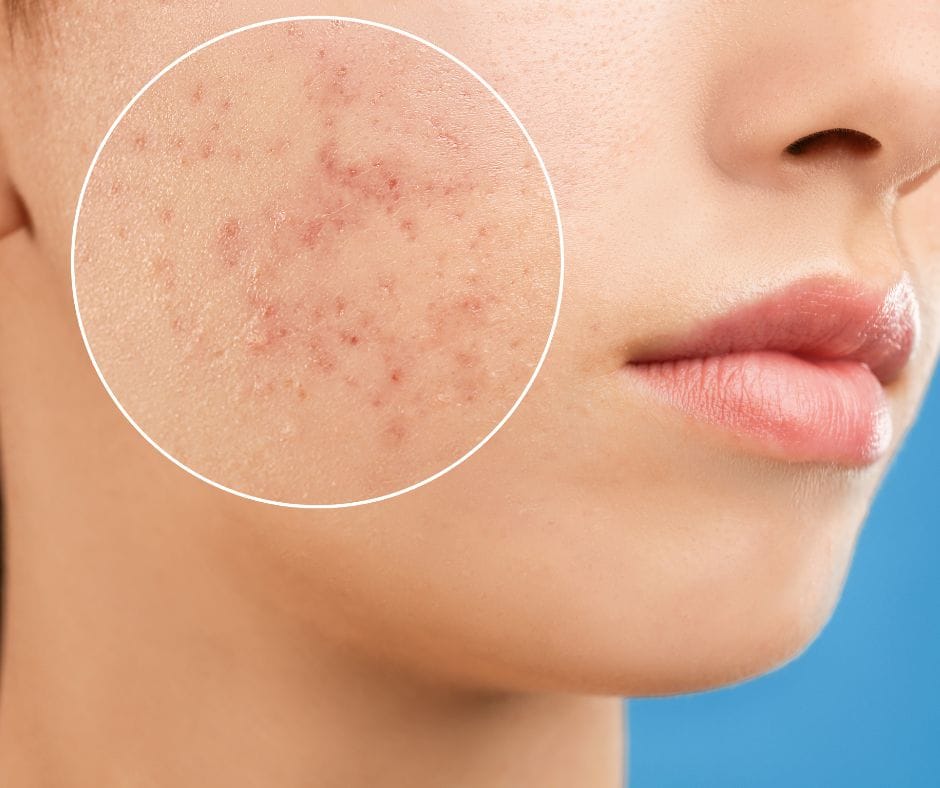
Did you know that acne affects approximately 85% of people between the ages of 12 and 24? It’s a common condition that can cause frustration and take a toll on self-esteem. If you’re tired of trying countless acne treatments with little success, there may be a solution that could finally give you clear skin: spironolactone.

Spironolactone, originally developed to treat high blood pressure, has gained recognition in recent years for its ability to effectively combat hormonal acne. This FDA-approved medication works by targeting the underlying hormonal imbalances and reducing the production of sebum, a major contributor to acne breakouts.
If you’re struggling with hormonal acne and are looking for a reliable treatment option, keep reading to discover how spironolactone can provide the clear skin you’ve been longing for.
Key Takeaways:
- Acne affects approximately 85% of people between the ages of 12 and 24.
- Spironolactone is an FDA-approved medication originally developed to treat high blood pressure.
- Spironolactone effectively targets hormonal imbalances and reduces sebum production, a major contributor to acne breakouts.
Understanding Hormonal Acne and Its Treatments
Acne can be a frustrating and persistent skin condition that affects individuals of all ages. While various factors contribute to acne breakouts, hormonal imbalances play a crucial role in the development of certain types of acne. Understanding hormonal acne and its treatments is essential for effectively managing this skin condition.
Defining Hormonal Acne: The Jawline Indicator
Hormonal acne is a specific type of acne that occurs due to hormonal fluctuations, particularly an increase in androgen levels. Androgens stimulate the glands in the skin to produce excess oil, resulting in clogged pores and inflammation. One common characteristic of hormonal acne is its tendency to appear along the jawline and chin.
Overview of Acne Hormonal Therapy
Acne hormonal therapy involves the use of medications that target hormonal imbalances to manage acne breakouts effectively. It aims to regulate hormone levels and minimize the excess production of sebum, which can contribute to the development of acne. By addressing the root cause of hormonal acne, this therapy offers long-term solutions for achieving clearer skin.
Combating Acne: Birth Control Pills Versus Spironolactone
Two primary treatment options for hormonal acne are birth control pills and spironolactone. Birth control pills contain hormones that can help regulate hormone levels and reduce sebum production. Spironolactone, on the other hand, is a medication that blocks the effects of androgens, thereby reducing oil production and preventing acne formation.
When comparing these two treatment options, it’s important to consider individual needs, medical history, and any potential side effects. Consulting with a healthcare professional is crucial in determining the most suitable treatment approach for hormonal acne.
What Is Spironolactone and How Does It Work?
In this section, we will delve into the details of spironolactone, a medication that holds promising potential for acne treatment. Originally developed as a medication for high blood pressure, spironolactone has been repurposed as an effective solution for acne, particularly hormonal acne.
The Origin and Repurposing of Spironolactone
Spironolactone was initially introduced in the 1950s as a diuretic medication for managing hypertension and edema. However, its unique ability to block the effects of aldosterone, a hormone that contributes to water retention, led to the discovery of its potential benefits for acne treatment.
Spironolactone’s Mechanism of Action
Spironolactone works by targeting the underlying hormonal imbalances that contribute to acne. It acts as an antiandrogen, blocking androgen receptors and inhibiting the effects of androgens, such as testosterone, on the sebaceous glands in the skin. By reducing oil production and minimizing inflammation, spironolactone helps to improve acne symptoms.
The Effectiveness of Spironolactone for Acne
When it comes to finding an effective treatment for acne, spironolactone has emerged as a promising option. Numerous studies and research findings have highlighted the success of spironolactone in improving acne symptoms, making it a valuable solution for individuals struggling with stubborn and persistent breakouts.
One key aspect that sets spironolactone apart as an acne treatment is its ability to target hormonal acne. Hormonal imbalances play a significant role in the development of acne, particularly along the jawline. Spironolactone works by inhibiting androgens, the hormones responsible for stimulating oil production in the skin. By reducing androgens, spironolactone helps to minimize excessive oil production and control acne breakouts.
A number of studies have demonstrated the effectiveness of spironolactone in acne treatment. In one study published in the Journal of Drugs in Dermatology, participants experienced a 50% reduction in acne lesions after 12 weeks of spironolactone treatment. Another study in the International Journal of Women’s Dermatology found that 88% of participants achieved significant improvement in their acne symptoms with spironolactone.
These findings highlight the potential of spironolactone as a solution for acne, particularly for individuals who have not seen desired results with other treatments. Spironolactone can be an effective option for those with hormonal acne, providing noticeable improvements in skin condition and boosting self-confidence.
Although the effectiveness of spironolactone is well-established, it is important to consult a healthcare professional before starting any new acne treatment. They can assess your individual needs, consider any underlying hormonal imbalances, and determine the appropriate dosage of spironolactone for maximum efficacy.
In the next section, we will take a closer look at the treatment process and duration of spironolactone acne treatment, as well as discuss how to assess the right dosage for optimal results.
A Closer Look at Spironolactone Acne Treatment
Spironolactone is an effective acne treatment that targets hormonal imbalances, offering hope to those struggling with persistent breakouts. To better understand the treatment process, it is important to explore the timeframe required for noticeable results and assess the right dosage for maximum efficacy.
The Treatment Process and Duration
Spironolactone works by reducing the production of androgens, the hormones responsible for triggering acne. With consistent use, it helps regulate hormonal imbalances, leading to a reduction in acne breakouts and an improvement in overall skin health.
It is important to note that the treatment process may vary for each individual, depending on factors such as the severity of acne and hormonal imbalances. While some individuals may start seeing improvements within a few weeks, it can take up to three months or longer for others to notice significant changes in their skin. Patience and consistency are key when using spironolactone for acne treatment.
Assessing the Right Dosage for Maximum Efficacy
Determining the right dosage of spironolactone is crucial to ensure maximum efficacy in treating acne. Healthcare professionals will consider various factors, including the individual’s needs, medical history, and the severity of acne. The dosage may also be adjusted based on the individual’s response to the medication.
Starting with a low dosage, typically 50-100mg per day, allows the body to adjust to the medication and minimize potential side effects. Over time, the dosage may be increased if necessary to achieve optimal results. It is important to follow the healthcare professional’s guidance and not self-adjust the dosage without medical supervision.

By understanding the treatment process and assessing the right dosage, individuals can effectively navigate spironolactone acne treatment. It is advisable to consult a healthcare professional to determine the most suitable treatment plan and dosage for their specific acne concerns.
Potential Side Effects of Spironolactone
While spironolactone is an effective treatment for acne, it is important to understand that, like any medication, it can come with potential side effects. Being aware of these side effects and how to manage them can help individuals make informed decisions about their treatment.
Common Side Effects and Management Strategies
Some common side effects of spironolactone include dizziness, drowsiness, and changes in menstrual cycles. It is also worth noting that spironolactone can increase urinary frequency, so individuals may experience more frequent trips to the bathroom. These side effects are typically mild and can be managed with proper care.
Here are some strategies to effectively manage the common side effects of spironolactone:
- Dizziness: If you experience dizziness, try standing up slowly from a seated or lying position. Taking the medication with food can also help reduce dizziness.
- Drowsiness: If you feel excessively drowsy, it is advisable to avoid activities that require high levels of alertness until you adjust to the medication.
- Changes in menstrual cycles: It is not uncommon for spironolactone to affect menstrual cycles. If you notice any changes, it is recommended to discuss them with your healthcare provider.
- Increased urinary frequency: If increased urinary frequency becomes bothersome, try limiting fluid intake before bedtime and emptying your bladder regularly.
Understanding the Risks of Long-Term Use
While spironolactone is generally well-tolerated, long-term use of the medication may come with certain risks. Regular monitoring and medical supervision are crucial to ensure the ongoing safety and effectiveness of the treatment.
Some potential risks associated with long-term spironolactone use include:
- Kidney function changes
- Electrolyte imbalance
- Hormonal imbalances
- Potassium levels
It is essential to discuss any concerns or questions about the risks of long-term spironolactone use with your healthcare provider. They will be able to provide personalized guidance and monitor your progress throughout the treatment.
Real Results: Spironolactone Acne Before and After
In this section, we will explore the real results achieved through spironolactone acne treatment. By examining before and after photos, documented improvements from studies, and personal stories and reviews, we can gain a deeper understanding of the effectiveness of spironolactone in treating acne.
Documented Improvements and Case Studies
Research studies have shown compelling evidence of the positive effects of spironolactone on acne. These studies have documented significant improvements in acne symptoms, including reduced inflammation, fewer breakouts, and improved overall skin appearance. By analyzing these findings, we can see the transformative impact that spironolactone can have on individuals struggling with acne.
“After three months of spironolactone treatment, my skin has never looked better. The cystic acne that plagued me for years has significantly diminished, and I now have clearer and smoother skin. Spironolactone has been a game-changer for me!” – Sarah, 28
Personal stories and case studies provide first-hand accounts of the transformative power of spironolactone for acne. Individuals who have successfully incorporated spironolactone into their skincare routines have shared their journeys, highlighting the positive changes they have experienced. These personal stories offer valuable insights into the effectiveness and impact of spironolactone on different types of acne.
Personal Stories and Spironolactone Acne Reviews
Real-life experiences and reviews from individuals who have used spironolactone can provide a wealth of information and inspiration for those considering this treatment option. These personal stories highlight the varied experiences and results that individuals have achieved with spironolactone. They offer a glimpse into the journey towards clearer skin, providing encouragement and support for those navigating their acne treatment options.
“I had suffered from hormonal acne for years, but spironolactone has been a game-changer for me. Within a few months, my acne cleared up, and my confidence soared. I’m so grateful for finding a solution that finally works!” – Emily, 32
By sharing these personal stories, we hope to inspire and empower individuals who may be seeking an effective treatment for their acne. It is essential to remember that everyone’s experience with spironolactone may vary, and consultation with a healthcare professional is crucial to determine the most suitable treatment approach based on individual needs and medical history.
Continue reading to learn more about the potential of spironolactone for acne and whether it may be the right choice for your skincare journey.

Conclusion
After exploring the potential of spironolactone for acne treatment, it becomes evident that this medication offers a promising solution for individuals dealing with hormonal acne. Throughout this article, we have discussed the effectiveness of spironolactone in achieving clear skin and its unique mechanism of action that targets hormonal imbalances.
However, it is important to note that choosing the right treatment approach for your acne should be done in consultation with a healthcare professional. While spironolactone may be a suitable option for some, it may not be the right choice for everyone. Your healthcare provider can assess your specific needs, severity of acne, and any underlying hormonal imbalances to determine the most appropriate course of action.
In conclusion, spironolactone has shown significant promise as an acne treatment, and many individuals have experienced positive results in their journey towards clear and healthy skin. If you are considering spironolactone, be sure to consult with a healthcare professional to make an informed decision and develop a personalized treatment plan. Remember, achieving clear skin is a process, and with the right guidance and treatment, you can embark on a path to regain your confidence and enjoy the benefits of a blemish-free complexion.
FAQ
What is spironolactone and how does it work?
Spironolactone is a medication originally used for treating high blood pressure. It has also been found to be effective in treating acne, particularly hormonal acne. Spironolactone works by blocking the effects of androgens, which are hormones that can contribute to acne breakouts. By inhibiting androgens, spironolactone helps to reduce oil production and inflammation in the skin, leading to improved acne symptoms.
How effective is spironolactone for treating acne?
It has shown considerable effectiveness in treating acne, especially hormonal acne. Numerous studies and research findings support its use, with many individuals experiencing significant improvements in their acne symptoms. Spironolactone is particularly effective for stubborn and persistent acne that has not responded well to other treatments.
How long does it take for spironolactone to work for acne?
Results can differ for everyone. Some may see acne improvements in weeks, but most need 3 to 6 months of regular use. Stay patient and consult a healthcare professional to find out the best treatment length for you.
What is the recommended dosage of spironolactone for acne?
The dosage of spironolactone for acne treatment can vary depending on individual factors such as the severity of the acne and hormonal imbalances. Generally, the starting dosage is 50 to 100 mg per day, which may be increased or decreased as necessary. It’s crucial to work closely with a healthcare professional to assess the right dosage for maximum efficacy and to monitor any potential side effects.
What are the potential side effects of spironolactone for acne treatment?
It may cause dizziness, fatigue, more urination, menstrual changes, and breast tenderness. These mild effects often improve with time. Rarely, serious issues like high potassium or allergic reactions can occur. If severe side effects happen, seek medical help immediately and keep regular health checks while on spironolactone.
Are there any risks associated with long-term use of spironolactone for acne?
Long-term use of spironolactone for acne treatment may carry certain risks, particularly in individuals with pre-existing conditions such as kidney or liver disease. It’s important to discuss your medical history with a healthcare professional before starting spironolactone and to undergo regular check-ups to ensure its continued safety and efficacy for your specific situation.
Are there any before and after photos or success stories of using spironolactone for acne?
Documented photos and success stories prove spironolactone‘s success in treating acne. These real results highlight its effectiveness as a treatment option.
Is spironolactone the right choice for individuals dealing with acne?
Spironolactone’s effectiveness for acne depends on acne type, severity, hormonal imbalances, and personal health. Always consult a healthcare professional to see if it’s right for you. They can also suggest other treatments if needed.





Leave a Reply