

Do you want to know what the typical foods on a Paleo Diet are? In this article, you’ll find out all you need to know about the Paleo Diet. Did you know that the average American diet consists of over 50% processed foods? With the rise of convenience foods and fast-paced lifestyles, it’s no wonder that obesity rates and chronic diseases are at an all-time high. But what if there was a way to eat that not only promotes weight loss and increased energy levels but also reduces inflammation and improves overall health?
Welcome to the world of the Paleo diet, a way of eating that harkens back to our hunter-gatherer ancestors. According to the Cleveland Clinic, the Paleo diet can effectively promote weight loss and improve health by focusing on single-ingredient foods and eliminating processed items. By eliminating processed foods and focusing on whole, unprocessed foods, the Paleo diet has gained popularity for its numerous health benefits and delicious meal options.
In this article, I will take you on a journey through the typical foods that make up a Paleo diet menu. From lean meats and fish to a colorful array of fruits and vegetables, you’ll discover the key staples that can transform your health and well-being. I’ll also provide you with easy Paleo recipes, meal prep tips, and ideas to help you incorporate the Paleo lifestyle into your daily routine.

Key Takeaways:
- The Paleo diet focuses on whole, unprocessed foods that mimic the diet of our hunter-gatherer ancestors.
- By following the Paleo diet, you can experience weight loss, increased energy, reduced inflammation, improved mental health, and healthier skin, among other benefits.
- Typical foods on a Paleo diet menu include lean meats, fish, eggs, vegetables, fruits, nuts, and seeds.
- Meal prep and planning are key to successfully adopting a Paleo lifestyle.
- With a wide variety of delicious and nutritious recipes, the Paleo diet offers endless possibilities to satisfy your taste buds while nourishing your body.
The Core Principles of the Paleo Diet
When it comes to the Paleo diet, the core principles revolve around adopting a back-to-basics approach to eating. By eliminating processed foods and focusing on whole, natural ingredients, the Paleo diet aims to mimic the eating habits of our hunter-gatherer ancestors. This section will explore the key principles of the Paleo diet and shed light on the health benefits associated with this ancestral eating style.
Whole Foods: Out with the Processed, In with the Natural
One of the fundamental principles of the Paleo diet is the emphasis on whole foods. This means cutting out processed and refined foods and turning to natural sources of nutrition. By choosing whole foods like lean meats, fish, fruits, vegetables, nuts, and seeds, individuals on the Paleo diet can enjoy nutrient-dense meals that nourish their bodies. These whole foods are rich in vitamins, minerals, antioxidants, and fiber, promoting optimal health.
The Ancestral Approach: Mimicking Hunter-Gatherer Eating Habits
The Paleo diet takes inspiration from our ancestors’ eating habits. Eating like early humans—hunter-gatherers—connects us with our past and can boost health. Paleo diet means eating meats, fish, fruits, veggies, nuts, and seeds. Avoid grains, beans, and dairy. This ancestral approach to eating promotes a well-rounded nutrient intake and avoids foods that may cause inflammation or digestive issues.
Health Benefits of Adopting a Paleo Lifestyle
Adopting a Paleo lifestyle offers numerous health benefits. By focusing on whole, natural foods, individuals can experience weight loss, improved digestion, increased energy levels, and reduced inflammation. The Paleo diet’s emphasis on lean proteins, fruits, and vegetables promotes stable blood sugar levels and may reduce the risk of chronic diseases such as heart disease and diabetes. Additionally, the Paleo lifestyle encourages clean eating, which can contribute to healthier skin and improved mental health.
Paleo Diet – A Visual Guide to Foods
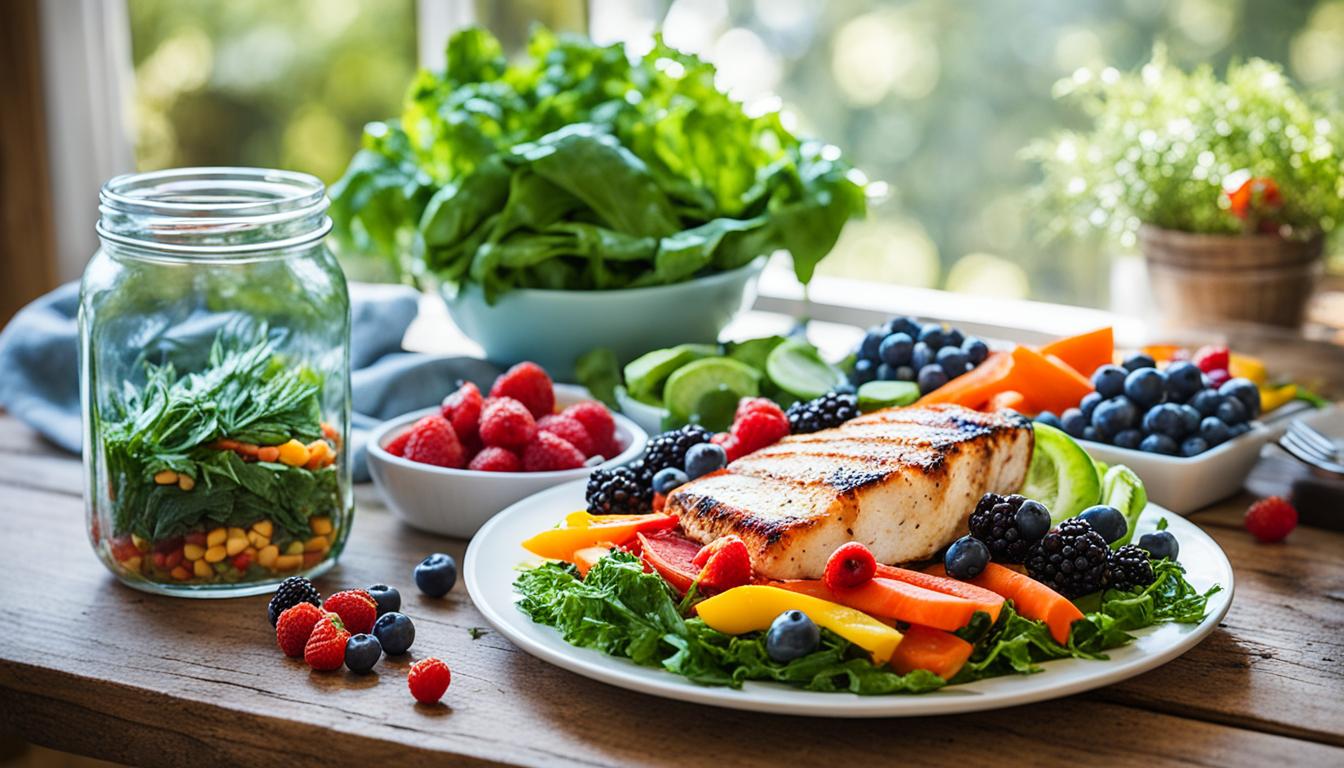
In this section, I will provide you with a visual guide to Paleo foods. By presenting the information in a visual format, you will be able to easily understand and identify the foods that can be included in your Paleo diet menu. Let’s take a look at the various food groups that are allowed on the Paleo diet:
- Lean Meats: Include poultry, pork, beef, and game meats. Opt for grass-fed and organic sources whenever possible.
- Fish: Choose fatty fish like salmon, mackerel, and sardines that are rich in omega-3 fatty acids.
- Eggs: Enjoy eggs from pasture-raised chickens, which are higher in omega-3s and vitamins.
- Vegetables: Fill your plate with a variety of colorful vegetables like leafy greens, broccoli, carrots, and bell peppers.
- Fruits: Embrace the natural sweetness of berries, apples, oranges, and other fruits in moderation.
- Nuts and Seeds: Snack on almonds, walnuts, chia seeds, and flaxseeds for a dose of healthy fats and fiber.
- Healthy Fats and Oils: Use olive oil, coconut oil, and avocado oil for cooking and dressing your meals.
By incorporating these foods into your Paleo diet, you’ll be nourishing your body with nutrient-dense options that support your overall health and well-being.

Typical Foods on a Paleo Diet Menu
In order to create a well-rounded and satisfying Paleo diet menu, it’s important to incorporate a variety of nutrient-dense foods. Here are some typical foods that you can include in your Paleo meals:
Lean Meats, Fish, and Eggs Galore
Protein is an essential component of the Paleo diet, and lean meats, fish, and eggs are excellent sources. Incorporate grass-fed beef, organic chicken, wild-caught salmon, and free-range eggs into your meals to ensure you’re getting an adequate amount of protein.
Root for Tubers: Potatoes, Sweet Potatoes, and More
Tubers such as potatoes and sweet potatoes are fantastic options for adding carbohydrates to your Paleo diet. They provide a steady source of energy and are packed with vitamins and minerals. Try roasting or mashing them for a delicious and filling side dish.
Nuts and Seeds: Snacking the Paleo Way
Nuts and seeds are a great addition to your Paleo diet menu as they are rich in healthy fats, protein, and fiber. Enjoy a handful of almonds, walnuts, or pumpkin seeds as a nutritious snack between meals. You can also add them to salads or incorporate them into homemade granola.
Decoding Healthy Fats and Oils in the Paleo Diet
Healthy fats and oils play a crucial role in the Paleo diet. Opt for fats from natural sources such as avocados, coconut oil, olive oil, and ghee. These fats not only add flavor to your meals but also provide essential nutrients for optimal health.
By incorporating these typical foods into your Paleo diet menu, you’ll be able to enjoy a variety of nutritious and satisfying meals. Experiment with different recipes and ingredients to find your favorite combinations. Remember to customize your diet based on your individual preferences and nutritional needs.
Rediscovering Fruits and Vegetables on the Paleo Plate
Fruits and veggies are key in the Paleo diet, offering vitamins, antioxidants, and fiber. Explore a wide range like berries and leafy greens to boost your meals. Adding these colorful foods not only makes your plate more appealing but also improves your health.
For the best taste and nutrition, choose fresh, seasonal fruits and vegetables. Shopping at farmers’ markets or local stores helps you find the freshest produce. Using these ingredients enhances your meals and supports local farmers.
Paleo recipes
Now, let’s get creative with incorporating fruits and vegetables into your Paleo recipes! You can add a handful of berries to your morning bowl of Paleo-friendly cereal or blend them into a refreshing smoothie. Citrus fruits can be used to add a tangy twist to your dressings or squeezed over grilled meat for a burst of flavor. Leafy greens, such as kale and spinach, are versatile and can be used in salads, sautés, or even blended into a nutrient-packed green smoothie. And who can resist the flavorful cruciferous vegetables like broccoli and cauliflower? Roast them with a sprinkle of your favorite herbs and spices for a delicious side dish.
- Experiment with different fruit and vegetable combinations in your salads to create a variety of flavors and textures.
- Add sliced fruits like apples or pears to your meat dishes for a touch of natural sweetness.
- Get adventurous and try making vegetable noodles using a spiralizer or julienne peeler. Zucchini and sweet potatoes work particularly well.
- Take advantage of seasonal fruits by incorporating them into your desserts. Baked apples or berry crumbles make for a guilt-free indulgence.
- Don’t limit yourself to fresh produce – frozen fruits and vegetables can be just as nutritious and convenient for adding to smoothies or stir-fries.
With so many delicious options available, there’s no shortage of ways to enjoy the bounty of paleo-friendly fruits and vegetables. Embrace their natural flavors, textures, and vibrant colors to create truly nourishing meals that will leave you feeling satisfied and energized.
Eating Like a Caveman: An Anthropological Digest
In this section, we’ll explore the anthropological aspect of the Paleo diet, uncovering the wisdom behind eating like a caveman and the evolutionary benefits of consuming Paleo foods. Let’s delve into the fascinating world of ancestral eating and discover why modern choices with ancient wisdom can lead to a healthier and more fulfilling lifestyle.
What Would a Caveman Do? Making Modern Choices with Ancient Wisdom
The caveman diet, also known as the Paleolithic diet or simply Paleo diet, draws inspiration from our hunter-gatherer ancestors. By understanding how they approached food choices, we can gain valuable insight into making better choices for our own diets. Our ancestors relied on whole, unprocessed foods like lean meats, fruits, vegetables, nuts, and seeds. They had a deep connection with nature and ate foods that were readily available in their surroundings.
In today’s modern world, we can follow their lead by prioritizing whole, unprocessed foods and avoiding processed junk. By incorporating the wisdom of our ancestors, we can make informed choices that nourish our bodies and support our overall well-being.
Examining the Evolutionary Benefits of Paleo Foods
The Paleo diet emphasizes the consumption of nutrient-dense foods that were available to our ancestors. By focusing on Paleo-approved foods, we can tap into a range of evolutionary benefits. These include weight management, reduced inflammation, improved digestion, stable blood sugar levels, increased energy, and even healthier skin.
When we eat like our ancestors did, we align our diet with our genetic makeup, leading to optimal health and well-being. By consuming Paleo foods, rich in proteins, healthy fats, and essential nutrients, we are providing our bodies with the nourishment they need to thrive.
Alternatives and Moderations within Paleo Eating
While following the Paleo diet, it is important to acknowledge that there are certain gray areas and common concerns that individuals may come across. But, you can still tweak the Paleo plan to fit your own food needs and likes. Next, we’ll look at easy changes to make the Paleo diet fit your life while keeping its main ideas.
The Paleo Gray Areas: Dairy, Nightshades, and Beyond
One of the main gray areas in the Paleo diet is the inclusion of dairy. The Paleo diet usually skips dairy due to its inflammation risk and lactose. However, some people might handle certain dairy products well. It is important to listen to your body and make informed choices when it comes to incorporating dairy into your Paleo diet. Consulting with a healthcare professional or registered dietitian can provide guidance and ensure that you are making the right choices for your individual needs.
Another area of concern for some individuals following the Paleo diet is the inclusion of nightshade vegetables. Nightshades, such as tomatoes, peppers, and eggplants, contain compounds that may cause inflammation in some individuals. However, it is important to note that the effect of nightshades can vary from person to person. Think nightshades bother you? Try cutting them out, then slowly add them back to see how they affect your health.
Addressing Common Concerns: Nutrient Deficiencies and Diet Sustainability
Eliminating certain food groups, such as grains and legumes, from the Paleo diet can potentially lead to nutrient deficiencies if not properly managed. It is essential to focus on consuming a wide variety of nutrient-dense foods to ensure that you are meeting your nutritional needs. Incorporating a balance of fruits, vegetables, lean proteins, and healthy fats is key to maintaining a balanced and sustainable Paleo diet. Additionally, considering supplementation and regularly monitoring nutrient levels with the help of a healthcare professional can help mitigate potential deficiencies.
When it comes to sustainability, it is important to find a Paleo diet approach that works for your lifestyle in the long term. This may include making modifications that align with your personal values and preferences. For example, incorporating ethically sourced and sustainable meats, choosing locally grown produce, and supporting environmentally friendly farming practices are all ways to make your Paleo diet more sustainable.
By exploring alternatives and making necessary modifications within the Paleo eating framework, you can personalize the diet to suit your individual needs and preferences. Remember, the key is to focus on consuming whole, unprocessed foods that nourish your body and align with your overall health goals.

Conclusion
As we reach the end of this article on the Paleo diet, I want to leave you with some final thoughts to guide you on your journey. It’s important to remember that the Paleo diet is not a one-size-fits-all approach. Each person is unique, with different needs, preferences, and goals. So, I encourage you to choose a personal path on your Paleo journey.
Make the Paleo diet fit your needs. It’s okay to try things out and change them. See what helps you the most. This could be losing weight or feeling more awake. The great thing about Paleo is its flexibility. You can adjust it to improve your health.
Combining Paleo principles with modern living is the key to long-term success. It’s key to mix Paleo rules with your everyday life for it to work well. Choose options that make Paleo work long-term, so you enjoy its perks without feeling limited or stressed.
So, go ahead and embark on your Paleo journey with confidence. Personalize the diet to suit your needs, incorporate Paleo principles into your modern life, and create a flexible Paleo lifestyle that works for you.
FAQ
What foods are typically included in a Paleo diet menu?
Typical foods on a Paleo diet menu include lean meats, fish, eggs, vegetables (especially tubers), fruits, nuts, and seeds.
Are there any easy Paleo recipes that I can try?
Yes, there are plenty of delicious and easy Paleo recipes available. Some popular options include roasted chicken with vegetables, grilled salmon with avocado salsa, and sweet potato hash with eggs.
Can the Paleo diet help with weight loss?
Yes, the Paleo diet can support weight loss due to its emphasis on whole, unprocessed foods and elimination of processed foods and added sugars. It can help regulate blood sugar levels, reduce inflammation, and promote satiety.
Is the Paleo diet suitable for vegetarians or vegans?
While the Paleo diet primarily focuses on animal-based protein sources, vegetarians and vegans can still adapt the principles of the diet by incorporating plant-based protein sources such as tofu, tempeh, legumes, and nuts and seeds.
Can I snack on the Paleo diet?
Yes, the Paleo diet allows for healthy snacks such as fruits, nuts, seeds, and vegetable sticks with dips like guacamole or hummus. Avoid processed snack foods and opt for whole, unprocessed options.
Can I use protein powder on the Paleo diet?
Yes, there are Paleo-friendly protein powders available. Look for options made from sources such as grass-fed whey protein or plant-based protein sources like pea or hemp protein.
What are the benefits of following a Paleo diet?
The Paleo diet has been associated with various benefits, including weight loss, increased energy levels, reduced inflammation, improved mental health, improved digestion, healthier skin, stable blood sugar levels, and reduced risk of chronic diseases like heart disease, diabetes, and cancer.
How can I plan and prep meals for a Paleo diet?
To plan and prep meals for a Paleo diet, consider batch cooking on weekends, portioning meals into individual containers, and having a well-stocked kitchen with Paleo-friendly ingredients. This will help make meal preparation throughout the week more convenient and efficient.
What are some Paleo breakfast ideas?
Some Paleo breakfast ideas include scrambled eggs with vegetables, a spinach and mushroom omelet, a fruit and nut smoothie with coconut milk, or a vegetable frittata.
What can I eat at snack time on the Paleo diet?
For Paleo-friendly snacks, you can enjoy fruits, nuts, seeds, hard-boiled eggs, kale chips, or homemade protein bars made with natural ingredients.
How does the Paleo diet differ from the ketogenic diet?
While both the Paleo and ketogenic diets focus on whole foods and limit processed carbohydrates, the main difference lies in the macronutrient ratios. The Keto Diet is high in fat, moderate in protein, and very low in carbohydrates, while the Paleo diet is more balanced in terms of macronutrient distribution, emphasizing protein and healthy fats.
Can the Paleo diet help reduce inflammation?
Yes, the Paleo diet, with its focus on whole, unprocessed foods, can help reduce inflammation in the body. By eliminating processed foods and sugars, which can contribute to inflammation, and emphasizing anti-inflammatory foods, the Paleo diet can support a healthy inflammatory response.





Leave a Reply