

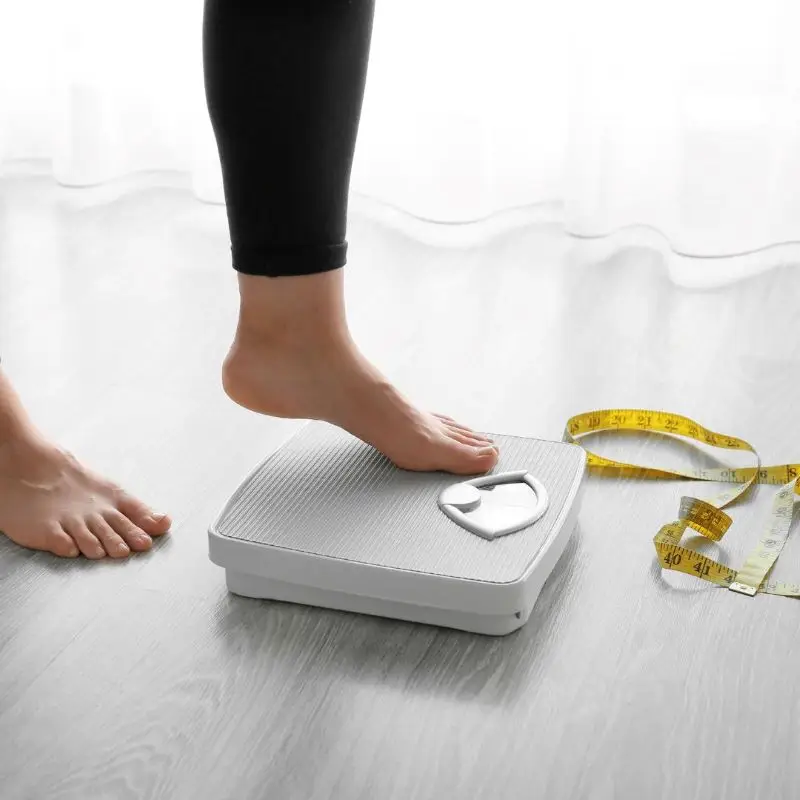
Weight Loss Programs: Eat protein, fat, and vegetables
Losing weight doesn’t have to be complicated. Did you know making simple changes to your plate can lead to significant results? Let’s break down how combining protein, fat, and vegetables can become your winning strategy that could help you lose weight fast.
Why Protein?
- Boosts metabolism: Did you ever think eating could help you burn more calories? Well, protein does exactly that.
- Reduces hunger: Ever find yourself raiding the fridge after dinner? More protein means less of that.
- Builds muscle: Want to look toned after losing weight? Protein helps maintain muscle mass during weight loss.

What about Fats?
- Keeps you full: Fats provide a sense of fullness. No more unnecessary snacking!
- Necessary for health: Your body needs healthy fats for energy and to absorb vitamins. Are you getting enough?
And Vegetables?
- Low in calories, high in nutrients: Perfect for weight loss, right?
- Variety is key: Ever tried zucchini noodles or cauliflower rice? Delicious and nutritious.
Combining Them All How do you feel about making every meal a trio of these powerhouses? Here’s a simple guide to get you started:
- Protein sources: Chicken breast, tofu, lentils, and eggs.
- Fat sources: Avocado, olive oil, nuts, and seeds.
- Vegetables: Spinach, broccoli, kale, and bell peppers.
Remember, it’s not just about losing weight; it’s about feeling great, too. Do you see how easy and beneficial this approach can be?
By focusing on protein, fats, and vegetables, you’re not just cutting calories, you’re nourishing your body and paving the way for successful weight loss. Ready to give it a try and see the difference for yourself?
What’s the best diet for healthy weight loss?
With countless diet plans available, choosing the right one for healthy weight loss can be a challenge. The truth? There’s no one-size-fits-all answer, but a balanced approach is key. The best diet for you is one that’s nutritious, sustainable, and enjoyable.

Essential Components for Success:
- Balance is key: A mix of lean proteins, healthy fats, and greens can make all the difference.
- Opt for whole grains: Replace refined carbs with whole grains like quinoa or whole-grain pasta.
- Smart snacking: Almonds and Greek yogurt are not just delicious; they’re filling and nutritious.
Why This Strategy Works:
- Flexibility: This diet gives you the freedom to enjoy your meals without strict restrictions.
- Realism: It’s designed for real life, allowing you to find joy in healthy eating.
- Focus on health: Ultimately, it’s about feeling great, not just shedding pounds.
For more insights on finding the perfect diet tailored to your needs, check out our comprehensive guide, Top 100 Diets Ranked: Discover the Most Effective to Hidden Gems, where we dive deep into the best diets for sustainable and healthy weight loss. Are you ready to embark on a journey that’s not just about losing weight but about gaining a healthier, happier life?
Cut calories
Cutting calories doesn’t mean you have to sacrifice flavor or satisfaction. It’s all about making smarter choices that align with your body’s needs.
By concentrating on nutrient-dense foods and mindful portion control, you can achieve a calorie deficit for losing weight by eating fewer calories, all without feeling deprived.
Here’s How You Can Start:
- Swap high-calorie foods for lower-calorie alternatives.
- Pay attention to serving sizes to avoid overeating.
- Choose whole foods over processed options for better nutrition and fewer calories.
Cutting down on calories is a proven strategy for weight loss, but it’s essential to approach calorie reduction wisely to ensure you’re losing weight healthily and still receiving the vital nutrients your body requires to flourish.
Wondering how many calories you should be eating to lose weight while staying healthy? Visit our Our Services Page to calculate your personal calorie needs. It’s the first step towards a tailored approach to your weight loss journey, ensuring you cut calories without cutting corners on your health.
Are you ready to make the change?
Eat a Well-Rounded Breakfast
Why Breakfast Matters
Starting your day with a nutritious breakfast is crucial for setting a positive tone for the rest of the day. It’s not just about filling up; it’s about fueling your body with the right nutrients to kickstart your metabolism, enhance your energy levels, and minimize those mid-morning cravings.
The Perfect Plate
A well-rounded breakfast includes a balance of proteins, healthy fats, and whole grains. This combination ensures you’re receiving a spectrum of essential nutrients first thing in the morning.
For instance, pairing whole-grain toast with avocado and a side of scrambled eggs provides a mix of fiber, healthy fats, and protein, keeping you satisfied and energized.
Ideas for a Nutritious Start
Consider a smoothie packed with your favorite fruits, a handful of spinach, and a scoop of protein powder for a quick, nutrient-packed start. Alternatively, oatmeal topped with nuts and berries offers a warm, comforting option that’s both filling and nutritious.

The Benefits
Eating a well-rounded breakfast offers numerous benefits, including helping you lose weight gradually. It sustains energy levels, aids in lose weight, and forms part of a balanced diet.
By selecting diverse, nutrient-rich foods for your morning meal, you’re not only fueling your body but also boosting your overall wellness, making it easier to lose weight and tackle the day’s challenges.
Cut fat: A Step Towards Healthier Eating
Not all fats are created equal. While your body needs healthy fats to function properly, cutting down on bad fats, such as trans and saturated fats, is crucial for maintaining heart health and reducing the risk of chronic diseases.
- Identify and Avoid
Bad fats are often hidden in processed foods, baked goods, and fried items. Start by reading labels and opting for foods with unsaturated fats, like those found in avocados, nuts, and olive oil.
- Cook Smart
When preparing meals, choose methods that don’t add unnecessary fats. Grilling, baking, or steaming your food instead of frying can make a significant difference in your fat intake.
- Make Informed Choices
Incorporating whole, unprocessed foods into your diet is one of the most straightforward ways to cut bad fats. Fruits, vegetables, lean proteins, and whole grains are naturally low in unhealthy fats and high in beneficial nutrients.
- The Benefits
Cutting down on bad fats can significantly enhance your heart health, reduce cholesterol levels, and lower the risk of obesity, aiding in your journey to lose weight. This straightforward adjustment can profoundly impact your overall well-being.
Your Path Forward
Cutting bad fat doesn’t mean sacrificing flavor or enjoyment in your meals. Experiment with healthy fat options and discover new recipes that prioritize both taste and nutrition.
By making conscious choices about the fats in your diet, you’re taking a significant step towards a healthier, more balanced lifestyle.
Reduce Your Intake of Ultra-Processed Carbs and Sweets
In a world where convenience often trumps quality, ultra-processed carbs and sweets have become a staple in many diets. However, these foods are typically high in added sugars, unhealthy fats, and empty calories, offering little nutritional value.
Overconsumption can lead to weight gain, increased risk of chronic diseases, and overall poor health outcomes.

Reducing your intake of ultra-processed carbs and sweets, while incorporating lean meat into your diet, is a vital move towards a healthier lifestyle that promotes weight loss.
These adjustments can stabilize blood sugar levels, diminish cravings, and encourage a diet rich in nutrients.
By making this change, you’re not only avoiding excess calories that can lead to weight gain but also consciously choosing to provide your body with the essential nutrients it needs.
Tips for Reducing Intake and weight loss success
- Choose whole foods: Opt for whole grains, fruits, and vegetables over processed snacks and meals.
- Read labels: Be mindful of the sugar content and ingredient list on packaged foods.
- Find healthier alternatives: Satisfy your sweet tooth with natural sugars from fruits or dark chocolate instead of reaching for candy or pastries.
- Plan meals and snacks: Prepare healthy options in advance to avoid the temptation of convenient processed foods.
The Benefits of Cutting Down
Cutting down on ultra-processed carbs and sweets is key to lose weight and metabolic health, reducing the risk of diseases like diabetes and heart disease.
Adopting a diet with fewer processed carbs for sustained weight loss involves awareness and creativity, focusing on balance and choices that promote your overall health.
Begin with small, consistent changes for a lasting impact on your well-being. Learn how to lose weight and achieve sustained weight loss without eliminating carbs completely at Hundred Diets.
Boost Your Diet: Pump Up Your Protein
Increasing your protein intake is essential for anyone aiming to enhance their health, manage weight, or build muscle.
Protein is crucial for repairing tissues, producing enzymes and hormones, and overall bodily functions, ensuring you don’t lose muscle.
Why More Protein?
- Muscle Health: Essential for repairing and growing muscle, especially if you’re active.
- Nutritious diet: Helps you feel full longer, reducing calorie intake.
- Metabolism Boost: High protein intake can increase your metabolism, helping you burn more calories.
How to Incorporate More Protein
- Diverse Sources: Include both animal (meat, fish, dairy) and plant-based (legumes, nuts, seeds) proteins.
- Smart Snacking: Opt for protein-rich snacks like Greek yogurt or a handful of almonds.
- Protein at Every Meal: Aim to have a protein source at each meal to spread intake throughout the day.
Remember, balance is key in any healthy diet. While boosting your protein, make sure to eat plenty of fruits, vegetables, and healthy fats. It’s about making smarter food choices for a healthier you.

For more tips on how to effectively pump up your protein and stay informed on nutritional best practices, consider visiting Hundred Diets and subscribing to our newsletter. Stay on top of your health game with us!
Embrace Wellness: Follow the Mediterranean diet
The Mediterranean diet is celebrated worldwide for its delicious flavors and numerous health benefits and, indeed, can help you lose weight. Centered around plant-based foods, good fats, whole grains, and lean protein, it’s not just a diet but a lifestyle that promotes longevity and well-being.
Why Choose the Mediterranean Diet?
- Heart Health: Linked to reduced risk of heart disease.
- Promote weight loss: Supports a healthy weight without restrictive calorie counting.
- Mental Clarity: Associated with lower risk of cognitive decline and depression.

How to Adopt the Mediterranean Lifestyle
- Focus on Plants: Fill your plate with fruits, vegetables, nuts, and legumes.
- Select Fats: Olive oil is a staple. Say goodbye to butter and hello to heart-healthy fats.
- Enjoy Seafood: Incorporate fish and seafood a couple of times a week for omega-3 fatty acids.
- Moderate Dairy and Meat: Opt for low-fat dairy and limit red meat to a few times a month.
Remember, the Mediterranean diet emphasizes not only what you eat but also how you eat. Enjoy meals with family and friends, savor each bite, and embrace a physically active lifestyle for the full benefits. This is a healthy way tho lose weight or maintaining weight loss.
Measure servings and control portions
Mastering the art of measuring servings and controlling portions is a game-changer for anyone looking to manage their weight effectively and follow a low calorie diet. This strategy ensures that you’re consuming just the right amount of food your body needs, preventing overeating and aiding in weight loss.
Understanding what a serving size actually looks like can be eye-opening. For instance, a serving of cooked pasta is about the size of a hockey puck, not the mountain often served at restaurants.
Incorporating this practice into your daily routine doesn’t have to be cumbersome. Simple tools like measuring cups, spoons, or even a kitchen scale can become your best allies in portion control.

Also, visual cues, such as comparing food sizes to common objects, can help gauge portions without measuring tools.
Another key tip is to serve meals on smaller plates. This can trick the brain into feeling satisfied with less food, reducing overall calorie intake.
By consistently measuring servings and controlling portions, you’re not only on the path to weight loss but also adopting a healthier eating pattern.
Eat mindfully: The Key to a Healthier Relationship with Food
In today’s fast-paced world, mindful eating emerges as a transformative practice to enhance your relationship with food, promoting better health and weight management.
This approach encourages you to savor every bite, leading to a more satisfying and nutritious dining experience. But what exactly is mindful eating, and how can you incorporate it into your daily life?
- Sit down for meals: Avoid eating on the go. Sit down and make mealtime a distinct event.
- Eliminate distractions: Turn off the TV and put away electronic devices to focus solely on your meal.
- Chew slowly: Take the time to chew your food thoroughly, which aids digestion and enhances the enjoyment of different flavors.
- Listen to your body: Learn to recognize when you’re truly hungry and stop eating when you’re comfortably full.
Adopting a mindful approach to eating can lead to significant health benefits, including improved digestion, reduced stress levels, and a deeper appreciation for the quality of food you consume.

Incorporating this approach into your healthy eating plan is a step towards a life guided by awareness, helping you shed excess weight and leading to a healthier, more fulfilling life.
Transform Your Health Journey with Simple, Effective Strategies
Embarking on a healthier lifestyle is a journey filled with ups and downs, but with the right tools and mindset, success is within reach. A crucial step to staying on track is keeping a food and weight diary.
Logging your meals and body weight fluctuations is a simple act that can reveal patterns and habits impacting your progress, either advancing or hindering your journey.
Incorporating more fiber into your diet is another key element that can significantly impact your health journey and can helps you lose weight quickly.
High-fiber foods like fruits, vegetables, whole grains, and legumes not only help you feel fuller longer, reducing unnecessary snacking, but they also aid digestion and promote a healthy gut.

Staying motivated, however, is perhaps the most challenging aspect of any health journey. It involves setting realistic goals, celebrating small victories, and constantly reminding yourself of the reasons you started this journey.
Combining these strategies, meticulously logging your food and weight, prioritizing fiber-rich foods, and nurturing your motivation creates a powerful formula for achieving your health and wellness goals.
Taking small, manageable steps each day to lose weight safely can lead to significant changes over time, transforming your health journey into a sustainable and rewarding lifestyle.
How to Lose Weight Fast: Engage in regular physical activity and exercise

Embracing regular physical activity and exercise is a transformative step towards a healthier, happier you. Not just a tool for weight loss, regular exercise boosts heart health, enhances mood, and strengthens bones and muscles.
From brisk walking to intensive workouts, incorporating movement into your daily life is essential for both physical and mental wellness.
Making exercise a daily habit can seem daunting, but the benefits are undeniable.
It’s not about dedicating hours at the gym; even short bursts of activity can make a significant difference. Aim for at least 30 minutes of moderate to vigorous activity most days to meet health guidelines and unlock the myriad benefits.
Start small, set realistic goals, and gradually increase your activity level. Exercise isn’t just a physical challenge, it’s a path to discovering your strongest, most vibrant self.
Get plenty of sleep
Getting plenty of sleep is a critical, yet often overlooked, component of weight loss and overall health. Adequate rest plays a pivotal role in regulating hunger hormones like ghrelin and leptin, which control appetite and satiety.

Without sleep deprivation, you’re more likely to experience cravings and make poor food choices, derailing your weight loss efforts.
Aim for 7-9 hours of quality sleep per night to support your body’s natural rhythms and enhance weight management.
By prioritizing sleep, you’re not just resting your body; you’re setting the foundation for a healthier lifestyle and more effective weight management.
Remember, when it comes to losing weight, sleep is just as important as diet and exercise. Make it a non-negotiable part of your health routine to unlock your weight loss potential.
How can I drop 20 pounds fast?
Dropping 20 pounds quickly yet safely involves a multi-faceted approach that combines diet, exercise, and lifestyle modifications. To start, focus on diets that promote balanced nutrition and sustainable weight loss. Here are a few diet plans that are often recommended for effective weight loss:
- Mediterranean Diet: Rich in vegetables, fruits, whole grains, and lean proteins, emphasizing heart health and sustainable eating habits.
- Low-Carb Diet: Reduces carbohydrate intake in favor of protein and healthy fats to encourage the body to use fat as fuel.
- Intermittent Fasting: Cycles between periods of fasting and eating, helping reduce calorie intake and boost metabolism.
- Plant-Based Diet: Focuses on foods derived from plants, including vegetables, fruits, and whole grains, to support weight loss and overall health.
- Paleo Diet: Emulates the eating patterns of our pre-agricultural ancestors, focusing on whole foods like meats, fish, fruits, vegetables, and nuts.
Incorporate regular physical activity, targeting at least 150 minutes of moderate aerobic exercise or 75 minutes of vigorous activity weekly, along with strength training.
Consulting with a healthcare professional can provide personalized advice and ensure your approach is safe and effective.
How can I lose 10 pounds in a week?
Losing 10 pounds in a week is an ambitious goal that requires extreme dedication and effort. However, it’s important to note that such rapid weight loss is often not sustainable or healthy.
Most health professionals recommend a gradual weight loss of 1 to 2 pounds per week for long-term success. If you’re looking to make a significant impact in a short time, focus on:
- Clean Eating: Prioritize whole, unprocessed foods like vegetables, lean proteins, and whole grains. Eliminate sugary snacks, drinks, and refined carbohydrates.
- Increased Hydration: Drink plenty of water to help reduce appetite and flush out toxins.
- Intensified Exercise: Engage in high-intensity interval training (HIIT) and strength training to burn more calories and maintain muscle mass.
- Control Portions: Even when eating healthy foods, controlling your portions is crucial to reduce overall calorie intake.
- Limit Salt and Sugar: These can contribute to water retention and increased fat storage.
Always consider consulting with a healthcare professional before starting any drastic weight loss plan to ensure it’s appropriate for your health status and goals.
Keeping the weight off
Maintaining lost weight is a crucial part of the journey towards long-term health.
The National Weight Control Registry highlights the importance of daily exercise and a diet low in calories and fat for successful weight maintenance. Additionally, regular monitoring of your weight and food intake practices can help in sustaining your weight loss achievements. Embracing these habits not only aids in preventing weight regain but also supports overall well-being.
Here some practical tips to keep you on track and keeping the weight off:
- Stay Active Daily: Incorporate physical activity into your routine, aiming for at least 30 minutes of exercise most days. Activities like walking, cycling, or swimming can keep your metabolism high and help maintain your weight loss.
- Mindful Eating: Pay attention to hunger and fullness cues. Avoid distractions while eating, savor your food, and choose nourishing options that satisfy you both physically and emotionally.
- Regular Weight Checks: Weigh yourself weekly to monitor your progress. This helps you catch small weight gains early and adjust your lifestyle habits accordingly to prevent significant weight regain.
Conclusion
In conclusion, losing weight fast in a healthy way is all about simple, science-backed steps: mindful eating, regular physical activity, and balanced nutrition. Remember, the journey to your ideal weight is a marathon, not a sprint. It’s about making sustainable changes that fit your lifestyle.
For more tips, tricks, and inspiration on your weight loss journey, don’t forget to subscribe to the Hundred Diets newsletter. Stay motivated, stay informed, and let’s embark on this journey to a healthier you together!





Leave a Reply