

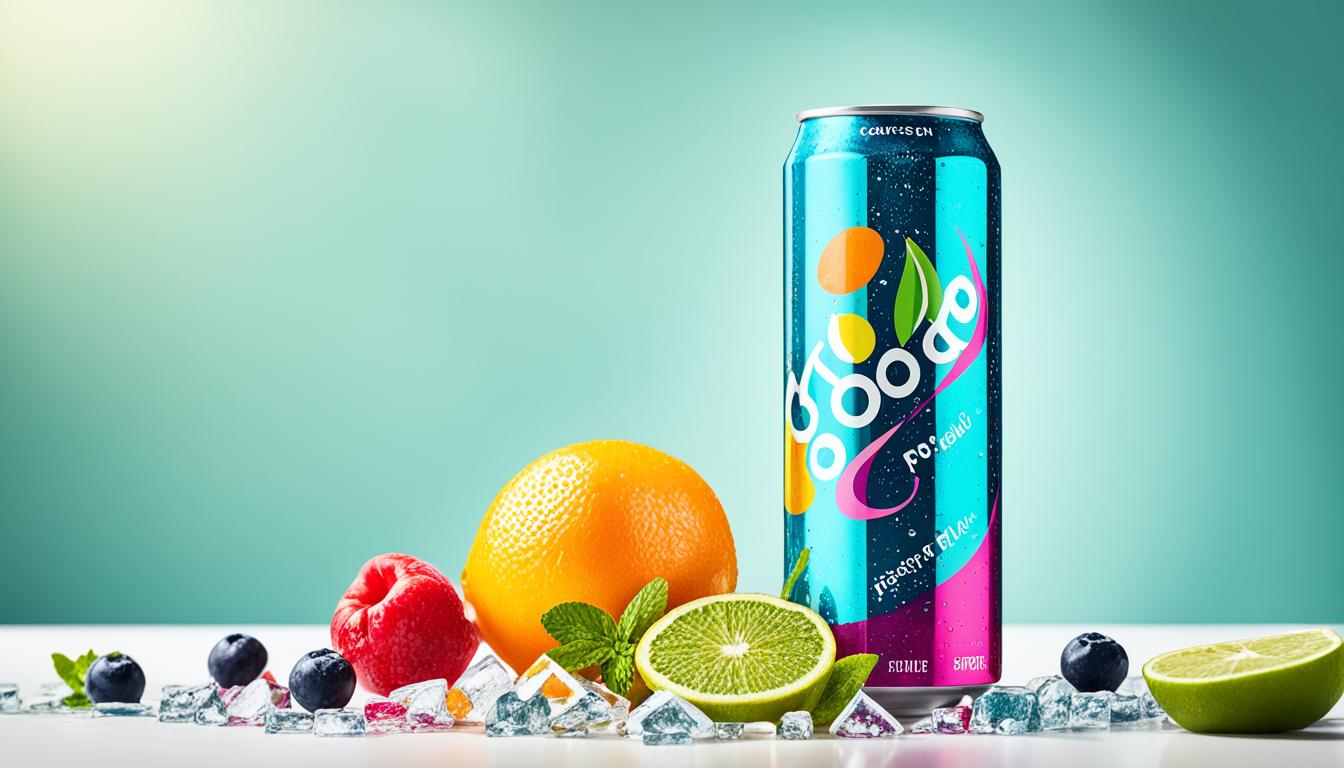
Did you know that the average American consumes over 44 gallons of soda per year? That’s equivalent to more than 570 cans of soda! With such high consumption rates, it’s crucial to make informed choices when it comes to the type of soda we consume. For individuals concerned about the potential health effects of aspartame, finding the best diet soda without aspartame becomes a top priority.
In this article, we will dive into the world of aspartame-free diet sodas, exploring their benefits and the various options available. We’ll also discuss the potential health risks associated with aspartame consumption and provide alternatives for those who are looking for healthier beverage choices.

Key Takeaways:
- Consuming excessive amounts of soda can have a significant impact on our health.
- Aspartame is an artificial sweetener commonly used in diet sodas.
- There are concerns about the potential health risks of aspartame.
- There are various aspartame-free diet soda options available in the market.
- Exploring alternative beverages can help make healthier choices.
Understanding Aspartame and Its Effects on Health
What Is Aspartame and How Is It Used?
Aspartame is an artificial sweetener used in various food and beverage products, including diet sodas. It is a low-calorie alternative to sugar and is about 200 times sweeter in taste. Aspartame is composed of two amino acids, phenylalanine and aspartic acid, which are naturally found in protein-rich foods. It is widely used in the food industry to provide a sweet taste without the added calories of sugar.
Aspartame and Potential Health Concerns
Despite its common use, aspartame has sparked debate over its possible effects on health. Research has indicated that consuming aspartame over a long period might be linked to neurological effects like headaches, dizziness, and mood changes. There are also worries about its possible role in metabolic problems, such as increasing weight and reducing insulin sensitivity.
“While the debate continues, it’s important for individuals to be aware of the potential health concerns associated with aspartame consumption. Making informed decisions about its use is crucial.”
The FDA Stance Versus WHO Findings
The U.S. Food and Drug Administration (FDA) considers aspartame safe for eating, thanks to thorough studies and strict tests. They’ve established a safe daily intake limit (ADI) for aspartame, marking the highest safe amount for everyday use. But, it’s key to remember that people with certain conditions, like phenylketonuria (PKU), should reduce or skip aspartame.
On the other hand, the World Health Organization (WHO) classifies aspartame as a possible carcinogen. They base this classification on studies indicating a potential link between aspartame and cancer, especially in animal models. The WHO’s classification acts as a precautionary measure, taking into account the existing scientific evidence. This reflects a more cautious standpoint.
It is essential for consumers to be aware of the conflicting viewpoints between regulatory agencies and the ongoing research surrounding the effects of aspartame on health. By staying informed, individuals can make choices that align with their personal health goals and considerations.
The Search for the Top Diet Soda Without Aspartame
Why Consumers Are Looking for Aspartame-Free Options
Consumers are growing more aware of their food and drink choices, especially with beverages. The artificial sweetener, aspartame, often found in diet sodas, sparks health concerns. People are now looking for aspartame-free alternatives, aiming to lower their consumption of this debated ingredient for healthier decisions.
Exploring the Different Sweeteners Used in Diet Sodas
Diet soda brands have recognized the growing demand for aspartame-free alternatives and have introduced a range of other sweeteners to cater to consumers’ preferences. Some popular sweetener options used in aspartame-free diet sodas include:
- Sucralose: This zero-calorie sweetener is derived from sugar and provides sweetness without the aspartame.
- Stevia: Extracted from the leaves of the Stevia rebaudiana plant, stevia is a natural sweetener with no calories.
- Acesulfame Potassium: Also known as Ace-K, this sweetener is calorie-free and used in combination with other sweeteners to enhance the taste of diet sodas.
- Other Alternative Sweeteners: Various other sweeteners like monk fruit extract, erythritol, and agave syrup are also used to create aspartame-free diet sodas, providing consumers with a range of options to suit their preferences.
Understanding the various sweeteners in diet sodas is vital. This knowledge allows people to make informed choices. They can then find the best aspartame-free diet soda brands that suit their tastes and health objectives.

Top Aspartame-Free Diet Soda Brands
When it comes to choosing a diet soda without aspartame, there are several top brands that offer delicious and refreshing options. These brands prioritize using alternative sweeteners that are not aspartame-based, providing individuals with a wide variety of choices. Here are some of the best aspartame-free diet soda brands available in the market:
- Diet Coke with Splenda: Known for its iconic taste, Diet Coke with Splenda combines the classic flavor of Diet Coke with the sweetness of Splenda, a non-aspartame sweetener. This brand offers a range of flavors to suit different preferences.
- Pepsi One: Pepsi One is another popular brand that offers a diet soda without aspartame. It is sweetened with a blend of sucralose and acesulfame potassium, providing a great tasting, zero-calorie alternative.
- Diet Rite: Diet Rite is a brand that has been catering to health-conscious consumers for many years. It offers a variety of flavors, all of which are sweetened with sucralose and acesulfame potassium, ensuring a satisfying and aspartame-free beverage experience.
- Zevia: Zevia is a leading brand in the aspartame-free diet soda market, offering a wide range of flavors sweetened with the natural and zero-calorie sweetener, stevia. Zevia prides itself on providing a healthier alternative to traditional diet sodas.
These top aspartame-free diet soda brands give consumers the opportunity to enjoy their favorite fizzy drinks without the concerns associated with aspartame consumption. Each brand offers unique flavors and characteristics, catering to a wide range of taste preferences. With the availability of these brands, individuals seeking non-aspartame diet soda options have ample choices to explore and enjoy.
Comparative Taste Test: Finding the Best Aspartame-Free Diet Soda
When it comes to choosing the best aspartame-free diet soda, taste is a crucial factor. After all, the primary reason for consuming soda is the enjoyment of its flavor. That’s why we conducted a comprehensive taste test to help you find the best-tasting aspartame-free diet soda on the market.
First Impressions Matter: Packaging and Branding
Before even taking a sip, the packaging and branding of a diet soda can significantly influence our expectations and preferences. The visual appeal, color scheme, and design elements can shape our perception of the product even before trying it. That’s why we took packaging and branding into account during our taste test.
When evaluating the packaging and branding, we considered factors such as clarity of information, attractiveness, and overall coherence with the product’s target audience. While these aspects are subjective to some extent, they play a role in shaping our initial impressions and expectations of the taste experience.
Taste-Testing Methodology and Criteria
To ensure fairness and objectivity, we followed a rigorous taste-testing methodology. We selected a panel of experienced tasters who were blindfolded during the test to eliminate any bias.
During the taste test, we evaluated the aspartame-free diet sodas based on the following criteria:
- Taste: The most crucial aspect was the taste itself. We assessed the flavor profile, sweetness level, and overall enjoyment factor.
- Aftertaste: The presence of any unpleasant aftertaste was taken into consideration.
- Carbonation: We evaluated the level of carbonation and how well it complemented the overall drinking experience.
- Mouthfeel: The texture and mouthfeel of the soda were assessed, considering factors such as smoothness and body.
- Overall impression: Finally, we assigned an overall score based on our impressions and preferences.
By utilizing this methodology, we aimed to provide an unbiased and comprehensive evaluation of each aspartame-free diet soda’s taste and quality.
Alternatives to Diet Sodas: Making Healthier Choices
When it comes to choosing healthier beverage options, there are alternatives to diet sodas that can still satisfy your cravings without sacrificing your health. Incorporating these alternatives into your daily routine can provide a refreshing change and contribute to a more balanced lifestyle.
Fermented Beverages: Kombucha as an Alternative
Kombucha, a fermented beverage made from tea, is gaining popularity as a suitable alternative to diet sodas. It contains probiotics, beneficial bacteria that support gut health and digestion. Kombucha also offers a unique and tangy flavor profile that can be enjoyed in a variety of flavors, making it a delicious and health-conscious choice.
Infusing Flavors Naturally with Herbal Teas and Infused Waters
Instead of relying on diet sodas that contain artificial flavors, consider trying herbal teas and infused waters. Herbal teas come in a wide range of flavors and can provide various health benefits, depending on the herbs you choose. On the other hand, infused waters are easy to make and allow you to add natural flavors to plain water without the necessity for added sugars or artificial sweeteners.
Tip: Try infusing water with fruits like citrus, berries, or cucumber, along with herbs like mint or basil for a refreshing and flavorful twist.
Sparkling Water: A Simple and Healthy Fizzy Option
For those who love the fizz of carbonated drinks, sparkling water is a great swap for diet sodas. It offers that bubbly kick without any added sugars or artificial sweeteners. With a range of flavors available, sparkling water is a flexible option you can enjoy alone or mixed with natural fruit juices for an extra taste boost.
Exploring options like kombucha, herbal teas, infused waters, and sparkling water lets you find tastier and healthier alternatives to diet sodas. Choosing these can lead to a more balanced and health-aware way of living.
Navigating the Risks: Understanding and Avoiding Potential Health Pitfalls
In recent years, there has been a growing debate surrounding the risks and benefits of artificial sweeteners. As more individuals become conscious of their health and seek alternative options, it is essential to understand and navigate the potential health pitfalls associated with these substances.
The Debate Over Artificial Sweeteners and Health
Artificial sweeteners, like those found in diet sodas, have sparked controversy in the health community. Some research points to potential negative impacts such as disturbing gut bacteria, raising the chance of metabolic syndrome, and possibly leading to weight gain. On the flip side, other studies suggest that the dangers might be exaggerated, promoting the idea that these sweeteners can fit into a balanced diet.
Making an Informed Choice Deciding on the use of artificial sweeteners means weighing the evidence and possibly talking to healthcare professionals. Being aware of both the risks and benefits is key to figuring out how artificial sweeteners could fit into one’s diet and what precautions might be necessary.
Diet Soda’s Role in Weight Management and Metabolic Health
A topic often discussed is the impact of diet sodas on weight management. Some people opt for these drinks as a calorie-free alternative to regular soda, hoping to aid weight loss or weight maintenance. However, research on this subject is mixed.
On one side, there are studies linking diet soda consumption to weight gain, while on the other, some research considers it beneficial for weight control if consumed in moderation. It’s crucial to remember that individual reactions to diet sodas and artificial sweeteners can vary, and that overall dietary habits and lifestyle choices have a significant impact too.
Beyond weight management, the effect of diet soda on metabolic health has also been explored. Some studies have suggested possible connections between diet soda intake and an increased risk of metabolic syndrome, type 2 diabetes, and cardiovascular diseases. Yet, more research is needed to confirm these links and understand the exact mechanisms.
As with all dietary choices, moderation is key. Individuals should be mindful of their overall diet and lifestyle, considering the role of diet soda in weight management and metabolic health. Consulting a health professional or registered dietitian can provide tailored advice based on individual health needs and goals.

Conclusion
Making informed decisions is key when choosing a healthier beverage option. In this article, we’ve tackled the issue of finding the best diet soda without aspartame, highlighting the health concerns associated with aspartame consumption. We’ve discussed the need for alternative options and introduced a variety of aspartame-free diet soda brands for consumers.
However, it’s important to remember that diet sodas, even without aspartame, may still pose their own risks. Being aware of the potential impacts on weight management and metabolic health is crucial. As consumers, we should always weigh the pros and cons and consider other healthier alternatives.
The future of diet sodas and sweeteners is constantly evolving. As research continues to reveal the potential risks and benefits, we can anticipate advancements and changes in the industry. It’s vital for consumers to stay informed and make choices based on their personal health goals and preferences. Opting for healthier beverage choices can aid in overall well-being and long-term health.
FAQ
What is aspartame and how is it used?
Aspartame stands as a widely-used artificial sweetener in diet sodas, serving as an alternative to sugar. Its composition includes two amino acids, phenylalanine and aspartic acid, along with a trace of methanol. This combination delivers the sweetness we crave without the calorie burden sugar brings.
What are the potential health concerns associated with aspartame consumption?
Some people have reported negative reactions after consuming aspartame, such as headaches, dizziness, and gastrointestinal problems. Furthermore, there are studies indicating a possible connection between the intake of aspartame and neurological effects, metabolic problems, and the risk of developing certain cancers.
How does the FDA’s stance on aspartame compare with the findings of the WHO?
The FDA has deemed aspartame as safe for consumption, stating that it meets the agency’s rigorous safety standards. However, the World Health Organization (WHO) has classified aspartame as a possible carcinogen, based on some studies suggesting a potential link to cancer. It is important to note that more research is needed to fully understand the long-term health effects of aspartame.
Why are consumers looking for aspartame-free options?
Many consumers are actively seeking aspartame-free options due to concerns about potential health risks associated with aspartame consumption. By choosing aspartame-free diet sodas, individuals can enjoy the taste of their favorite beverages while minimizing their exposure to artificial sweeteners.
What are the different sweeteners used in aspartame-free diet sodas?
Aspartame-free diet sodas use alternative sweeteners such as sucralose, stevia, acesulfame potassium, and erythritol. These sweeteners provide the desired sweetness without the use of aspartame.
What are some top aspartame-free diet soda brands?
Some top aspartame-free diet soda brands include Diet Coke with Splenda, Pepsi One, Diet Rite, and Zevia. These brands offer a wide variety of flavors and provide consumers with an alternative to traditional diet sodas containing aspartame.
How can I determine which aspartame-free diet soda is the best?
The best way to find the perfect aspartame-free diet soda that suits you is by conducting a taste test. This involves trying out different brands and flavors to pinpoint the one you like the most in terms of taste and texture. Your decision might also be swayed by other factors like packaging, branding, and personal preferences.
What are some healthier alternatives to diet sodas?
There are several healthier alternatives to diet sodas. Some options include fermented beverages like kombucha, which promote gut health; herbal teas and infused waters that provide natural flavors without added sugars or artificial sweeteners; and sparkling water as a fizzy alternative to traditional sodas.
What is the ongoing debate over artificial sweeteners and health?
The discussion about artificial sweeteners and health centers on the possible risks and benefits that come with using them. Although artificial sweeteners provide a substitute for sugar and can assist in lowering calorie consumption, worries exist regarding their long-term impact on metabolic health, weight management, and general well-being.
What should I consider when making informed decisions about healthier beverage choices?
When deciding on healthier drink options, it’s key to weigh the risks and benefits of using artificial sweeteners and to look into other choices like herbal teas, sparkling water, and fermented beverages. Consider your own health aims and what you personally prefer as well.
What does the future hold for diet sodas and sweeteners?
The future of diet sodas and sweeteners is expected to see innovations and transformations within the industry. As people increasingly lean towards healthier choices, companies might create new recipes and investigate alternative sweeteners to satisfy the changing needs of the market.




Leave a Reply