

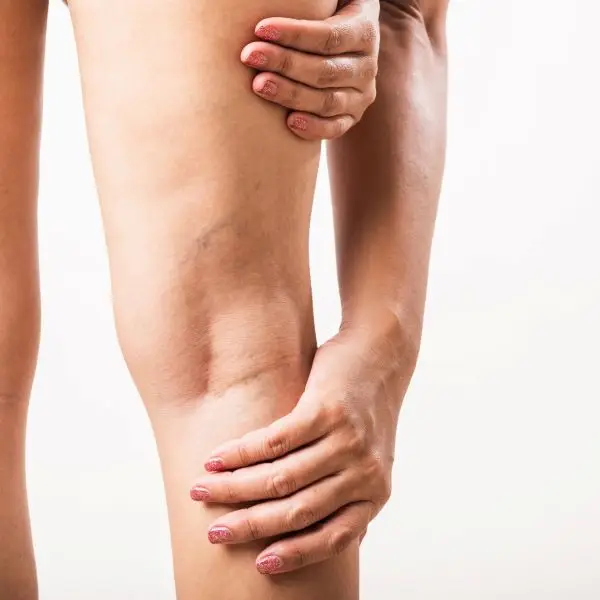
Welcome to my guide on easing legs swelling. Are you dealing with swollen legs? Looking for relief? Then you’re in the right spot. Did you know that approximately 10 million Americans experience legs swelling each year? According to the American Heart Association, it’s a common issue affecting many. Learn practical tips to alleviate discomfort and improve mobility.
In this piece, I’ll share tips and advice on finding comfort. This includes lifestyle changes, home remedies, and medical help. So, if you’re after strategies to feel better, stick around.
Key Takeaways:
- Legs swelling relief is achievable through various strategies.
- Managing leg swelling symptoms requires a combination of medical interventions, lifestyle adjustments, and home remedies.
- Stay active, manage your weight, and elevate your legs to reduce leg swelling.
- Compression therapy and prescribed medications can provide effective relief for swollen legs.
- Implementing natural dietary changes and home techniques, such as elevation and compression, can also help alleviate leg swelling.

Understanding Legs Swelling: Causes and Diagnosis
Let’s talk about what makes legs swell and how to figure it out. Knowing why legs swell is key for proper treatment.
Common Causes of Swollen Legs and Feet
Many things can make legs and feet swell. Knowing these reasons helps us find solutions.
Some common causes of leg swelling include:
- Fluid retention: Too much fluid in the legs can cause swelling. This happens with heart failure, kidney disease, or veins not working right.
- Lymphatic issues: Swelling happens when the lymph system can’t drain fluid well.
- Venous insufficiency: This is when veins can’t send blood back to the heart, causing swelling.
- Injury or trauma: Swelling can follow injuries, like breaks, sprains, or strains.
- Infections: Infections like cellulitis or deep vein thrombosis can swell the legs.
The Diagnosis Process for Leg Edema
To figure out why legs are swollen, doctors must check many things. They look at symptoms, medical history, and what they see in exams.
Doctors might:
- Ask about your health history to know about risks or past issues
- Look at the swelling and find other signs of problems
- Use scans, like ultrasounds or X-rays, to check blood flow or look for injuries
- Do blood tests to find signs of medical conditions
- Send you to experts, like heart, kidney, or blood vessel doctors, for more checks
Importance of a Detailed Medical History
Collecting a comprehensive health history is vital for diagnosing leg swelling. This involves gathering information on medical conditions, medications, surgeries, lifestyle habits, and any recent changes.
A full medical history helps doctors pinpoint why legs are swelling. They can then plan the best treatment.
Understanding why legs swell and going through a detailed health history leads to good treatment. This helps those with swollen legs get better.

Medical Interventions for Swollen Legs
Many treatments help with swollen legs and make you feel better. These include special wraps and medicines to reduce swelling. It’s important to deal with both the symptoms and the main causes of the swelling to get the best results.
When to Consider Compression Therapy to Prevent and Reduce Legs Swelling
Compression therapy is a key treatment for swollen legs. It uses special socks or bandages to squeeze your legs gently. This helps your blood flow better. It is good for lessening swelling and making your legs feel better. It is especially helpful if you sit or stand a lot.
Here are some reasons you might use compression therapy:
- Chronic leg swelling
- Varicose veins
- Lymphedema
- Deep vein thrombosis (DVT) prevention
- Post-surgical recovery
There are many types of compression wraps and socks. Always talk to a doctor to pick the right one for your needs.
Medications Prescribed for Legs Swelling Relief
Sometimes, doctors give medicines to help with leg swelling. These medicines work on the swelling’s causes or the swelling itself. The common medicines include:
Diuretics: These remove extra fluid in your body, which can reduce swelling. They are used for heart or kidney problems.
Nonsteroidal anti-inflammatory drugs (NSAIDs): These reduce swelling and pain. They are used for arthritis or injuries.
Anticoagulants: Also called blood thinners, these are used to prevent or treat clots that cause swelling.
Always take these medicines as your doctor tells you. And talk to them about any side effects or if you’re taking other medicines.
Finding the Right Balance: Treating Causes vs. Symptoms
Managing leg swelling means balancing treating the causes and the symptoms. While treatments like compression therapy and medicines help, fixing the main causes of the swelling is vital for lasting relief.
Engaging in dialogue with your doctor is crucial. Through this interaction, they can identify the reasons behind your leg swelling and offer tailored treatment. By addressing the underlying causes, you can experience improved and more sustained relief.
Remember, use these medical treatments along with lifestyle changes and home remedies. This full approach helps you deal with leg swelling better. It can improve your life and lessen the effects of swelling on your daily activities.
| Medical Interventions for Swollen Legs | When to Consider | Medications Prescribed |
|---|---|---|
| Compression Therapy | – Chronic leg swelling – Varicose veins – Lymphedema – Deep vein thrombosis (DVT) prevention – Post-surgical recovery | – Diuretics – Nonsteroidal anti-inflammatory drugs (NSAIDs) – Anticoagulants |
Lifestyle Adjustments to Prevent and Reduce Legs Swelling
To stop and lessen leg swelling, making some life changes is very helpful. If you follow these suggestions, you can lessen how often and badly your legs swell. This makes you feel better overall.
Some easy tips to Prevent and Reduce Legs Swelling:
- Manage weight: Keeping a healthy weight helps take the pressure off your legs and lowers the fluid build-up risk. Eating well and exercising often helps with weight control and keeps your legs healthy.
- Stay active: Activities like walking or swimming boost blood flow in your legs and lessen swelling. Try to do moderate exercise for 30 minutes a day to keep your legs in good shape and swelling down.
- Elevate the legs: Lifting your legs above your heart now and then during the day eases swelling. Prop your legs up with a pillow or cushion when sitting or lying to help blood flow and cut down on fluid holding.
- Avoid prolonged sitting or standing: Being in one spot too long can block blood flow and make legs swell. Move around and stretch your legs often, especially if you sit or stand a lot at work.
- Wear comfortable shoes: Choose shoes that support well and don’t stop blood flow. Skip tight shoes that can make swelling worse.
- Avoid excessive heat: Too much heat, like hot baths or saunas, can keep fluids in your body and make swelling worse. Use cooler water for baths and try not to be in very hot places too long.
- Stay hydrated: Drinking enough water helps with blood flow and stops fluid holding. Aim for eight glasses of water a day to keep you hydrated and help prevent leg swelling.
- Minimize salt intake: Too much salt makes your body hold onto water and can lead to more swelling. Eat less processed food because it has a lot of salt and choose fresh foods.
By adding these changes to your day, you can help stop and lower legs swelling.

Legs Swelling Home Remedies
There are home remedies to help with leg swelling. They can fit well into your daily life. These remedies support what you’re already doing.
Exercise Strategies to Alleviate Swelling in Legs and Ankles
Exercise is good for your health and can decrease legs swelling. It helps blood and lymph flow better. Here are exercises to try:
- Walking: Take daily walks to boost blood circulation and reduce fluid buildup.
- Stretching: Perform leg stretches to improve flexibility and promote lymphatic drainage.
- Leg Exercises: Incorporate leg exercises that activate the calf muscles, such as calf raises or ankle pumps.
Natural Dietary Changes for Legs Swelling Management
Adjusting your diet can help manage legs swelling. Simple changes can reduce fluid and improve health. Try these diet tips:
- Reduce Sodium Intake: Limiting your sodium consumption can prevent water retention and minimize legs swelling.
- Diuretic Foods: Include foods with natural diuretic properties in your diet, such as cucumber, watermelon, and parsley.
- Hydration: Drink enough water to flush out toxins and stay hydrated.
Elevation and Compression: Home Techniques to Manage Legs Swelling That Work
Elevation and compression at home can give immediate relief for legs swelling. Here are some techniques:
Elevation: Elevate your legs above heart level using pillows to reduce swelling.
Compression: Wear compression stockings to stop fluid buildup in your legs.
These home remedies can give extra relief and support other efforts. They’re easy to do at home.
| Exercise Strategies | Natural Dietary Changes | Elevation and Compression Techniques |
|---|---|---|
| Walking | Reduce Sodium Intake | Elevation |
| Stretching | Diuretic Foods | Compression |
| Leg Exercises | Hydration |
Conclusion
Effectively managing and alleviating leg swelling is paramount for maintaining comfort and overall well-being. Moreover, we have examined a multitude of techniques aimed at diminishing swelling in the legs. Ultimately, embracing a blended approach emerges as the most effective strategy for managing leg swelling comprehensively.
Medical help like compression therapy can decrease swelling and improve blood flow. With a doctor’s advice, people can choose what’s best for them.
Medical help, such as compression therapy, can decrease swelling and improve blood flow. Additionally, with a doctor’s advice, individuals can make informed decisions about the treatment option that suits them best. Also, try not to sit or stand too long to avoid swelling.
Home remedies like more exercise, eating less salt, and raising your legs help too. They boost the effects of medical help and lifestyle changes. Doing these things at home adds to relief from leg swelling.
Using medical help, making lifestyle changes, and applying home remedies together helps a lot. It brings relief from leg swelling. And it makes life better overall.





Leave a Reply