

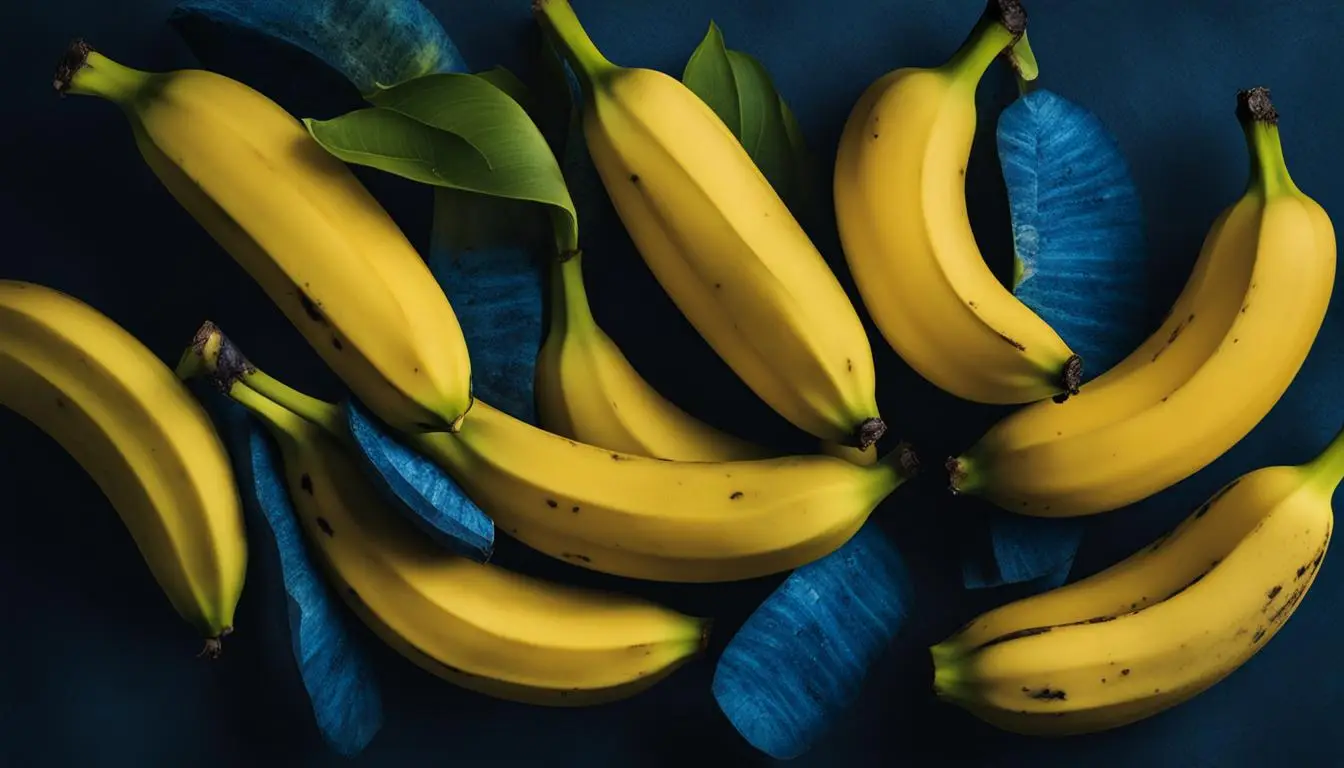
Did you know that a simple banana can be your secret weapon for energy and health? We often overlook this humble fruit in the sea of trendy superfoods, but bananas are packed with essential nutrients that can give you a natural boost and support your overall well-being. So, what are the nutritional secrets hidden within this beloved yellow fruit? Let’s uncover them together!

Discover the Nutritional Profile of Bananas
As we dive deeper into the secrets of banana nutrition, it’s important to understand the essential vitamins and minerals that make this fruit a powerhouse of nutrients. Bananas are brimming with goodness that contributes to our overall health and well-being.
Essential Vitamins and Minerals in Bananas
When it comes to vitamins and minerals, bananas have so much to offer. One of the standout nutrients in bananas is potassium. This essential mineral plays a crucial role in maintaining heart health and regulating blood pressure.
Another vital vitamin found abundantly in bananas is vitamin B6. This nutrient plays a significant role in brain development and function, making it essential for optimal cognitive function.
And let’s not forget about vitamin C. Bananas contain this powerful antioxidant that helps protect our cells from damage, while also supporting our immune system and overall well-being.
Caloric Content and Macromolecular Breakdown
When it comes to watching our caloric intake, bananas are a smart choice. They are relatively low in calories and fat, making them a healthy and nutrient-dense fruit. If you’re looking for a snack that won’t weigh you down, reach for a banana.
Bananas also provide a breakdown of macronutrients that our bodies need. They contain carbohydrates, which provide us with energy, and a small amount of protein to support muscle health and repair.
Antioxidants and Phytonutrients: The Hidden Helpers
Aside from essential vitamins and minerals, bananas also contain antioxidants and phytonutrients that contribute to our overall well-being. These antioxidant compounds help neutralize harmful free radicals in our bodies, protecting our cells from oxidative damage.
Phytonutrients, on the other hand, are plant-based compounds that have been linked to various health benefits. Bananas contain phytonutrients such as dopamine, which can have a positive impact on our mood and overall mental well-being.
With such a rich nutritional profile, it’s no wonder why bananas are considered one of the most popular and nutritious fruits in the world. From their essential vitamins and minerals to their antioxidant and phytonutrient content, bananas truly are a powerhouse of nutrition.
Unlocking the Secrets of Banana Nutrition for Energy and Health
Bananas are not only delicious but also have numerous health benefits that can boost our energy and enhance our overall well-being. They are a great source of natural sugars, which provide a quick and sustainable energy boost. The combination of essential vitamins, minerals, and antioxidants in bananas supports our immune system, brain function, and heart health.

Additionally, the fiber content in bananas promotes digestive health and helps us feel fuller for longer, aiding in weight management. By understanding the secrets of banana nutrition, we can harness the power of this fruit for optimal energy and health.
Here’s a breakdown of the key vitamins and minerals in bananas that promote heart, brain, and cellular health:
- Bananas are full of key vitamins and minerals: potassium, vitamin B6, vitamin C.
- Potassium supports heart health and blood pressure regulation.
- Vitamin B6 is essential for brain development and function.
- Vitamin C, antioxidants, and phytonutrients in bananas protect cells and boost well-being.
Moreover, bananas are a rich source of dietary fiber, which plays a significant role in digestive health. The fiber aids in digestion, prevents constipation, and helps regulate bowel movements. By promoting a healthy gut, bananas contribute to overall well-being and can even help manage weight by keeping us satiated.
By incorporating bananas into our diet, we can unlock their nutritional secrets and enjoy the benefits they offer for our energy and health.
How Banana Influence Blood Sugar Levels and Digestive Health
Bananas have a unique impact on our blood sugar levels and digestive health. The soluble fiber found in bananas helps regulate blood glucose levels by slowing down the absorption of carbohydrates. This can prevent blood sugar spikes and help maintain stable energy levels.
Additionally, bananas are a suitable option for individuals with diabetes as they have a low glycemic index, meaning they have a minimal effect on blood sugar compared to high-glycemic foods. The natural sugars present in bananas are metabolized at a slower rate, resulting in a gradual rise in blood sugar levels.
In terms of digestive health, bananas are rich in fiber, which plays a crucial role in supporting healthy digestion. The fiber content helps to promote regular bowel movements, prevent constipation, and maintain a healthy gastrointestinal system.
Soluble Fiber: A Key to Balancing Blood Glucose
The soluble fiber in bananas absorbs water in the intestines, forming a gel-like substance that slows down the digestion and absorption of carbohydrates. This gradual breakdown leads to a steadier release of glucose into the bloodstream, preventing sudden spikes or drops in blood sugar levels.
Resistant Starch in Unripe Bananas and Its Health Implications
Unripe bananas contain a higher concentration of resistant starch, which acts as a prebiotic. This type of fiber serves as food for the beneficial bacteria in our gut, promoting a healthy balance of gut microbiota. A healthy gut microbiome is essential for optimal digestion, nutrient absorption, and overall gastrointestinal health.
The Role of Bananas in Weight Loss and Appetite Regulation
When it comes to weight loss and appetite regulation, bananas can be a valuable addition to your diet. One of the key factors behind their effectiveness is their high fiber content. Fiber plays a crucial role in helping us feel satiated and satisfied, reducing our hunger and cravings throughout the day.

Fiber Content: How Banana Help You Feel Satiated
Bananas are a great source of dietary fiber, with an average-sized banana providing about 3 grams of fiber. This fiber adds bulk to our meals, making us feel fuller for longer. When we consume fiber-rich foods like bananas, it slows down the digestion process, keeping us satisfied and reducing the likelihood of overeating.
Did You Know? Fiber also aids in digestion by promoting regular bowel movements and preventing constipation. An improved digestive system can contribute to overall weight management.
Caloric Considerations for Weight Management
In addition to their fiber content, bananas are relatively low in calories and fat. A medium-sized banana contains about 96 calories and less than 0.5 grams of fat, making it a satisfying and nutrient-dense snack or addition to meals. This aspect of bananas makes them an excellent choice for those looking to manage their weight without compromising on taste or nutrition.
By incorporating bananas into a balanced weight loss or weight management plan, you can take advantage of their satiating fiber content and low-calorie nature, helping you achieve your goals while enjoying a delicious and nutritious fruit.
Supporting Heart Health with Banana Consumption
Bananas are a heart-healthy fruit that can significantly contribute to cardiovascular health. One of the key reasons behind this is their high potassium content. Potassium plays a crucial role in regulating blood pressure by counteracting the effects of sodium in our bodies. By maintaining a balance between potassium and sodium levels, bananas help promote normal heart rhythm and prevent hypertension.
High blood pressure is a significant risk factor for cardiovascular diseases such as heart attacks and strokes. Incorporating bananas into a balanced diet can help reduce the risk of these conditions and support overall heart health.
In addition to their potassium content, bananas are also a good source of other essential nutrients that contribute to heart health, such as vitamin C and dietary fiber. Vitamin C is an antioxidant that helps protect our blood vessels from damage, while dietary fiber promotes healthy cholesterol levels, reducing the risk of heart disease.
To experience the heart-healthy benefits of bananas, consider including them as a regular part of your diet. Whether enjoyed as a standalone snack, added to smoothies, or used in various recipes, bananas offer a convenient and delicious way to support your cardiovascular health.
Antioxidant Power: Banana in the Fight Against Disease
Bananas are a rich source of antioxidants that play a crucial role in protecting our cells from damage caused by harmful free radicals. These free radicals can lead to oxidative stress, which contributes to the development of various chronic diseases. The antioxidants present in bananas help neutralize these free radicals and support cellular health, promoting overall well-being.
Free Radical Neutralization and Cellular Protection
Bananas’ antioxidants neutralize free radicals, stopping cell damage. These reactive molecules can cause oxidative harm in our bodies. Eating bananas arms our cells with antioxidants to fight free radicals, shielding our DNA, proteins, and lipids.
Antioxidants in bananas, such as vitamin C, help strengthen our immune system and enhance its ability to fight off infections and diseases. Additionally, they can help reduce inflammation, which is often associated with chronic diseases like heart disease, diabetes, and certain types of cancer.

Investigating the Role of Bananas in Chronic Disease Prevention
Incorporating bananas into our diet can positively impact chronic disease prevention. Authoritative sources link the antioxidants in bananas to a lower risk of cardiovascular disease, cancer, and neurodegenerative disorders.
Specifically, a study highlighted on PubMed and BGR suggests that slightly unripe bananas, high in resistant starch, may help prevent certain types of cancer, including those linked to Lynch syndrome, by inhibiting DNA damage that leads to cancer growth. This aligns with broader research emphasizing the role of dietary antioxidants in reducing chronic disease risks.
Bananas are highly nutritious, offering significant amounts of Vitamin B6 and C, potassium, and dietary fiber, which are essential for heart health and blood pressure regulation. According to the United States Department of Agriculture, bananas can also support digestive health due to their fiber content.
Banana as a Functional Food for Exercise and Post-Workout Recovery
When it comes to exercise and post-workout recovery, bananas are often hailed as a perfect food for athletes and fitness enthusiasts. Their unique combination of nutrients makes them an ideal choice for maximizing performance and aiding in recovery.
Electrolytes and Muscle Function: A Perfect Match for Athletes
Bananas, rich in carbohydrates, provide natural energy and essential electrolytes for muscle function and hydration. Potassium, a key electrolyte in bananas, maintains fluid balance and supports muscle contractions. Eating bananas during and after exercise replenishes electrolytes, preventing cramps and enhancing muscle performance.
Nutrient Replenishment Following Physical Activity
Bananas offer more than electrolytes; they’re full of vitamins and minerals crucial for post-workout recovery. They support muscle repair and growth. Bananas are rich in vitamin B6, aiding protein metabolism for muscle rebuilding. They also deliver vitamin C for immune health and magnesium for muscle relaxation and recovery.

By incorporating bananas into your exercise routine and post-workout snack, you can take advantage of their natural energy, electrolytes, and nutrient profile to enhance performance, support muscle function, and aid in recovery.
Conclusion
In conclusion, integrating bananas into a balanced diet can have profound implications for energy and overall health. By incorporating bananas into our daily food choices, we can tap into their energy-boosting properties and support various aspects of our well-being.
Integrating Bananas into a Balanced Diet
Add bananas to meals or snacks for an easy, tasty nutrition boost. Slice them over cereal or blend into smoothies for vital vitamins, minerals, and fiber. Bananas help our bodies thrive and make our diets more balanced.
Overall Implications for Energy and Health
The implications of banana consumption go beyond just the energy-boosting properties they offer. Bananas contain vital nutrients that contribute to heart health, blood sugar regulation, weight management, and exercise performance.
By including bananas in our daily routine, we can benefit from their rich source of potassium, their ability to regulate blood glucose levels, their satiating fiber content, and their role in post-workout recovery.
Incorporating bananas into our diet not only supports our energy needs but also promotes vibrant health for a better quality of life. By making informed dietary choices and embracing the power of bananas, we can enjoy their multitude of health benefits while savoring their natural sweetness and versatility.
FAQ
What vitamins and minerals are found in bananas?
Bananas are a rich source of essential vitamins and minerals, including potassium, vitamin B6, and vitamin C.
How many calories are in a banana?
Bananas are relatively low in calories, making them a healthy and nutrient-dense fruit.
What are the health benefits of bananas?
Bananas provide numerous health benefits, such as supporting heart health, regulating blood sugar levels, promoting weight management, and enhancing exercise performance.
How do banana influence blood sugar levels?
The soluble fiber in bananas helps regulate blood glucose levels by slowing down the absorption of carbohydrates, preventing blood sugar spikes.
How do banana impact digestive health?
Bananas contain fiber, including resistant starch, which acts as a prebiotic and nourishes beneficial gut bacteria, promoting a healthy digestive system.
Can banana help with weight loss?
Yes, bananas can aid in weight loss by promoting satiety and reducing hunger and cravings, while being relatively low in calories and fat.
How do bananas support heart health?
Bananas are rich in potassium, which helps regulate blood pressure and maintain normal heart rhythm, promoting cardiovascular health.
What is the role of antioxidants in bananas?
Bananas contain antioxidants that help protect cells from damage caused by free radicals, promoting cellular health and reducing the risk of chronic diseases.
How can bananas enhance exercise performance?
Bananas provide natural sugars for quick and sustainable energy, as well as essential electrolytes and nutrients that support muscle function and aid in post-workout recovery.





Leave a Reply