

Overview of the Atkins Diet for Vegetarians and Vegans
The Atkins Diet is structured into four distinct phases, namely Induction, Balancing, Pre-Maintenance, and Lifetime Maintenance, with each stage designed to facilitate weight loss and enhance overall well-being by gradually adjusting carbohydrate consumption [1]. Vegetarians and vegans embarking on the Atkins Diet must tailor the program to accommodate their dietary preferences and restrictions, ensuring they receive adequate nutrition while adhering to the low-carb principles of the diet. Adapting the Atkins Diet to suit a vegetarian or vegan lifestyle can yield various advantages, including effective weight management, better control of blood sugar levels, and heightened vitality, showcasing the compatibility of plant-based eating with low-carb approaches.
Adapting Atkins for Vegetarians and Vegans
Vegetarians and vegans can tailor the Atkins Diet with plant proteins like tofu, tempeh, and quinoa. These proteins are full of essential amino acids. They help maintain muscles and keep you full on a low-carb diet. Learning about plant-based proteins helps vegetarians and vegans make smart food choices on Atkins. This ensures they meet their health goals. Combining Atkins with plant-based eating leads to weight loss and better health. This blend offers the best of both worlds: nutrient-rich plants and controlled carbs.
Protein Sources for Vegetarians and Vegans
For vegetarians and vegans on the Atkins Diet, incorporating a range of protein sources is key to meeting daily needs and maintaining health. Here’s how:
- Common Proteins: Eggs, legumes, nuts, and dairy are great for vegetarians.
- Plant-Based Options: Explore soy products, seeds, soy and rice cheeses, and quinoa for essential amino acids.
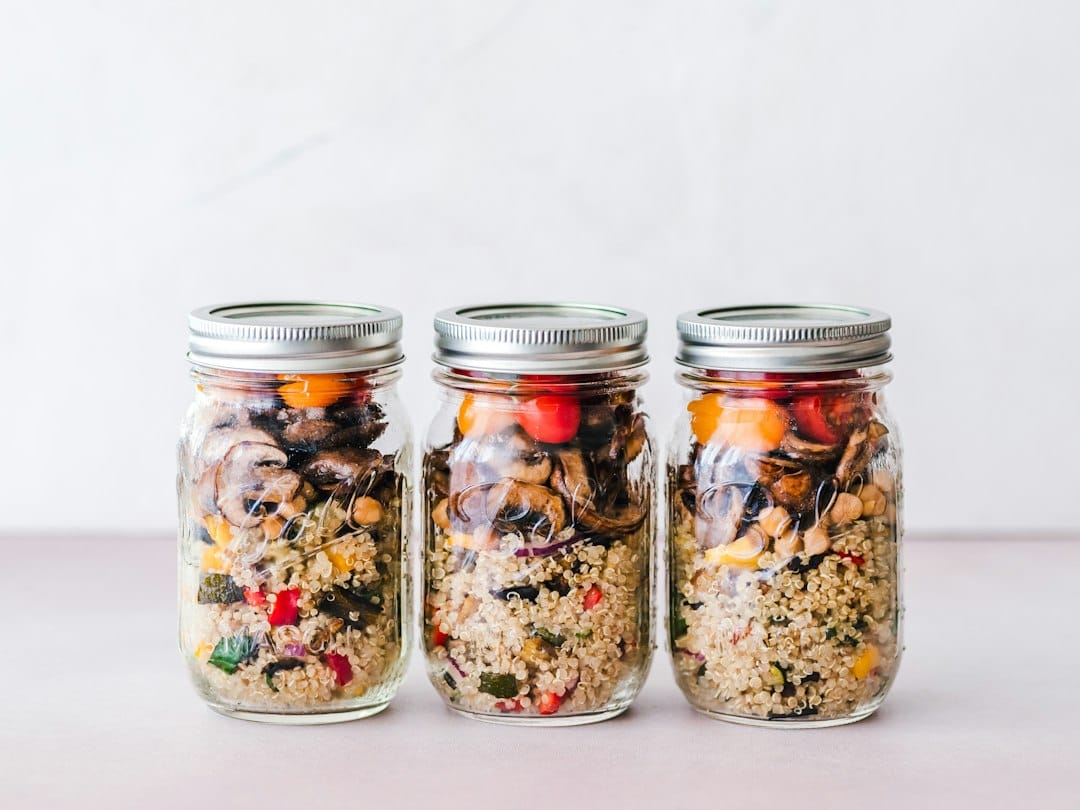
- Quinoa Highlight: It’s a complete protein with all nine essential amino acids, perfect for a vegetarian or vegan low-carb diet.
By diversifying protein sources, you can ensure a balanced diet that fits the Atkins Diet’s principles.
The Power of Plant-Based Proteins in the Atkins Diet
Protein is key for muscle support and feeling full, especially on a low-carb diet like Atkins. Vegetarians and vegans can rely on tofu and tempeh for protein. These plant-based options keep you full and support the Atkins Diet’s success. They help meet protein needs and stop you from snacking too much on carbs. So, using different plant proteins is a smart move for vegetarians and vegans on Atkins.
 Low-Carb Vegetable Choices
 Low-Carb Vegetable Choices
When it comes to selecting low-carb vegetables for a vegetarian or vegan following the Atkins Diet, the options are plentiful and versatile. Beyond the common choices like asparagus, Brussels sprouts, and kale, there is a whole array of nutrient-dense vegetables that can be incorporated into daily meals. For instance, bell peppers, spinach, and avocado are excellent choices that not only provide essential vitamins and minerals but also contribute to the diet’s low-carb nature [4].
Moreover, low-carb vegetables play a crucial role in aiding digestion and supporting gut health due to their high fiber content.
- Vegetarians and vegans can benefit from the fiber-rich properties of vegetables like:
- Cauliflower
- Eggplant
- Bok choy
These vegetables promote satiety and help maintain a healthy digestive system. Including a variety of these vegetables in different recipes can not only add complexity and depth to meals but also ensure individuals meet their dietary fiber requirements while following a low-carb approach.
Exploring Low-Carb Vegetables
Experiment with low-carb veggies in salads, stir-fries, soups, and sides. This diversifies nutrients and introduces new tastes and textures. Making the vegetarian or vegan Atkins Diet enjoyable and sustainable becomes easier. Try different cooking methods and seasonings to keep meals exciting. Enjoy the nutritional benefits of these vegetables.
 Healthy Fats for Vegetarians and Vegans
 Healthy Fats for Vegetarians and Vegans
When following a vegetarian or vegan Atkins Diet, it is essential to understand the distinction between healthy and unhealthy fats to make informed dietary choices. While unhealthy fats like trans fats should be limited due to their detrimental effects on health, healthy fats from plant-based sources are crucial for overall well-being. For instance, incorporating omega-3 fatty acid-rich foods such as chia seeds and flaxseeds can contribute to heart health and support cognitive function. These healthy fats not only enhance the flavor and satiety of meals but also play a significant role in promoting optimal health on a low-carb vegetarian or vegan diet.
The Power of Healthy Fats in a Vegetarian/Vegan Atkins Diet
Healthy fats are vital for absorbing nutrients and regulating hormones, making them key to a balanced vegetarian or vegan Atkins Diet. Including healthy fats like avocados, nuts, seeds, and olive oil helps keep your macronutrient intake in check and supports your body’s functions. Avocados, for instance, are packed with good monounsaturated fats and essential vitamins E and K, boosting overall health. By choosing foods rich in healthy fats, vegetarians and vegans can get the most out of their Atkins Diet.
Hidden Carbs and Low-Carb Alternatives
 Hidden Carbs and Low-Carb Alternatives
When following the Atkins Diet as a vegetarian or vegan, it is crucial to be vigilant about hidden sources of carbohydrates within food products. Many vegetarian and vegan items, such as sauces and dressings, might contain hidden sugars or starches, which can unexpectedly increase the carb content of a meal. For instance, a seemingly healthy salad dressing could be packed with hidden sugars, derailing the low-carb goals of individuals on the Atkins Diet. By being aware of these hidden carbs, vegetarians and vegans can make smarter choices and optimize their carb intake for successful adherence to the Atkins plan.
Winning Against Hidden Carbs with Low-Carb Swaps
To beat hidden carbs, try low-carb options that fit the Atkins Diet. Use coconut flour and almond meal as swaps in recipes. Swap breadcrumbs for almond meal to coat tofu for less carbs and more flavor. By using these swaps in cooking, you can eat varied meals and manage carbs. Plus, these options make your diet healthier and more balanced.
Meal Planning and Preparation
Meal planning and preparation play a crucial role in the success of individuals on a vegetarian or vegan Atkins Diet. Planning meals in advance allows for a well-thought-out approach to meeting dietary requirements while adhering to the low-carb principles of the Atkins Diet. For example, creating a weekly meal plan that includes a variety of plant-based proteins like tofu, legumes, and seeds ensures a balanced intake of essential nutrients. By incorporating low-carb vegetables such as spinach, kale, and bell peppers into meal plans, vegetarians and vegans can maximize their fiber intake and promote digestive health.
The Power of Meal Prepping for Low-Carb Living
Meal prepping saves time and helps control portions, stopping impulsive eating. For example, making meals ahead stops you from grabbing high-carb snacks when hungry. Cooking batches of dishes like vegetarian chili or tofu stir-fries gives you healthy choices fast, fitting the Atkins Diet. Planning and preparing meals ahead lets vegetarians and vegans enjoy many low-carb options, boosting health and happiness.
Hydration Benefits and Community Support
Hydration is crucial for vegetarians and vegans following the Atkins Diet, as it supports various metabolic functions and contributes to overall well-being. By ensuring adequate hydration levels, individuals can maintain electrolyte balance, promote proper digestion, aid in weight loss endeavors, and enhance their energy levels. For instance, incorporating beverages like herbal teas and infused water not only helps individuals meet their fluid intake needs but also adds flavor without the inclusion of unnecessary sugars or carbohydrates.
Boost Your Journey with Community Support
Low-carb vegetarians and vegans thrive with community help. Joining Atkins Diet groups online brings big benefits. You get motivation, recipes, success stories, and tips for a plant-based life. Meeting others like you creates friendship. It makes changing diets easier and more fun. You can share struggles and wins together.
Conclusion
Switching to a vegetarian or vegan Atkins Diet is rewarding. Focus on low-carb veggies and plant proteins for health gains. Plan meals and explore diverse foods for success.
Joining the Atkins community offers support and inspiration. Challenges boost your kitchen creativity, unveiling new flavors and recipes. Embrace this journey with positivity for a fulfilling eating lifestyle.
Lastly, don’t miss out on more tips and tricks! Sign up for our newsletter for exclusive insights. Also, leave a comment below with your experiences or questions. We love hearing from you!





Leave a Reply