

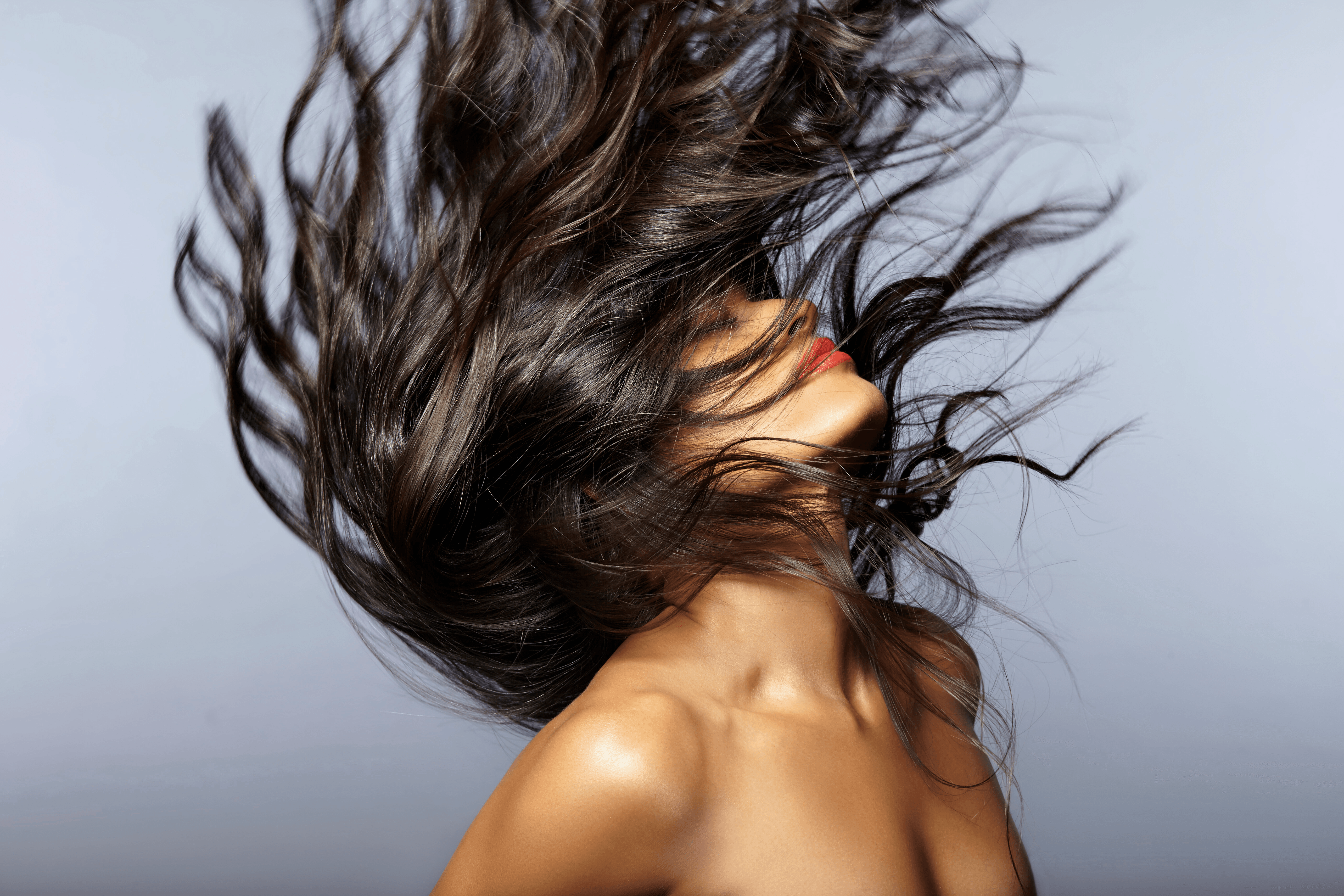
Hair loss in women can be a distressing and emotionally challenging experience, often leading to a decline in self-esteem, confidence, and overall quality of life. While shedding a few hairs daily is normal, persistent or sudden hair loss can signal underlying issues that need attention. The experience can be isolating, but understanding the common causes and potential treatments can empower women to take control and find solutions.
Understanding why hair loss occurs is the first step in addressing the issue effectively. Hormonal changes due to pregnancy, menopause, or medical conditions such as polycystic ovary syndrome (PCOS) can play a significant role in hair thinning. Nutritional deficiencies, particularly a lack of essential vitamins and minerals such as iron, zinc, and biotin, can also contribute to weakened hair. Additionally, chronic stress and lifestyle factors such as poor sleep or excessive styling can exacerbate hair loss.
In this comprehensive guide, we’ll explore the most common causes of hair loss in women, including genetics, hormonal imbalances, and health conditions, while also examining effective medical and natural remedies. From topical treatments and prescription medications like minoxidil to proven home remedies involving oils, masks, and nutritional changes, we’ll cover practical approaches for promoting hair growth and boosting hair health. By incorporating these insights and solutions into your routine, you can begin to reclaim confidence and feel empowered to manage hair loss and support a fuller, healthier mane.
Whether you’re experiencing minor shedding or more severe hair loss, this article will provide you with the knowledge needed to navigate your journey towards stronger, healthier hair.
Common Causes of Hair Loss in Women
Hormonal Changes: Hormonal fluctuations due to pregnancy, menopause, or conditions like polycystic ovary syndrome (PCOS) can lead to thinning hair.
Genetics: Family history plays a significant role in hair loss. Female pattern baldness is hereditary and can manifest as thinning hair or bald spots.
Stress: Physical or emotional stress can trigger a type of hair loss called telogen effluvium, where hair follicles enter a resting phase.
Nutritional Deficiencies: Lack of essential nutrients like iron, zinc, and vitamins can weaken hair strands and lead to shedding.
Medical Conditions: Conditions such as thyroid disorders, autoimmune diseases, and scalp infections can contribute to hair loss.
When to Seek Professional Advice
While effective hair care products can greatly improve the health of your hair, persistent hair loss in women may indicate an underlying health issue such as hormonal imbalance, nutritional deficiencies, or other medical conditions. Consulting with a dermatologist or trichologist can help pinpoint the cause and guide you to the right treatment plan for your specific needs.
By incorporating these tailored product choices and expert recommendations into your hair care routine, you can take proactive steps toward a healthier scalp and fuller hair.
Effective Treatments for Hair Loss in Women
Treating hair loss depends on the underlying cause. Here are some common treatment options:
Minoxidil (Rogaine): A topical solution approved by the FDA for treating hair loss. It stimulates blood circulation in the scalp and encourages hair growth.
Prescription Medications: Finasteride (Propecia) and other oral medications are used in cases where hormonal imbalances are the cause of hair loss.
Hair Transplant Surgery: A surgical option that involves moving hair follicles from one area of the scalp to another.
Laser Therapy: Low-level laser therapy (LLLT) can promote hair growth by improving blood flow and cellular metabolism.
Lifestyle Changes: Reducing stress through yoga, meditation, and other relaxation techniques can support a healthier hair growth cycle.
Expert Tips for Choosing the Right Hair Care Products
Selecting the right hair care products can be daunting given the vast array of options available. To maximize the benefits, it’s important to consider your specific hair type, whether it’s dry, oily, or prone to breakage. Here are some expert tips for making the right choices:
Read Labels and Ingredients Carefully: Pay attention to key ingredients like biotin, which supports keratin production, and antioxidants such as vitamin C that help repair damaged hair. Steer clear of harsh chemicals like sulfates and parabens that can lead to further hair damage and hair loss.
Natural vs. Chemical Products: While some products containing natural oils like coconut, argan, and jojoba are excellent for moisturizing and nourishing the scalp and hair, certain chemical-based treatments like minoxidil have been proven to stimulate hair regrowth.
Customizing Your Hair Care Routine: Hair care is not one-size-fits-all. Women with thinning hair may benefit from a lighter shampoo and a nutrient-rich conditioner that does not weigh the hair down. Weekly masks should be incorporated based on the condition of your hair to strengthen and protect it from daily damage.
Consistency is Key: Even the best hair care products won’t show their full potential without consistent use. Stick to a routine that includes shampooing, conditioning, and applying treatments, giving products enough time to work effectively.
Top Hair Care Products for Nourishment and Growth
To combat hair loss effectively, consider incorporating the following products into your hair care routine:
Shampoos:
Nioxin Cleanser Shampoo: This shampoo is designed to remove follicle-clogging sebum and environmental residues from the scalp.
Living Proof Full Shampoo: Known for its ability to create the appearance of fuller hair while gently cleansing.
Hair Masks:
Olaplex Hair Perfector No. 3: A popular treatment that strengthens and repairs damaged hair.
Amika Soulfood Nourishing Hair Mask: This mask hydrates and revitalizes dry strands, making it ideal for weekly use.
Serums:
Champo The Pitta Growth Serum: This serum aims to improve the appearance and strength of hair while providing hydration.
Briogeo Don’t Despair, Repair!™ Strength + Moisture Leave-In Mask: A leave-in treatment that provides moisture and reduces breakage.

Home Remedies and Natural Treatments
Many women opt for natural remedies to complement professional treatments and support overall hair health:
Essential Oils: Oils like rosemary, peppermint, and lavender are known for their properties that stimulate hair growth and improve scalp circulation.
Aloe Vera: Offers soothing and hydrating properties for the scalp, promoting hair health and preventing dryness.
Coconut Oil: Rich in fatty acids and nutrients, coconut oil can help moisturize the scalp and reduce hair protein loss.
Herbal Treatments: Using herbal infusions such as hibiscus and ginseng can support healthy hair and scalp conditions.
Dietary Boosts: Incorporating foods rich in vitamins and minerals, such as leafy greens, fatty fish, eggs, and nuts, can nourish the hair from the inside out.
Scalp Massage: Regular scalp massages can help stimulate blood circulation, which may promote hair growth.
Tips for Maintaining Healthy Hair
Gentle Hair Care: Use sulfate-free shampoos and avoid harsh treatments that weaken hair strands.
Balanced Diet: Ensure a diet rich in essential vitamins and minerals for optimal hair health.
Hydration: Staying hydrated helps keep the scalp and hair follicles healthy.
Avoid Over-Styling: Minimize the use of heat tools and avoid tight hairstyles that pull on the hair and scalp.
Final Thoughts
While hair loss can be distressing, knowledge and proactive measures can help manage it effectively. Whether choosing medical treatments, natural remedies, or lifestyle adjustments, a tailored approach can help restore hair confidence and support overall scalp health. Consulting with a dermatologist or trichologist can provide personalized guidance based on individual needs.
For more beauty and hair care tips, follow @beautyblisstips on Instagram! Stay updated with the latest trends and expert advice for healthy, beautiful hair.



Leave a Reply