

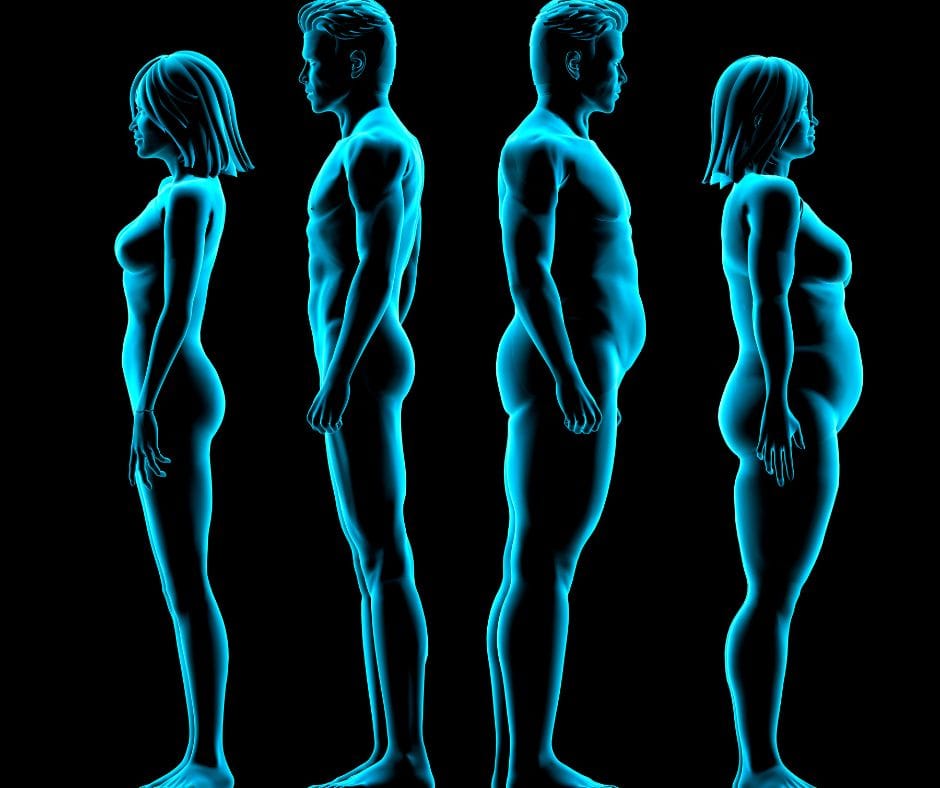
Have you ever wondered why some people seem to effortlessly achieve their fitness goals while others struggle? It turns out that understanding your body type is the key to unlocking your fitness potential. Whether you are aiming to build muscle, lose weight, or enhance your overall health, tailoring your approach to match your unique body type can make all the difference.
The American Council on Exercise (ACE) identifies three primary body types: ectomorphs, who are lean and long; mesomorphs, who are muscular and well-built; and endomorphs, who have a higher body fat percentage.
In this comprehensive guide, I will take you on a journey to discover the different body types and how they influence your fitness journey. We will explore the science behind somatotypes, delve into the characteristics of the three main body types, and provide you with tailored strategies for exercise and nutrition based on your body type.
Are you ready to uncover the secrets to optimizing your fitness based on your individual shape? Let’s dive in!

Key Takeaways:
- Understanding your body type is crucial for achieving desired fitness results.
- Somatotypes classify body types based on physical characteristics and metabolism.
- Ectomorphs, mesomorphs, and endomorphs have distinct traits and require customized approaches to exercise and nutrition.
- Self-assessment tools can help determine your body classification.
- Optimizing your workout and nutrition according to your body structure is essential for progress.
Introduction to Somatotypes and Their Influence on Fitness
Somatotypes play a significant role in how our bodies respond to exercise and nutrition. These classifications, namely ectomorph, mesomorph, and endomorph, are based on physical characteristics and metabolism. By understanding the influence of somatotypes on fitness, individuals can tailor their workouts and diet plans to achieve optimal results.
Ectomorphs have a slender physique with a fast metabolism, making it challenging for them to gain weight or build muscle mass. Mesomorphs have a naturally muscular build and find it easier to gain and maintain muscle compared to other body types. Endomorphs have a tendency to store more body fat and may face challenges in losing weight.
Each somatotype requires specific training and nutrition strategies to maximize their fitness potential. This article will provide valuable insights and recommendations tailored for each body type, enabling individuals to optimize their fitness journey based on their unique somatotype.
The Three Main Body Types Explained
In this section, we will delve into the three main body types – ectomorphs, mesomorphs, and endomorphs – and their distinct characteristics. Understanding these body types is crucial for tailoring fitness routines and achieving optimal results.
Ectomorph: The Lean and Fast-Metabolism Type
Ectomorphs are individuals who have a slender and lean physique, often characterized by narrow hips, shoulders, and joints. They tend to have a fast metabolism, making it challenging for them to gain weight or build muscle mass. To overcome these challenges, ectomorphs require specific exercise strategies and nutrition tips that are tailored to their unique body type.

Mesomorph: The Naturally Muscular Build
Mesomorphs are individuals who naturally have a muscular build, characterized by well-defined muscles, an athletic frame, and a moderate metabolism. Compared to other body types, mesomorphs have an easier time gaining and maintaining muscle mass. To optimize their fitness journey, mesomorphs benefit from training tips and diet recommendations that leverage their inherent advantages.
Endomorph: The Tendency Towards More Body Fat
Endomorphs are individuals who have a higher tendency to store body fat, often characterized by a rounder appearance, wider hips, and a slower metabolism. They may find it more challenging to lose weight and need to adopt specific strategies to achieve their fitness goals. This section will focus on weight loss and fitness approaches specifically designed for endomorphs, providing them with the guidance they need to succeed.
Determining Your Body Classification Through Self-Assessment
In order to accurately determine your body classification, it is important to undergo a self-assessment. By answering specific questions related to your body shape, weight patterns, and bone structure, you can gain valuable insights into whether you lean more towards being an ectomorph, mesomorph, or endomorph. This self-assessment tool will serve as a guide to help you tailor your fitness journey according to your body type.
To begin the self-assessment, take the time to reflect on the following factors:
- Your body shape: Are you predominantly lean and slender, naturally muscular, or tend to carry more body fat?
- Your weight patterns: Do you find it challenging to gain weight, have a relatively stable weight, or have a tendency to gain weight easily?
- Your bone structure: Are your bones delicate and narrow, moderate in size, or wider and heavier?
By honestly evaluating these aspects of your body, you can gain a better understanding of your body classification. Keep in mind that it is normal to exhibit characteristics from more than one body type, but typically, one type will dominate.
Once you have completed the self-assessment, you will have a clearer picture of your body classification. This knowledge will empower you to make informed decisions about your fitness routine, including the most suitable exercise strategies and nutrition recommendations that align with your body type.
Optimizing Your Workout According to Your Body Structure
Once individuals have determined their body type, it is important to optimize their workout routines accordingly. By understanding how their body structure influences their fitness journey, individuals can make the most out of their workouts.
Effective Exercise Strategies for Ectomorphs
Ectomorphs have unique challenges when it comes to building muscle and gaining weight. To overcome these challenges, it is crucial for ectomorphs to focus on muscle hypertrophy, strength training, and optimal recovery. By incorporating exercises that promote muscle growth and utilizing progressive overload techniques, ectomorphs can stimulate muscle development. Additionally, ensuring sufficient rest and proper nutrition are essential for their workout success.
Training Tips for Mesomorphs
Mesomorphs have a natural advantage when it comes to building muscle and staying fit. To maximize their athletic potential, mesomorphs can engage in various workout modalities and techniques. Incorporating both resistance training and cardiovascular exercises can help mesomorphs maintain their muscular build while enhancing cardiovascular health. Furthermore, including dynamic movements and interval training can add variety and intensity to their workouts, further optimizing their fitness level.
Weight Loss and Fitness Approaches for Endomorphs
Endomorphs may face challenges in losing weight and reducing body fat. To overcome these challenges, endomorphs should adopt effective weight loss and fitness approaches tailored specifically for their body type. This includes incorporating regular cardio exercises to burn calories and improve cardiovascular health. Resistance training is also essential for building lean muscle mass, which helps boost metabolism. Additionally, paying attention to nutrition and following a balanced, calorie-controlled diet can support endomorphs in achieving their weight loss goals.
Nutrition and Diet Considerations for Different Body Types
Proper nutrition and diet play a crucial role in achieving fitness goals. In order to optimize your fitness journey, it is important to understand how different body types metabolize nutrients. Whether you are an ectomorph, mesomorph, or endomorph, tailoring your diet plan to your specific body type can enhance your results.
Ectomorphs, with their fast metabolism, often struggle to gain weight or build muscle mass. To support their fitness goals, ectomorphs should focus on consuming a balanced diet that incorporates an adequate amount of proteins, carbohydrates, and healthy fats. Individuals with this body type may benefit from eating frequent, nutrient-dense meals throughout the day to ensure an adequate calorie intake.
Mesomorphs, on the other hand, typically have a natural advantage when it comes to building and maintaining muscle mass. For optimal results, mesomorphs should focus on a protein-rich diet to support muscle growth and recovery. Additionally, incorporating complex carbohydrates and healthy fats can provide the necessary energy for intense workouts.
Endomorphs often have a slower metabolism and a higher tendency to store body fat. To achieve their fitness goals, endomorphs should prioritize a diet that is high in lean protein, fiber, and healthy fats while limiting their intake of refined sugars and processed foods. Incorporating regular physical activity, including both cardiovascular exercises and strength training, can also help endomorphs achieve and maintain a healthy weight.
By understanding the unique nutritional needs of your body type and making targeted adjustments to your diet plan, you can optimize your fitness journey and achieve the desired results.
Female-Specific Considerations: Kibbe Body Types and Yin Yang Philosophy
When it comes to fitness, women have unique body types and specific considerations to take into account. Understanding and embracing these differences can help women develop a positive body image and customize their fitness routines accordingly. In this section, we will explore two important factors that play a significant role in understanding and enhancing female body types: the Kibbe body types and the Yin Yang philosophy.
- Kibbe Body Types: The Kibbe body typing system is a method of categorizing and understanding different female body shapes. Developed by David Kibbe, this system recognizes that women have diverse physical characteristics that go beyond just size or weight. It considers factors such as bone structure, proportions, and the overall essence of a woman’s appearance. By identifying your Kibbe body type, whether it’s soft dramatic, natural, classic, or any other categorization, you can gain insights into the types of clothing, hairstyles, and workout routines that will enhance your natural beauty.
- Yin Yang Philosophy: The Yin Yang philosophy, rooted in ancient Chinese philosophy, emphasizes the balance between opposing forces. In the context of female body types, the Yin Yang philosophy acknowledges that women possess both yin (feminine) and yang (masculine) qualities. By understanding how these qualities manifest in your body, you can create a harmonious approach to your fitness journey. For example, women with more yin qualities may benefit from exercises that focus on flexibility, grace, and fluidity, while those with more yang qualities may excel in strength and power-oriented workouts.
By incorporating the Kibbe body types and the Yin Yang philosophy into your fitness routine, you can align your workouts, clothing choices, and overall approach to fitness with your unique body type. This holistic understanding of female body types will empower you to embrace your natural beauty and optimize your fitness journey.

Conclusion
In conclusion, understanding your body type is crucial for optimizing your fitness journey. Throughout this comprehensive guide, we have explored the different body types – ectomorph, mesomorph, and endomorph – and how they impact fitness and overall health. By recognizing and embracing your unique body type, you can tailor your nutrition and workout routines to achieve the desired results.
For ectomorphs, focusing on muscle hypertrophy, strength training, and proper recovery will help in building muscle mass. Mesomorphs, with their natural advantage in building muscle, can maximize their potential through various training techniques. Endomorphs, on the other hand, can benefit from weight loss approaches that include cardio exercises, resistance training, and balanced nutrition.
Nutrition also plays a crucial role in your fitness journey. Understanding how your body type metabolizes nutrients allows you to optimize your diet plan. By integrating these strategies and recommendations into your lifestyle, you can embark on a fitness journey that aligns with your specific needs and goals.
Remember, there is no one-size-fits-all approach to fitness. Embrace your unique body type, make informed choices, and stay consistent on your path towards a healthier and fitter you.
FAQ
What are body types?
Body types, also known as somatotypes, refer to the classification of individuals based on physical characteristics and metabolism. These classifications, including ectomorph, mesomorph, and endomorph, influence how our bodies respond to exercise and nutrition.
What is an ectomorph?
Ectomorphs are individuals with a lean physique and a fast metabolism. They typically have narrow hips, shoulders, and joints, and may find it challenging to gain weight or build muscle mass.
What is a mesomorph?
Mesomorphs are individuals with a naturally muscular build. They have well-defined muscles, an athletic frame, and a moderate metabolism, making it easier for them to gain and maintain muscle mass.
What is an endomorph?
Endomorphs are individuals who have a higher tendency to store body fat. They have a rounder appearance, wider hips, and a slower metabolism, making it more challenging for them to lose weight.
How can I determine my body classification?
You can determine your body classification through a self-assessment. By answering specific questions related to body shape, weight patterns, and bone structure, you can identify whether you lean more towards being an ectomorph, mesomorph, or endomorph.
How can I optimize my workout routine based on my body type?
To optimize your workout routine based on your body structure, you should tailor your exercises accordingly. Ectomorphs can focus on muscle hypertrophy and strength training, mesomorphs can maximize their athletic potential through various workout modalities, and endomorphs can incorporate weight loss and strength training exercises.
What nutrition and diet considerations should I have for my body type?
Nutrition and diet considerations vary depending on your body type. Ectomorphs may need to increase their caloric intake and focus on nutrient-dense foods, mesomorphs can maintain a balanced diet to support muscle growth, and endomorphs should focus on portion control and include more whole foods in their diet.
Are there specific fitness considerations for women?
Yes, women have unique body types and specific considerations when it comes to fitness. The Kibbe body types categorize female body shapes, and the Yin Yang philosophy can guide women in embracing and enhancing their natural body types.





Leave a Reply