

Do you want to know how to check if you are in ketosis? Wondering if all your efforts to maintain a ketogenic lifestyle are paying off? Well, I have some great news for you. There are quick and easy methods to verify your ketosis status, giving you the confidence to know that your body is burning fat efficiently.
Whether you are just starting your ketogenic journey or have been following this low-carb, high-fat diet for a while, determining your ketosis status is essential. It not only helps you gauge your progress but also allows you to make any necessary adjustments to your diet or lifestyle to stay on track.
In this section, I will share various methods and strategies for a quick and easy ketosis check. By the end of this article, you’ll have the knowledge and tools to verify if you’re in ketosis, right in the comfort of your own home. So, let’s dive in and get started on your ketosis confirmation journey!

Key Takeaways:
- Verifying your ketosis status is important for tracking progress and making adjustments to your ketogenic journey.
- There are quick and easy methods available to check if you are in a state of ketosis.
- By the end of this article, you’ll have the knowledge and tools to confidently determine your ketosis status at home.
- Knowing whether you are in ketosis allows you to make necessary adjustments to your diet and lifestyle for optimal results.
- Stay tuned to discover the various strategies and methods for a quick and easy ketosis check!
Understanding Ketosis: A Metabolic State of Burning Fat
In this section, I will provide a comprehensive understanding of ketosis, its mechanism in the body, and the benefits it offers. We will also explore the difference between ketosis and the potentially dangerous condition known as ketoacidosis, ensuring that you can safely practice the keto diet.
What Is Ketosis and How It Works
Ketosis is a natural metabolic process that occurs when your body doesn’t have enough carbohydrates to burn for energy. Instead, it starts breaking down stored fat into ketones, which are used as an alternative fuel source. This shift in fuel utilization leads to ketosis, where your body primarily relies on fat for energy.
The key to achieving ketosis is consuming a low-carbohydrate, high-fat diet. By reducing your carbohydrate intake, your body is forced to enter a state of ketosis, where it becomes efficient at burning fat for energy.
During ketosis, ketones are produced in the liver from fatty acids. These ketones can be used by the brain, muscles, and other tissues as a source of energy. This metabolic adaptation allows the body to tap into its fat stores and burn fat more effectively.
Benefits of Being in Ketosis: From Weight Loss to Better Health
Being in a state of ketosis offers several benefits beyond just weight loss. Here are some of the key advantages:
- Weight Loss: Ketosis can lead to significant weight loss by promoting the breakdown of stored fat and reducing hunger and cravings.
- Improved Mental Clarity: Many individuals report enhanced focus, mental clarity, and cognitive function when in ketosis.
- Increased Energy: By utilizing fat as the primary fuel source, ketosis can provide a steady supply of energy throughout the day.
- Better Blood Sugar Control: Ketosis can improve insulin sensitivity and help stabilize blood sugar levels, making it beneficial for individuals with diabetes or insulin resistance.
- Reduced Inflammation: Ketosis has been shown to have anti-inflammatory effects, which may help alleviate symptoms of chronic inflammatory conditions.
- Lower Risk of Chronic Diseases: Some research suggests that ketosis may have a protective effect against various chronic diseases, such as heart disease and certain types of cancer.
These are just a few of the many benefits that can be experienced when your body is in a state of ketosis.
Ketosis versus Ketoacidosis: Ensuring Safe Practicing of Keto Diet
It’s important to differentiate between ketosis and ketoacidosis, as they are distinct states with different implications for health. Ketosis is a natural metabolic process that occurs when following a well-formulated ketogenic diet. On the other hand, ketoacidosis is a life-threatening condition that typically occurs in individuals with uncontrolled diabetes.
Ketosis is a safe and adaptive state that the body enters in response to a low-carbohydrate, high-fat diet. In contrast, ketoacidosis is a dangerous condition characterized by extremely high levels of ketones and acidosis.
Individuals without diabetes are unlikely to develop ketoacidosis, even when following a ketogenic diet. However, if you have diabetes or any other underlying health condition, it’s important to consult with a healthcare professional before embarking on a ketogenic diet to ensure your safety.
Understanding the difference between ketosis and ketoacidosis is crucial for practicing the keto diet safely and effectively.
How to Check If You Are in Ketosis
There are different methods available to check if you are in a state of ketosis. Whether you prefer simple at-home tests or more advanced options, determining your ketosis status is essential in managing your ketogenic journey effectively. Let’s explore these methods:
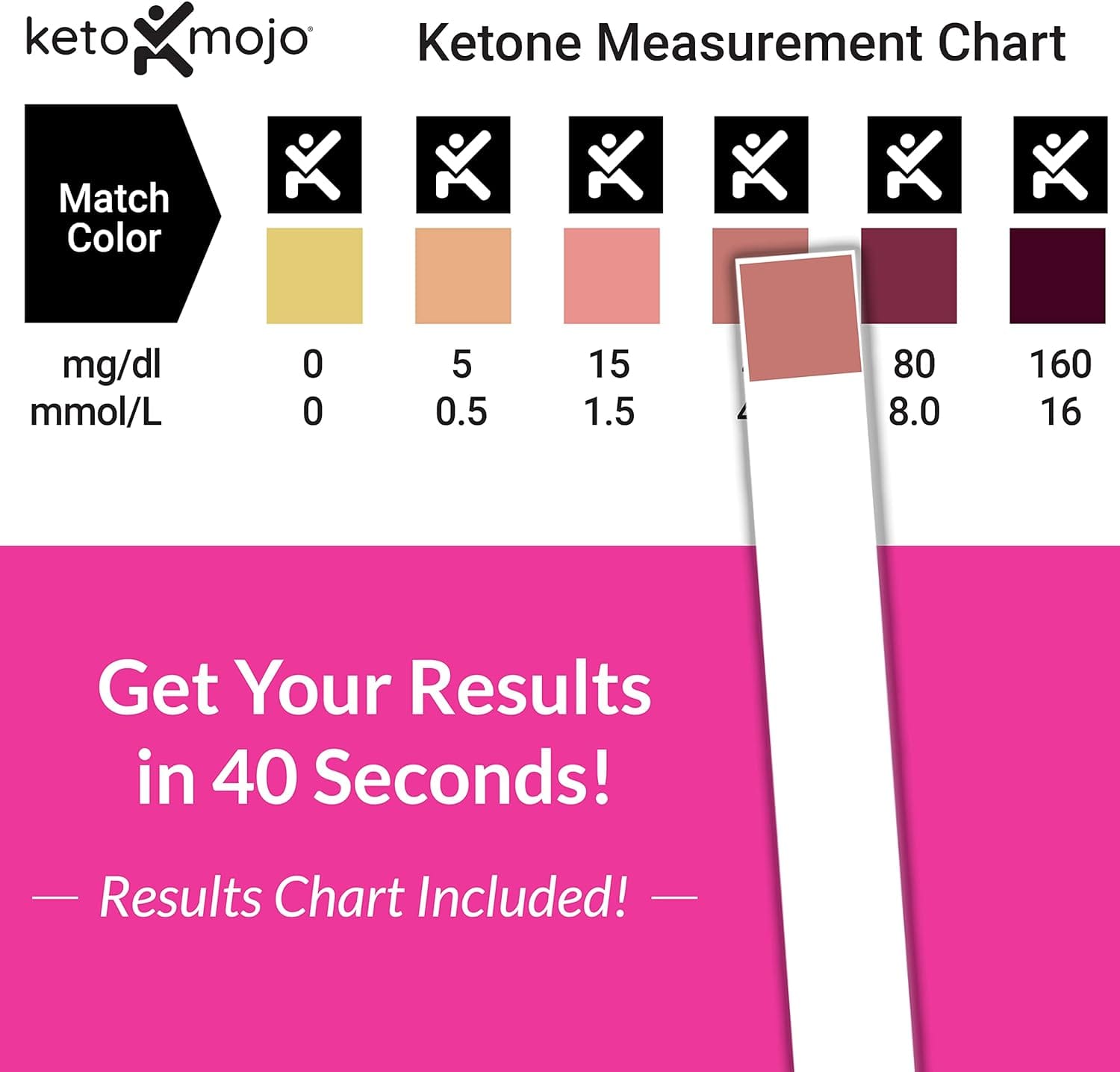
- Urine Ketone Test: One of the most common and affordable ways to test for ketosis is through urine ketone strips. These strips detect the presence of ketones in your urine, indicating that you are in a state of ketosis. Simply hold the strip in your urine stream and compare the color change to the provided chart for results. However, it’s important to note that urine ketone tests may not be as accurate or reliable as other methods.
- Blood Ketone Meter: For a more precise measurement of your ketosis level, you can use a blood ketone meter. This device measures the concentration of ketones in your blood by pricking your finger and collecting a small blood sample. Blood ketone meters provide real-time and accurate ketone readings, making them a popular choice among individuals on the ketogenic diet.
- Breath Acetone Analyzer: Another option to determine your ketosis status is a breath acetone analyzer. This portable device measures the concentration of acetone in your breath, which correlates with the level of ketones in your body. By simply blowing into the device, you can quickly obtain your ketosis reading.
Each method has its advantages and considerations, so it’s important to choose the one that best suits your needs and preferences. Keep in mind that ketosis levels can vary depending on factors such as your diet, exercise routine, and overall health.

Identifying Common Ketosis Symptoms and Keto Diet Indicators
Recognizing and understanding the symptoms and indicators of ketosis is essential for anyone following a keto diet. These signs can help you determine whether your body has successfully entered a state of ketosis, where it is burning fat for fuel instead of carbohydrates. In this section, we will explore some common symptoms of ketosis, including the telltale sign of keto breath. We will also discuss different methods for measuring ketosis, such as using keto strips and blood ketone meters, to accurately monitor your progress.
Recognizing Keto Breath and Other Physical Signs
Keto breath is a distinctive and often unpleasant odor that can occur when your body is in ketosis. It is often described as a fruity or acetone-like smell. This is caused by increased ketone production, particularly acetone, which is released through your breath. While keto breath may not be the most pleasant side effect, it can serve as a reliable indicator that you are in ketosis.
In addition to keto breath, there are other physical signs that may suggest you are in a state of ketosis. These signs include:
- Rapid weight loss
- Decreased appetite
- Increased energy and mental clarity
- Reduced cravings for carbohydrates
- Improved exercise performance
It’s important to note that not everyone will experience all of these physical signs, and their presence can vary from person to person. However, if you are consistently experiencing a combination of these symptoms, it is likely that you are in ketosis.
Measuring Ketosis: From Keto Strips to Blood Ketone Meters
While recognizing symptoms and physical signs can provide some indication of ketosis, it is essential to have a more accurate measurement method for tracking your progress. This is where various measuring tools come into play.
Keto strips, also known as urine test strips, are one of the most common and convenient methods for measuring ketosis at home. These strips detect the presence of ketones in urine by changing color. The level of ketones indicated on the strip can give you an estimate of your current ketosis status. However, it’s important to note that urine ketone levels may not always accurately reflect your actual ketone levels in the bloodstream.
An alternative and more accurate method for measuring ketosis is through the use of blood ketone meters. These meters measure the concentration of ketones in your blood by pricking your finger and using a small blood sample. Blood ketone meters provide real-time and accurate ketone measurements, allowing for a more precise assessment of your ketosis status. While blood ketone meters may be more expensive than keto strips, they offer greater reliability and accuracy.
Ultimately, the choice of measuring method will depend on your individual preferences and budget. Whether you opt for keto strips or blood ketone meters, regularly monitoring your ketosis levels can help you stay on track and make any necessary adjustments to your keto diet.
Ketone Test Strips: A Simple Solution for Testing at Home
When it comes to monitoring your ketosis status, at-home ketosis testing offers a quick and convenient solution. One of the most popular methods for testing ketosis at home is through the use of ketone test strips. These strips are designed to detect the presence of ketones in the urine, providing you with valuable insights into your level of ketosis.
Using ketone test strips is incredibly simple. All you need to do is dip the strip into a fresh sample of your urine and wait for a few seconds. The strip will then change color, indicating the level of ketones present in your body. The results can be interpreted by comparing the strip’s color to a provided color chart.
It’s important to note that ketone test strips measure the ketones that your body has excreted through urine. While they are a convenient option for at-home testing, they may not provide the most accurate reflection of your current ketosis level. Factors such as hydration and kidney function can affect the concentration of ketones in your urine, potentially leading to inconsistent results.
Despite their limitations, ketone test strips can still be a useful tool for those following a ketogenic diet. They allow you to quickly and easily track your progress and make adjustments to your diet and lifestyle as needed.

Alternatives to Ketone Strips for At-Home Ketosis Testing
It’s worth noting that ketone test strips are not the only method available for at-home ketosis testing. Blood ketone meters, which measure ketone levels in the blood, offer a more accurate and reliable alternative. However, they can be more expensive and require pricking your finger to obtain a blood sample.
In conclusion, ketone test strips provide a simple and accessible solution for testing your ketosis status at home. While they may have some limitations, they can still offer valuable insights into your level of ketosis.
Achieving and Monitoring Optimum Ketone Levels
In order to optimize your ketosis journey and make the most of the benefits it offers, it is crucial to achieve and maintain optimum ketone levels. Whether your goal is weight loss or improving overall health, understanding the ideal ketone levels to aim for is essential.
Optimal Ketone Levels for Weight Loss and Health
The ideal range of ketone levels for weight loss may vary depending on individual factors such as metabolism and activity level. However, generally speaking, a range of 0.5 to 3.0 millimoles per liter (mmol/L) is considered optimal for achieving weight loss through ketosis.
When it comes to overall health and the therapeutic benefits of ketosis, higher ketone levels are often recommended. Many experts suggest aiming for ketone levels between 1.0 and 3.0 mmol/L for optimal health benefits.
How Diet and Lifestyle Influence Ketone Production
The production of ketones is influenced by various factors, including diet and lifestyle choices. Following a strict ketogenic diet that is low in carbohydrates and moderate in protein is crucial for promoting ketone production. By restricting carbohydrate intake, your body is forced to rely on fat as its primary fuel source, leading to increased ketone production.
In addition to diet, certain lifestyle factors can also impact ketone production. Regular exercise, adequate sleep, and managing stress levels play important roles in maintaining optimal ketone levels.
Adjusting Your Keto Diet for Better Results
While being in ketosis offers numerous benefits, it’s worth noting that everyone’s body is unique and may respond differently to the ketogenic diet. If you are not achieving the desired ketone levels or experiencing the desired weight loss, it may be necessary to make adjustments to your keto diet.
Here are a few strategies to consider:
- Reduce carbohydrate intake: If your ketone levels are not reaching the optimal range, try further reducing your carbohydrate intake. This may require eliminating or minimizing certain high-carb foods.
- Adjust protein intake: Protein intake should be moderate on a ketogenic diet. Excessive protein consumption can inhibit ketone production. Consider adjusting your protein intake if needed.
- Increase healthy fat intake: Increasing your consumption of healthy fats, such as avocados, nuts, and olive oil, can help promote ketone production and maintain optimal ketone levels.
- Experiment with intermittent fasting: Intermittent fasting can enhance ketosis by extending the period of time your body spends in a fasted state. This can increase ketone production and improve weight loss results.
By monitoring your ketone levels and making appropriate adjustments to your keto diet, you can optimize your ketosis journey and achieve your desired outcomes.
Conclusion
In conclusion, this article has provided an overview of various methods and strategies to verify your ketosis status quickly and easily. By understanding these verification methods, you can confidently manage your ketogenic journey and work towards achieving your health goals.
We explored the concept of ketosis and how it works in the body, discussing the benefits it offers for weight loss and overall health. It is essential to differentiate between ketosis and ketoacidosis, ensuring the safe practice of the keto diet.
To determine if you are in a state of ketosis, we discussed different testing methods, including at-home tests, keto strips, and blood ketone meters. These methods can help you track your ketosis levels accurately.
In addition, we highlighted common symptoms and indicators of ketosis, such as keto breath, and discussed the significance of measuring ketosis. Ketone test strips can be a simple and convenient solution for testing your ketosis status at home.
To achieve and maintain optimal ketone levels, it is important to understand how diet and lifestyle factors influence ketone production. Adjustments to your keto diet can be made to improve your results and maximize the benefits of being in ketosis.
In summary, by employing the methods and strategies discussed in this article, you can effectively verify your ketosis status, stay on track with your ketogenic journey, and ultimately achieve your desired health outcomes.
FAQ
How can I verify my ketosis status?
There are several methods you can use to check if you are in ketosis. These include urine, blood, and breath tests that measure ketone levels in your body.
What is ketosis and how does it work?
Ketosis is a metabolic state in which your body burns fat for fuel instead of carbohydrates. It occurs when you consume a low-carbohydrate, high-fat diet, prompting your liver to produce ketones for energy.
What are the benefits of being in ketosis?
Being in ketosis offers numerous benefits, including weight loss, increased energy levels, improved mental clarity, reduced inflammation, and better blood sugar control.
What is the difference between ketosis and ketoacidosis?
Ketosis is a natural metabolic state that occurs when you consume a low-carbohydrate, high-fat diet. Ketoacidosis, on the other hand, is a potentially dangerous condition that primarily affects individuals with type 1 diabetes or those with uncontrolled diabetes.
How can I check if I am in ketosis?
You can check if you are in ketosis by measuring ketone levels in your body. This can be done using urine ketone test strips, blood ketone meters, or breath ketone analyzers.
What are some common symptoms and indicators of ketosis?
Common symptoms and indicators of ketosis include increased urination, decreased appetite, weight loss, keto breath (a fruity or acetone-like odor), improved mental focus, and increased energy levels.
How can I measure ketosis?
Ketosis can be measured using urine ketone test strips, blood ketone meters, or breath ketone analyzers. These methods help determine the presence and concentration of ketones in your body.
How do ketone test strips work?
Ketone test strips are a simple and convenient solution for testing ketosis at home. You can urinate on the strip, and it will change color to indicate the presence and concentration of ketones in your body.
What are the ideal ketone levels for weight loss and health?
The ideal ketone levels for weight loss typically range from 0.5 to 3.0 millimoles per liter (mmol/L). However, it is important to note that the optimal ketone range may vary for each individual and their specific health goals.
How do diet and lifestyle factors influence ketone production?
Diet and lifestyle factors, such as consuming a low-carbohydrate, high-fat diet and engaging in regular physical activity, can enhance ketone production. Conversely, consuming too many carbohydrates or excessive protein can inhibit ketone production.
How can I adjust my keto diet for better results?
To maximize results, you can adjust your keto diet by ensuring you have an appropriate macronutrient ratio (high fat, moderate protein, low carbohydrates), staying adequately hydrated, managing stress levels, and incorporating nutrient-dense foods into your meals.





Leave a Reply