

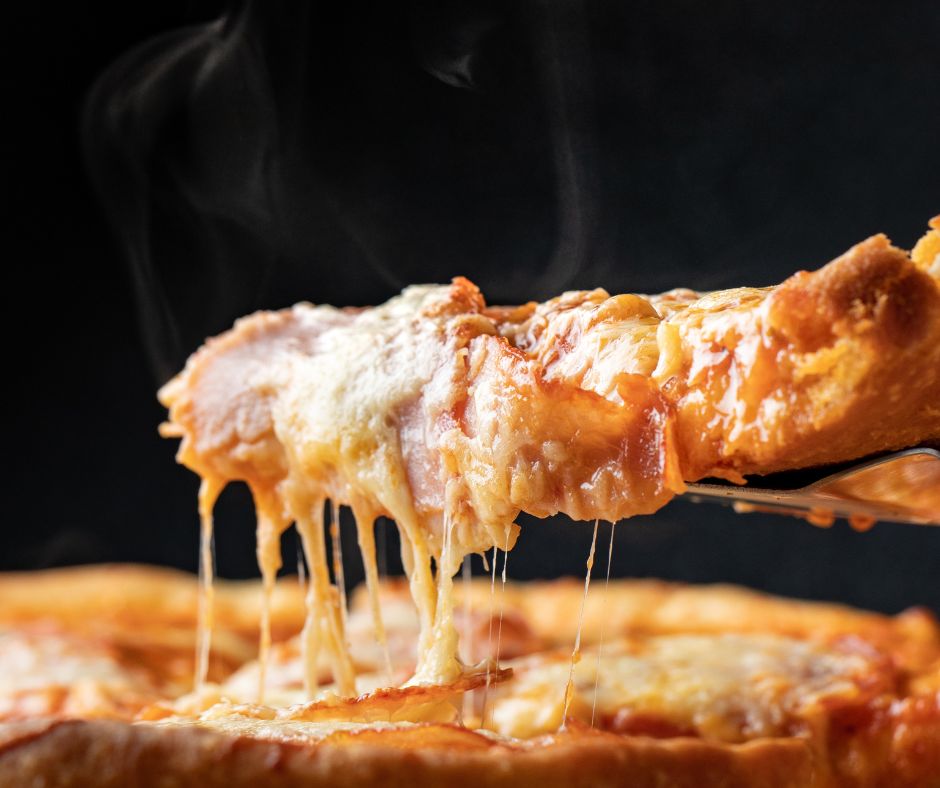
Ever wonder how to lose pounds eating pizza? Have you ever wished that you could indulge in your favorite comfort food while still shedding those extra pounds? Well, what if I told you that you can actually lose weight while enjoying pizza? Yes, you read that right! Contrary to common beliefs, pizza can be a part of a healthy weight loss plan. In this article, I will share with you the strategies and tips to incorporate pizza into your diet and still achieve your weight loss goals. So, let’s dive in and discover the surprising truth about pizza and dieting!

The U.S. Department of Agriculture (USDA) states that on any given day, about 13% of Americans consume pizza.
Key Takeaways:
- It is possible to lose weight while eating pizza if you follow a balanced and moderate approach.
- The pizza diet is based on the concept of calorie deficit and portion control.
- Myths about pizza being unhealthy or incompatible with weight loss are debunked.
- Designing a personalized pizza weight loss plan takes into account individual preferences and nutritional needs.
- Incorporating nutrient-dense toppings and practicing portion control are key strategies for a healthy pizza diet.
The Surprising Truth About Pizza and Dieting
When it comes to weight loss, pizza is often seen as a forbidden indulgence. However, there is a growing trend known as the pizza diet that challenges this notion. The pizza diet offers a unique approach to weight loss by incorporating pizza into a balanced eating plan. In this section, I will delve into the understanding of the pizza diet phenomenon, debunk some common myths, and highlight the importance of moderation in a pizza diet.
Understanding the Pizza Diet Phenomenon
The pizza diet has gained significant traction in recent years, with many individuals experiencing successful weight loss while still enjoying their favorite food. It involves incorporating pizza into a calorie-controlled diet, where the focus is on portion control and balanced nutrition. This approach allows pizza lovers to indulge in their cravings while still working towards their weight loss goals.

Debunking Myths: Can You Really Lose Weight Eating Pizza?
There is a common misconception that pizza is inherently unhealthy and incompatible with a weight loss plan. However, this couldn’t be further from the truth.
While it is true that certain pizzas can be high in calories, making informed choices and practicing moderation can make pizza fit into a healthy diet. When enjoyed in moderation and paired with nutrient-dense toppings, pizza can be a satisfying and nutritious option for those looking to shed pounds.
The Role of Moderation in a Pizza Diet
To successfully incorporate pizza into a weight loss plan, moderation is key. By managing portion sizes and balancing pizza consumption with other healthy foods, it’s possible to create a sustainable and balanced pizza diet. Additionally, portion control techniques such as using smaller plates, measuring servings, and practicing mindful eating can help in maintaining a caloric deficit while enjoying pizza.
Understanding the pizza diet phenomenon, debunking myths surrounding pizza and weight loss, and embracing moderation are vital components of a successful pizza diet. In the next section, we will explore how to design a personalized pizza weight loss plan that suits your individual preferences and nutritional needs.
Designing Your Pizza Weight Loss Plan
Now that you understand the pizza diet phenomenon and the role of moderation, it’s time to start designing your own pizza weight loss plan. Remember, the key to success lies in setting realistic goals and creating a sustainable approach that works for you.
When designing your pizza weight loss plan, there are several factors to consider:
- Individual Preferences: Take into account your personal taste preferences when choosing the types of pizza you’ll include in your diet. Whether you prefer thin crust, thick crust, or a specific combination of toppings, tailor your plan to align with your likes and dislikes.
- Nutritional Needs: Ensure that your pizza diet plan supports your nutritional requirements. Consider the macronutrient composition of your pizzas and include a variety of toppings to ensure a well-rounded and balanced diet. Incorporate lean proteins, vegetables, and other nutrient-dense ingredients to maximize the nutritional value of your pizzas.
- Portion Control: Implement portion control strategies to manage your calorie intake while enjoying pizza. Use smaller plates or bowls to create the illusion of a full meal, and measure out appropriate serving sizes to prevent overconsumption. Practice mindful eating and listen to your body’s hunger and satiety cues.
- Meal Planning: Incorporate your pizza meals into a broader meal plan for the week. Plan your other meals and snacks around your pizza consumption to ensure a balanced and varied diet. Pair your pizzas with nutrient-rich side dishes, such as salads or roasted vegetables, to enhance the nutritional value of your meals.
- Progress Tracking: Keep track of your progress throughout your pizza weight loss journey. Monitor your weight, measurements, and overall well-being to assess the effectiveness of your plan. Make adjustments as needed to continue moving towards your goals.

Remember, designing a pizza weight loss plan requires careful consideration of individual factors and goals. By creating a plan that aligns with your preferences and nutritional needs, you can enjoy the benefits of a pizza diet while still working towards your weight loss goals.
Healthy Pizza Dough Recipe Makeover
Making healthy choices doesn’t mean sacrificing flavor or giving up your favorite foods. With a few simple changes, you can transform your pizza dough into a nutritious and delicious base for your favorite toppings. In this section, I’ll share a healthy pizza dough recipe makeover that will leave you feeling satisfied and guilt-free.
Whole Wheat vs. Refined Flour
When it comes to pizza dough, the type of flour you use can make a big difference in its nutritional value. Whole wheat flour is a great option for a healthy pizza crust. Unlike refined flour, whole wheat flour is less processed and retains the bran and germ, which are rich in fiber and nutrients.
Whole wheat flour also has a lower glycemic index, meaning it won’t cause a rapid spike in blood sugar levels. This can help you feel fuller for longer and maintain steady energy levels throughout the day. Additionally, the fiber in whole wheat flour aids in digestion and promotes a healthy gut.
If you’re not a fan of the taste or texture of whole wheat flour, don’t worry! There are refined flour alternatives available, such as almond flour or cauliflower crusts, that cater to different dietary preferences or restrictions.
Adding Nutrient-Dense Toppings to Your Pizza
Now that you have a healthy pizza dough recipe, it’s time to top it with nutrient-packed ingredients. By choosing the right toppings, you can boost the nutritional value of your pizza and make it a satisfying and healthy meal.
Consider incorporating lean protein sources like grilled chicken, turkey, or tofu as your pizza toppings. These options are lower in calories and saturated fat compared to traditional meat toppings like pepperoni or sausage.
Load up on vegetables to add flavor, texture, and a variety of vitamins and minerals to your pizza. Opt for colorful veggies like peppers, spinach, tomatoes, mushrooms, and onions. These additions will not only enhance the taste but also increase the fiber content of your pizza, helping you feel full and satisfied.
Don’t forget the herbs and spices! Fresh herbs like basil, oregano, and parsley can add depth and aroma to your pizza without adding extra calories. Experiment with different flavor combinations to create a truly unique and delicious pizza.
Remember, portion control and balance are key when choosing pizza toppings for weight loss. Be mindful of the quantity of toppings you use and aim for a well-balanced meal by including a variety of food groups on your pizza.
How to Lose Pounds Eating Pizza
Portion Control Strategies
Incorporating portion control strategies is key to enjoying pizza while still maintaining a calorie deficit for weight loss. Here are some effective techniques:
- Use smaller plates: Opt for smaller plates and dishes to visually trick yourself into feeling satisfied with a smaller serving size.
- Measure serving sizes: Use measuring cups or a kitchen scale to accurately portion out your pizza. This will help you stay in control of your calorie intake.
- Practice mindful eating: Slow down and savor each bite of your pizza. Pay attention to the flavors and textures, and stop eating when you feel comfortably full.
Incorporating Pizza Into a Balanced Diet
Pizza can be a part of a balanced and healthy diet. Here’s how to make it work:
- Choose the right crust: Opt for whole wheat or other alternative crust options to increase the fiber and nutrient content of your pizza.
- Add nutrient-dense toppings: Include plenty of vegetables, lean protein, and herbs as toppings to boost the nutritional value of your pizza.
- Pair pizza with nutritious sides: Balance your pizza meal by serving it with a side salad or some roasted veggies.
Choosing the Right Time to Eat Pizza
The timing of your pizza consumption can impact your weight loss progress. Consider the following tips:
- Pizza for dinner: Having pizza for dinner allows you to enjoy a satisfying meal and gives you the opportunity to make healthier choices earlier in the day.
- Pizza for lunch: Opting for pizza at lunchtime can give you more time to burn off the calories throughout the day.
- Adjust meal timing: If you prefer having pizza for dinner but want to avoid late-night eating, consider adjusting your meal timing and structure to accommodate pizza consumption earlier in the evening.

Pizza Diet Tips for Long-Term Success
When it comes to long-term success in a pizza diet, sustainability is key. Here are some strategies and tips to help you maintain your pizza diet beyond short-term weight loss goals:
- Plan for variety: Incorporate different types of pizza toppings, crusts, and flavors to keep your meals interesting and prevent boredom. Experiment with new recipes and healthy alternatives to traditional pizza ingredients.
- Practice moderation: While pizza can be a delicious part of a balanced diet, it’s important to enjoy it in moderation. Be mindful of portion sizes and consider pairing your pizza with a side salad or vegetable dish to add more nutrients and reduce overall calorie intake.
- Adapt to your lifestyle: Recognize that life events, such as social gatherings or travel, may require some adjustments to your pizza diet. Look for healthier options when dining out or find creative ways to enjoy pizza while sticking to your goals, such as making your own healthy pizza on-the-go using whole wheat tortillas.
- Stay active: Regular physical activity is essential for maintaining long-term weight loss. Incorporate exercise into your routine to support your overall health and offset any indulgences from your pizza diet.
By incorporating these tips into your pizza diet, you can ensure its sustainability and success over the long term. Remember, balance and moderation are key to maintaining a healthy lifestyle while still enjoying the deliciousness of pizza.
Conclusion
Summarizing the Pizza Diet Experience
Now that we’ve explored the concept of the pizza diet and how it can be incorporated into a weight loss plan, let’s summarize the key points discussed throughout this article. The pizza diet phenomenon has gained popularity due to its unique approach to losing weight while still enjoying an all-time favorite food. By practicing moderation, portion control, and making mindful choices, it is possible to achieve weight loss goals without sacrificing the pleasure of pizza.
Throughout this article, we debunked common myths surrounding pizza and weight loss. It is essential to remember that pizza itself is not inherently unhealthy, but rather how we choose to enjoy it in the context of our overall diet. By choosing nutrient-dense toppings, opting for whole wheat crust, and being mindful of portion sizes, pizza can be part of a balanced and healthy weight loss plan.
As you embark on your pizza diet journey, it is important to listen to your body and make sustainable choices. Remember to set realistic goals, maintain variety in your diet, and incorporate other nutritious foods alongside pizza. Experiment with different strategies that work for you and adjust them as needed. By adopting a sustainable approach that aligns with your preferences and lifestyle, you can enjoy the benefits of the pizza diet while maintaining long-term success in your weight loss journey.
FAQ
Can you lose weight eating pizza?
Yes, it is possible to lose weight while enjoying pizza. The key is to practice portion control, choose healthier pizza options, and incorporate it into a balanced diet.
How can pizza be part of a healthy weight loss plan?
Pizza can be part of a healthy weight loss plan by making smarter choices. Opt for whole wheat crust, load up on veggies as toppings, and control your portion sizes.
What are some tips for incorporating pizza into a balanced diet?
To incorporate pizza into a balanced diet, pair it with a side salad or steamed vegetables, choose lean protein toppings, and limit high-fat and high-calorie ingredients like cheese and cured meats.
How can I control my pizza intake?
You can control your pizza intake by using smaller plates, measuring your slices, and practicing mindful eating. It’s important to listen to your body’s hunger and fullness cues.
Can I eat pizza for lunch or dinner?
Yes, you can eat pizza for lunch or dinner. The timing of your pizza consumption depends on your personal preferences and schedule. Just make sure to account for the calories and nutritional composition in your overall meal plan.
What are some alternatives to traditional pizza dough?
If you are looking for alternatives to traditional pizza dough, you can try whole wheat crust, cauliflower crust, or gluten-free options. These alternatives offer different nutritional benefits and cater to specific dietary needs.
How can I make my pizza toppings healthier?
You can make your pizza toppings healthier by adding nutrient-dense ingredients like fresh vegetables, lean protein sources such as grilled chicken or tofu, and herbs and spices for added flavor. Limit the use of high-fat and high-sodium ingredients like bacon or excessive amounts of cheese.





Leave a Reply