

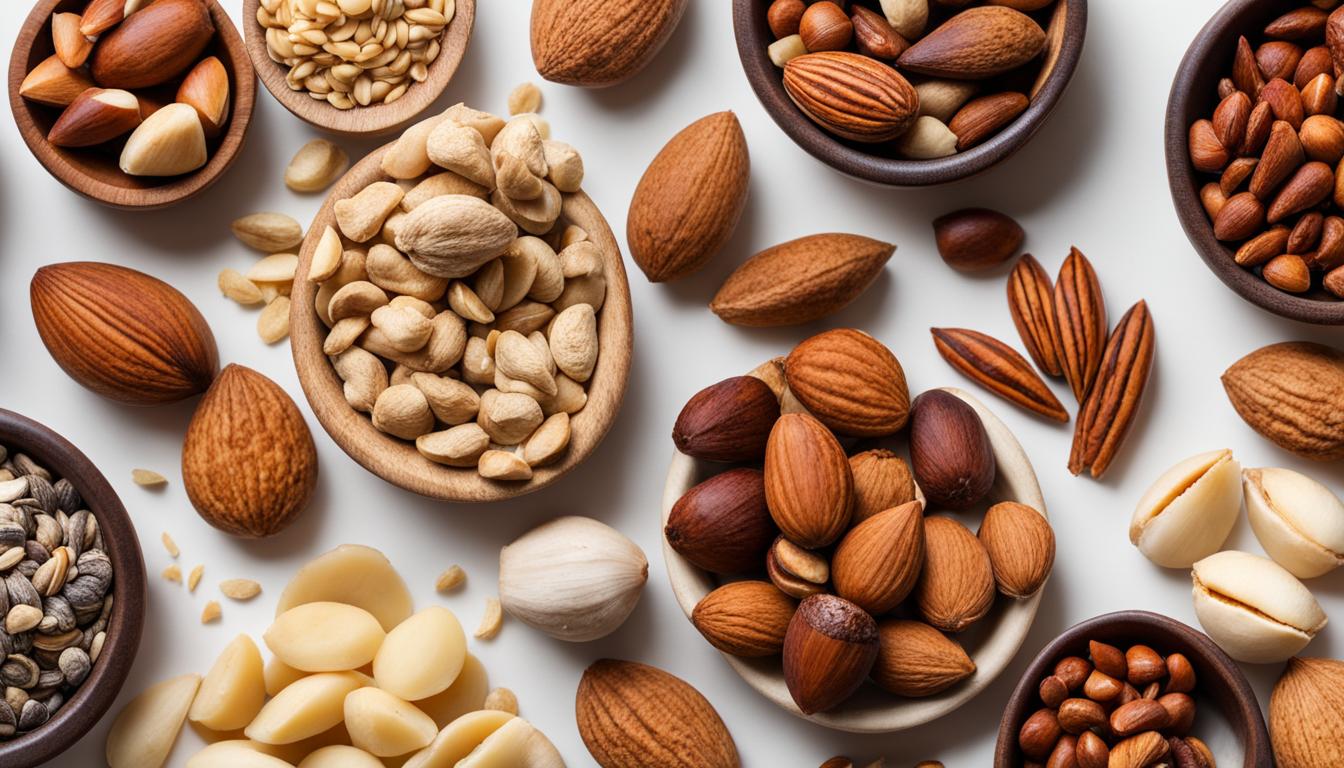
Understanding Carbs and Fats in Nuts
When following a ketogenic diet, it’s crucial to have a good understanding of the macronutrient composition of the foods you consume. Nuts, although a popular snack choice among keto enthusiasts, contain varying amounts of carbohydrates and fats that can impact ketosis and caloric intake management.
The Role of Nuts in Ketosis
Nuts play an important role in supporting ketosis, the metabolic state in which the body burns fat for fuel instead of carbohydrates. While high in fats, nuts are generally low in carbohydrates, making them a valuable addition to a keto diet. The consumption of nuts can help maintain the body’s fat-burning mode and sustain energy levels throughout the day.

Navigating Caloric Intake with Nuts on Keto
Although nuts can contribute to ketosis, their high caloric density requires careful monitoring to stay within daily caloric goals. Counting calories on a keto diet is essential for weight management and maintaining the desired state of ketosis.
To effectively manage caloric intake when including nuts in your ketogenic meal plan, consider the following tips:
- Be mindful of portion sizes: While nuts are nutrient-dense, they can be easy to overeat due to their small size and delicious taste. Measure out appropriate portions to avoid consuming excess calories.
- Incorporate nuts strategically: Instead of using nuts as a primary snack option, consider using them as an ingredient in meals or as a topping for salads and other dishes. This way, you can enjoy the flavor and benefits of nuts without excessive caloric intake.
- Balance your macronutrients: When planning your meals, ensure that you account for the fats and protein in nuts when calculating your overall macronutrient ratios for the day. This will help you maintain the desired balance and achieve your keto goals.
By understanding the carb and fat content in nuts and managing their caloric intake, individuals on a keto diet can enjoy the nutritional benefits of nuts while staying on track with their dietary goals.
Evaluating Nutritional Profiles of Different Nuts
When following a keto diet, it’s crucial to understand the nutritional profiles of the nuts you consume. Each type of nut offers a unique combination of macronutrients and micronutrients, making it essential to make informed choices. In this section, we will explore the macronutrient content, micronutrient composition, and vitamins and minerals found in various nuts.
Let’s start by comparing the macronutrient content of different nuts. While nuts are generally low in carbohydrates, the specific amounts can vary. For example, almonds and pistachios contain relatively fewer carbs compared to cashews and chestnuts. On the other hand, macadamia nuts and pecans are among the lowest in carbohydrate content.
When it comes to fats, most nuts are naturally high in healthy fats, making them an ideal choice for a keto diet. Walnuts and pecans are particularly rich in omega-3 fatty acids, which have numerous health benefits, including reducing inflammation and promoting heart health. On the other hand, Brazil nuts are a great source of selenium, an essential mineral with antioxidant properties.
In addition to macronutrients, nuts also provide an array of micronutrients that contribute to overall health. For example, almonds are a fantastic source of vitamin E, while cashews offer a good amount of zinc. Brazil nuts are rich in selenium, which plays a vital role in thyroid function and immunity. Walnuts, in particular, are packed with antioxidants and healthy fats, offering numerous health benefits.
By evaluating the nutritional profiles of different nuts, you can make well-informed choices that align with your dietary goals. Understanding the macronutrient and micronutrient content, as well as the vitamins and minerals they provide, will allow you to create a balanced and varied keto meal plan.
Best Nuts for Keto Diet: Your Go-To List
If you’re following a ketogenic diet, incorporating nuts into your meal plan can provide a delicious and satisfying way to boost your fat intake while keeping carbs in check. To help you make the best choices, here are some of the top nuts to include in a keto diet:
- Almonds: Almonds are a popular choice for keto enthusiasts due to their low carb content and high monounsaturated fat content. They are also a good source of vitamin E and magnesium.
- Pecans: Pecans are rich in healthy fats and have the lowest net carb count among nuts. They are packed with fiber and provide essential minerals like zinc and manganese.
- Macadamia Nuts: Macadamia nuts are the fattiest nuts, making them an ideal choice for keto. They contain high levels of monounsaturated fats and are rich in nutrients like vitamin B1 and manganese.
- Walnuts: Walnuts are a good source of omega-3 fatty acids and provide a decent amount of protein. They are also rich in antioxidants and have a lower carb content compared to other nuts.
- Hazelnuts: Hazelnuts are known for their rich flavor profile and are low in carbs. They are a good source of vitamin E and provide heart-healthy monounsaturated fats.
- Brazil Nuts: Brazil nuts are high in healthy fats and offer a good source of selenium, a mineral that plays a crucial role in thyroid function and immune health.
Incorporating these nuts into your keto diet can provide a variety of flavors, textures, and essential nutrients to support your overall health and well-being. Remember to enjoy them in moderation as part of a balanced meal plan.

Incorporating Nuts into Your Keto Meal Plan
Portion Control and Frequency
When incorporating nuts into your keto meal plan, it’s important to practice portion control and monitor your nut consumption frequency. While nuts are nutritious and keto-friendly, they are also calorie-dense and can easily contribute to exceeding your daily caloric goals if not consumed in moderation.
So, how many nuts should you eat on keto? The answer depends on your personal caloric needs and the specific nut you choose. Different nuts have varying macronutrient profiles, so it’s crucial to be mindful of the net carbs and fat content of the specific nut you’re consuming to stay within your desired daily macronutrient ratios.
To manage portion sizes effectively, consider measuring your nuts before consuming them. For example, a serving size of almonds is typically around 1 ounce or 23 almonds. This guideline can be a helpful reference to prevent overconsumption and ensure you’re getting the right amount of nuts for your keto diet.
Recipe Ideas and Pairing Suggestions
Incorporating nuts into your keto meal plan doesn’t have to be boring and repetitive. There are plenty of creative and delicious recipe ideas that feature nuts and pair well with other keto-friendly foods. These recipes not only add variety and flavor to your meals but also provide essential nutrients like healthy fats and proteins.
Here are a few recipe ideas and pairing suggestions to inspire you:
- Almond-crusted chicken tenders with a side of roasted broccoli
- Walnut and goat cheese salad with mixed greens and balsamic vinaigrette
- Pecan-crusted salmon served with cauliflower rice
- Peanut butter chia seed pudding topped with sliced strawberries
Feel free to experiment with different nuts and combinations to find your favorite nut-infused keto recipes. Remember to consider the net carb content of the nuts in your recipes to ensure they fit within your daily carb limit for ketosis.
Storing Nuts to Maintain Freshness
Properly storing nuts is essential for maintaining their freshness and preventing spoilage. The last thing you want is rancid or stale nuts ruining your keto meal plan. Follow these tips to store your nuts correctly:
- Choose airtight containers: Transfer your nuts to airtight containers or resealable bags to protect them from exposure to air, moisture, and other contaminants.
- Keep them cool: Store your nuts in a cool and dry place, such as a pantry or refrigerator, to preserve their quality and prevent them from going rancid.
- Avoid direct sunlight: Sunlight can degrade the quality of nuts, so store them away from direct sunlight or any sources of heat.
- Monitor shelf life: Nuts have a limited shelf life, and their freshness can deteriorate over time. Check the expiration date on the packaging and consume them before they expire for the best taste and quality.
By following these storage practices, you can ensure that your nuts remain fresh and delicious, ready to be enjoyed as a part of your keto meal plan.
Understanding Net Carbs in Nuts
In order to successfully follow a keto diet, it is essential to understand the concept of net carbs and their significance when it comes to consuming nuts. Net carbs are calculated by subtracting the amount of fiber and sugar alcohols from the total carbohydrate content of a food. This calculation allows individuals to determine the impact of carbohydrates on their body’s state of ketosis.
Calculating Net Carbs for Keto Success
Calculating net carbs in nuts is a straightforward process that involves a few simple steps. To determine the net carbs in a serving of nuts, follow these guidelines:
- Refer to the nutrition label for the total carbohydrate content per serving of nuts.
- Identify the amount of dietary fiber and sugar alcohols present in the nuts.
- Subtract the total grams of fiber and sugar alcohols from the total carbohydrate content to obtain the net carbs.
By calculating net carbs, you can make informed decisions about the nuts you consume, ensuring that you stay within your daily carbohydrate limit while still enjoying the health benefits of these delicious snacks.
The Difference Between Total and Net Carbs
It is important to distinguish between total carbs and net carbs when following a ketogenic diet. While total carbs represent the overall amount of carbohydrates in a food, net carbs provide a more accurate measure of their impact on ketosis. Net carbs exclude fiber and sugar alcohols, as these components have minimal impact on blood sugar levels and do not hinder the body’s transition into a state of ketosis.
Avoiding Common Mistakes
When it comes to calculating net carbs in nuts, there are some common mistakes that individuals should be aware of:
- Misunderstanding ingredient labels: Make sure to carefully read and understand the nutrition labels on nut packages. Pay attention to the serving size, total carbohydrate content, and fiber content to obtain accurate net carb calculations.
- Forgetting about sugar alcohols: Sugar alcohols, such as erythritol or xylitol, are commonly used in sugar-free nut products. These sugar substitutes can lower the net carb count, so remember to deduct them from the total carbohydrate content.
- Overlooking portion sizes: Nuts are calorie-dense, and even low-carb varieties can add up in terms of calories. Be mindful of portion sizes to avoid consuming excess calories and negatively impacting your keto goals.
By understanding these common mistakes and taking the necessary precautions, you can ensure accurate net carb calculations and make the most of nuts in your ketogenic diet.

Healthy Nuts for Keto Snacking
When it comes to satisfying your snack cravings on a keto diet, nuts are a smart and delicious choice. Packed with healthy fats, protein, and essential nutrients, nuts are a convenient and low-carb option for on-the-go snacking. They provide a satisfying crunch and can be enjoyed in various ways, making them an excellent addition to your keto-friendly snack options.
Here are some healthy nuts that are perfect for keto snacking:
- Almonds: Almonds are a popular choice for keto dieters, as they are low in net carbs and high in healthy fats. They are also rich in vitamin E, magnesium, and fiber, making them a nutritious and filling snack.
- Pecans: Pecans are another keto-friendly nut option, known for their buttery flavor and richness. They are low in net carbs and high in monounsaturated fats, which are beneficial for heart health. Pecans are also a good source of vitamin E and antioxidants.
- Macadamia Nuts: Macadamia nuts are one of the lowest-carb nuts available, making them an excellent choice for keto snacking. They are high in healthy fats, particularly monounsaturated fats, which can help promote satiety and support heart health.
- Walnuts: Walnuts are a nutrient-dense nut, rich in omega-3 fatty acids, which are essential for brain health. They also contain antioxidants and fiber, making them a nourishing snack option for keto dieters.
- Hazelnuts: Hazelnuts are not only delicious but also offer health benefits. They are low in net carbs and high in monounsaturated fats, which can help reduce the risk of heart disease. Hazelnuts are also a good source of vitamin E and manganese.
These nuts can be enjoyed on their own as a quick and easy snack or incorporated into various recipes to add texture and flavor. Whether you’re craving something sweet or savory, these healthy nuts provide a satisfying option for keto snacking.
| Nuts | Net Carbs per 1 oz (28g) | Healthy Fats per 1 oz (28g) | Protein per 1 oz (28g) |
|---|---|---|---|
| Almonds | 2.6g | 14g | 6g |
| Pecans | 1.2g | 20.1g | 2.6g |
| Macadamia Nuts | 1.5g | 21.4g | 2.2g |
| Walnuts | 2g | 18.5g | 4.3g |
| Hazelnuts | 2g | 17g | 4.2g |
These nutritional values are approximate and may vary slightly depending on the specific brand or variety of nuts. It’s always a good idea to check the packaging for more accurate information.
Remember to practice portion control when snacking on nuts, as they can be calorie-dense. Stick to a serving size of about 1 ounce (28 grams) and include them as part of a well-balanced keto meal plan. Enjoy the crunch and flavor of these healthy nuts while maintaining your keto lifestyle.
Conclusion
In conclusion, choosing the right nuts for a keto diet can play a crucial role in your overall success. By understanding the macronutrient composition of nuts, particularly the carbs and fats, you can make informed choices that support your ketosis goals.
Key takeaways from this article include the importance of managing your caloric intake while incorporating nuts into your keto meal plan. Nuts are nutrient-dense and can add flavor and variety to your diet, but it’s essential to practice portion control to ensure you stay within your daily caloric goals.
When it comes to the best nuts for a keto diet, options such as almonds, pecans, and macadamia nuts are rich in healthy fats and have low net carb counts. These nuts can be enjoyed as a snack or incorporated into recipes, providing you with essential nutrients and satiety.
Lastly, understanding net carbs is crucial for successfully incorporating nuts into your keto diet. By calculating net carbs and considering them instead of total carbs, you can better manage your carbohydrate intake and stay in ketosis. Avoid common mistakes and misconceptions by ensuring accurate net carb calculations.
By following these guidelines and incorporating the right nuts into your keto meal plan, you can enjoy the benefits of a balanced and satisfying diet while achieving your desired ketogenic state.
FAQ
What role do carbs and fats play in nuts?
Nuts contain varying amounts of carbohydrates and fats. While many nuts are low in carbohydrates, they are typically high in healthy fats, such as monounsaturated and polyunsaturated fats.
How do nuts contribute to ketosis?
Nuts can support ketosis by providing a source of healthy fats and low-carbohydrate options. Their high-fat content can help maintain ketosis by promoting the production and utilization of ketones for energy.
Is it important to manage caloric intake while consuming nuts on a keto diet?
Yes, it is crucial to monitor caloric intake as nuts can be calorie-dense. While they are nutritious, consuming excessive calories from nuts may hinder weight loss goals on a keto diet. It’s important to include nuts mindfully and track overall caloric intake.
What are the net carbs in nuts?
Net carbs are calculated by subtracting dietary fiber and sugar alcohols from the total carbohydrates in nuts. Net carbs are relevant in a keto diet, as they have a minimal impact on blood sugar levels and ketosis.
Which nuts are best for a keto diet?
The best nuts for a keto diet are those with a low net carb content and high healthy fat content. Some examples include macadamia nuts, pecans, Brazil nuts, and walnuts.
How can nuts be incorporated into a keto meal plan?
Nuts can be included in a keto meal plan as a snack, a topping for salads or yogurt, or as an ingredient in keto recipes. They add flavor, texture, and nutritional value to meals and snacks.
How should nuts be stored to maintain freshness?
To maintain freshness, it is best to store nuts in airtight containers in a cool, dry place, such as a pantry or refrigerator. This helps prevent them from becoming rancid or losing their flavor.
How do you calculate net carbs in nuts?
To calculate net carbs in nuts, subtract the total dietary fiber and sugar alcohols from the total carbohydrate content. The resulting number represents the net carbs.
What is the difference between total carbs and net carbs?
Total carbs include all forms of carbohydrates present in nuts, including dietary fiber and sugar alcohols. Net carbs, on the other hand, represent the carbohydrates that have an impact on blood sugar levels and ketosis, as they are subtracted from the total carbs.
What are some healthy nuts for keto snacking?
Healthy nuts for keto snacking include almonds, walnuts, pistachios, and macadamia nuts. They are low in net carbs, high in healthy fats, and provide essential nutrients.





Leave a Reply